The Big C : Cancer misinformation

great food

Cancer is the big scare everywhere across society and the scare gets bigger the older one gets.  Depending on  who you listen to, between 30 and 60% of cancers could be prevented by diet and lifestyle, that is : don’t smoke

: don’t drink too much alcohol, preferably none, but at least no more than a couple of drinks/day  with  two days no drinking per week

: exercise twenty to thirty minutes/day where your heart rate is elevated.  Just brisk walking will do it, but not wandering around the office for a couple of minutes at a time!

: reduce  intake of meat, dairy and fish as far as you can manage

: increase intake of whole fruit, vegetables, whole grains and beans as far as you can manage

: don’t eat junk or processed food, that is take away or food like substances that make up most of the aisles in the supermarket.  Processed food to me is anything made in a factory, with lots of ingredients.

: maintain a healthy body weight: that is a Body Mass Index of 25 or less.  This will probably seem thin to you as our perceptions of what is normal body weight is growing as the size of the  waistline of most people is growing.  There are attempts to sugarcoat being overweight as being ok.   The bottom line is on a population basis, the more weight we carry, the greater our risk of getting cancer (and diabetes and heart disease and stroke and respiratory  illness and arthritis and other joint problems and so on!)

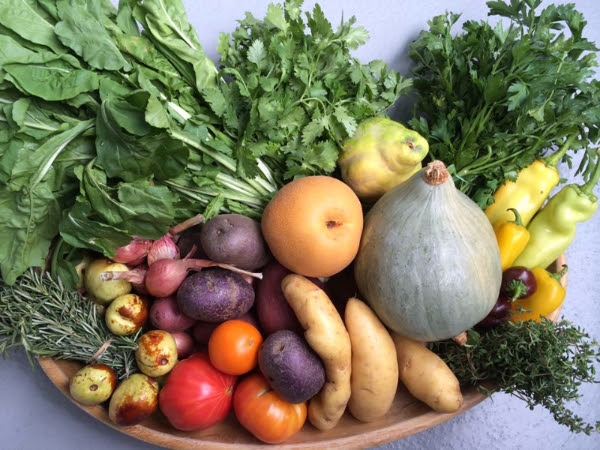
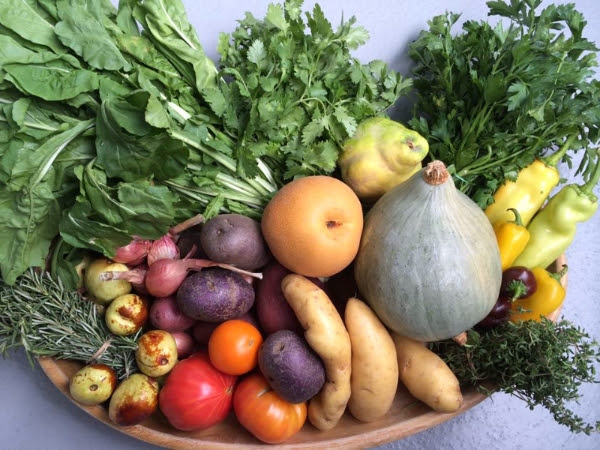
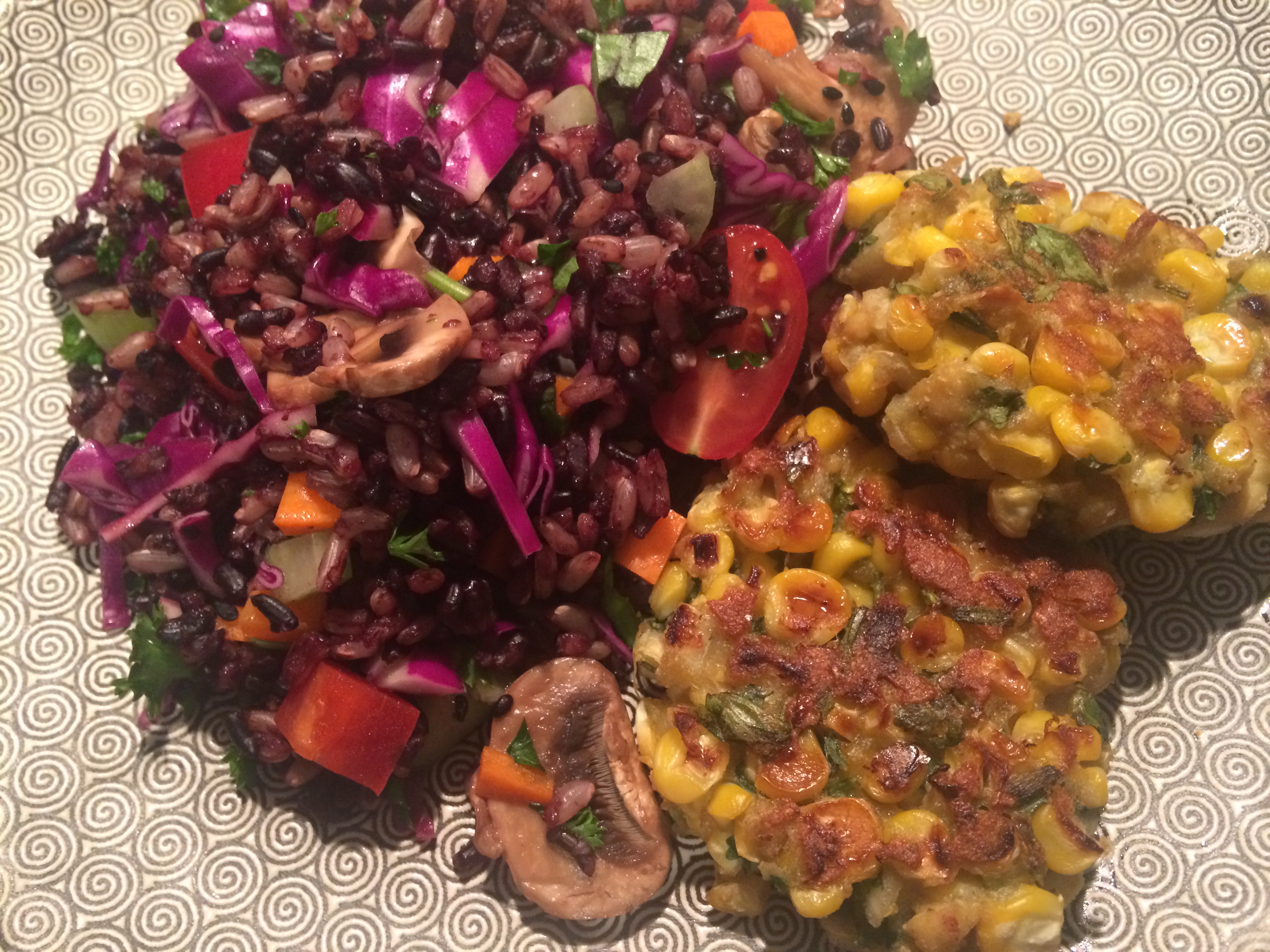
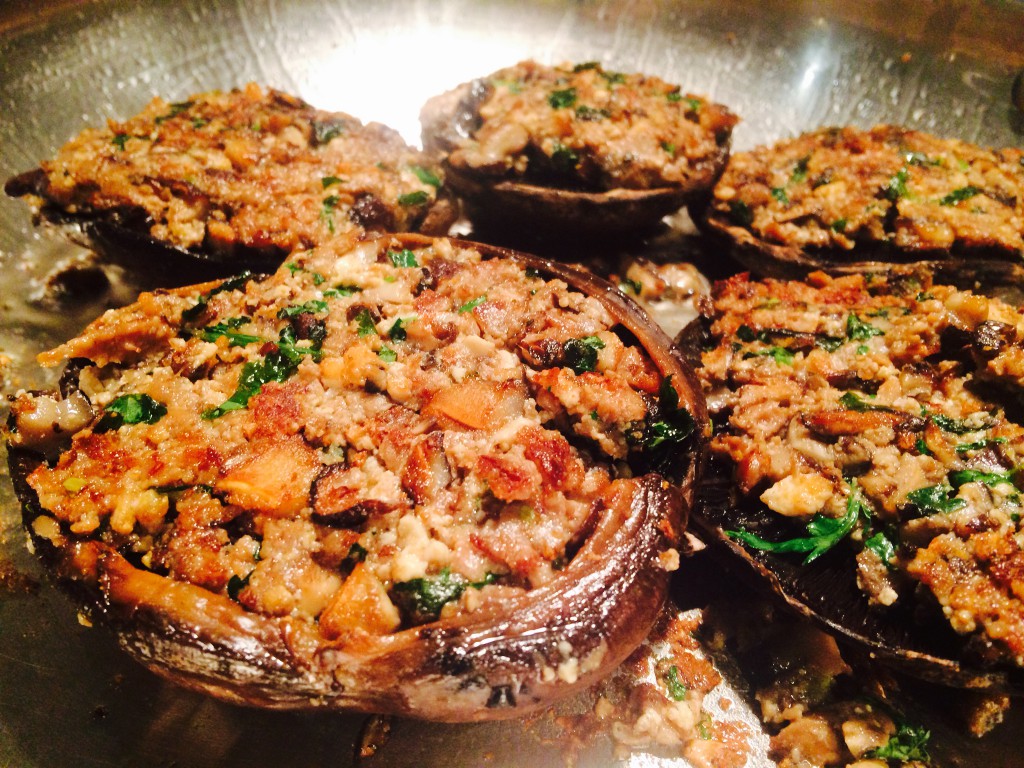
The great thing is if we change our diet to a diet that decreases our chances of getting cancer we get to eat food that looks like this!
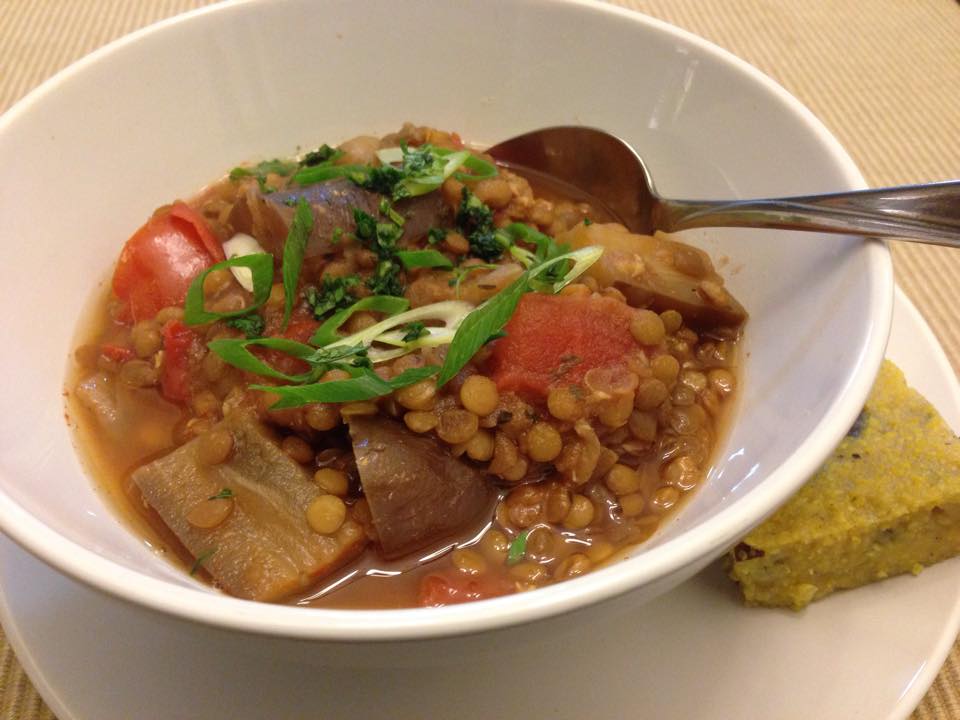
lentil eggplant stew

Rather than foods that look like this:
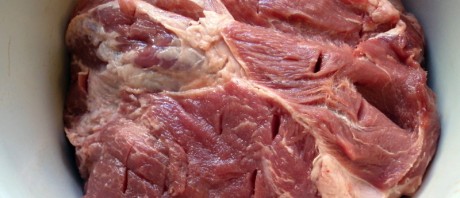
NF-Apr25-Bugs-Drugs-in-Pork-Yersinia-and-Ractopamine-460x198

And we know that besides tasting great every mouthful of the top picture is doing us good and every mouthful of the bottom picture is increasing our chance of getting sick, reducing our quality of life and dying before we should.

The American Institute of Cancer Research ten recommendations for cancer prevention are:

Recommendations for Cancer Prevention

Second Expert Report
Publication Date: November 2007

These ten recommendations for cancer prevention are drawn from the WCRF/AICR Second Expert Report. Each recommendation links to more details. (go to the American Insitute of Cancer Research to be able to get the links)

  1. Be as lean as possible without becoming underweight.
  2. Be physically active for at least 30 minutes every day. Limit sedentary habits.
  3. Avoid sugary drinks. Limit consumption of energy-dense foods.
  4. Eat more of a variety of vegetables, fruits, whole grains and legumes such as beans.
  5. Limit consumption of red meats (such as beef, pork and lamb) and avoid processed meats.
  6. If consumed at all, limit alcoholic drinks to 2 for men and 1 for women a day.
  7. Limit consumption of salty foods and foods processed with salt (sodium).
  8. Don’t use supplements to protect against cancer.
  9. * It is best for mothers to breastfeed exclusively for up to 6 months and then add other liquids and foods.
  10. * After treatment, cancer survivors should follow the recommendations for cancer prevention.

*Special Population Recommendations

This is not the advice of some crazed fringe vegan but mainstream health promotion.  Why are they saying this?  Because the science is saying it and has been for 30 – 50 years.    All that is happening now is that the mechanisms as to how eating more plants and less animal products actually work, in terms of reducing our risk of cancer and other diseases is becoming clearer.   This is where things can get very confusing and their can be claim and counter claim.  As Dr John McDougall says, ” what do we care about the intricacies of the mechanism or the pathway?  Tell us what works”    One of Dr McDougall’s favourite sayings is, “Its the food!”

There is agreement on these broad mechanisms in relation to why eating animals  and animals products increased our risk of cancer and why eating more whole plants decreases our risk of getting cancer  which may be of interest:

  • animal foods increase inflammation in our body and plant foods decrease inflammation.  We are all producing cancer cells all of the time, but for them to grow into a problem, these cells need nutrients and therefore a blood supply.  One of the functions of inflammation is to bring a supply of blood.  We want to have the lowest level of inflammation in our bodies consistent with good health
  • we have heard a lot about protein over our life.  One of the avenues being explored for treating and preventing cancer is the  restriction of two animo acids which are found in high concentrations in animal products and in lower concentrations in plants.  These animo acids are methionine and leucine.
  • Animal products have hormones in them, the same hormones we have as we are animals.  These hormones can promote growth and cancer as we know is runaway growth of cells.  Two hormones implicated in this are Insulin growth factor 1 (IGF-1) and  oestrogen.  This is where milk,  cheese and yoghurt are such a problem as dairy cows are kept permanently pregnant to increase their milk production meaning there is elevated levels of oestrogen in the milk.  Increased oestrogen contributes greatly to increased risk of breast cancer.

MISINFORMATION

Instead of the clear and simple steps that anyone can take as outlined above that are set out by the American Institute of Cancer Research the information in media here in Australia, in relation to cancer consists of misinformation.  The main messages are:

  • screening (this link is to a brilliant interview with Peter Gotzschke founder and director of the Cochrane Collaboration, which is the most respected voice in relation to best practice in the medical field-if you don’t look at another link in this blog, look at this one) is crucial-notice it is not one of the preventative measures listed by AICR.  It could be argued that screening is not prevention but early detection, but screening is heavily promoted in Australia as prevention of dying of cancer.    There is a  growing appreciation that for many cancers screening does more harm than good (anxiety, false positives, finding cancers that are not a problem, unnecessary treatments, complications and known negative outcomes from treatment)
  • Cancer is  a mystery but a solution is just around the corner-it is a long corner- it has been coming for 20-30 years and we still haven’t got around it yet!
  • genetics will solve the problem.  The genetic pathways are not that specific and there are multiple associations with different parts of genetic material, making targetting pathways not realistic.  Our genetic instructions don’t work like the water supply to our house, where you can turn off the tap or put a stopper in a pipe and that’s it- no more water.   The genetics, the expression of those genes and the multiple pathways of that expression, mean that there are multiple ways to get to the same destination.  This multiplicity and complexity is not well understood even by the experts!
  • drugs are the answer and  the next big breakthrough with a drug is just around the corner

This misinformation leaves people feeling frightened and powerless and a bit like the song, Cancer by Joe Jackson, with the lyric, “everything gives you cancer, there’s no cure, there’s no answer”.

This misinformation leaves people thinking, “why do anything as there is nothing you can do”.    In fact there is plenty you can do.  A cancer diagnosis is not just bad luck,  there is a 30-60% chance it is a result of misinformation.

Cigarette smoking is an example of  what can be achieved by governments through price and  information campaigns.    Where is the campaign around red meat consumption?  Where is the  campaign around processed meat consumption?  Where is the campaign around dairy?

The health and well being of the population doesn’t matter, well at least not more than votes!
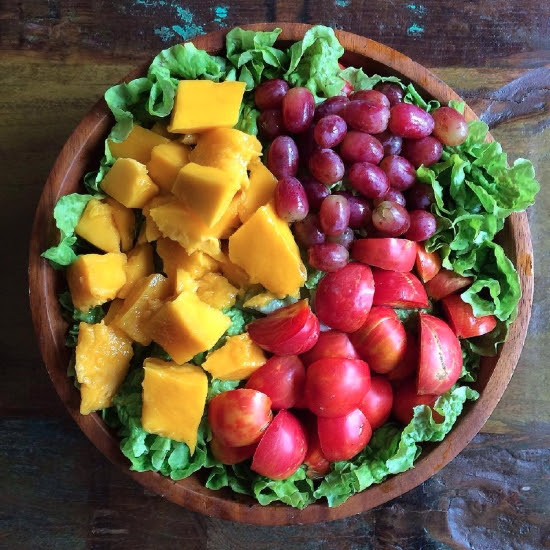
fruit

Is medical care palliative care?

IS MEDICAL CARE PALLIATIVE CARE?

The  definition of palliative care in Oxford dictionary.

“Relieving or soothing the symptoms of a disease or disorder without effecting a cure.”

This is essentially what modern medicine is: a misguided attempt to “relieve orsoothe the symptoms of a disease or disorder without affecting a cure”. Why misguided?   Misguided, as medical treatment doesn’t go to the cause of the problem: the food we eat.   Misguided, as it is obvious that erecting a fence at the top of the cliff, is better than having teams of ambulances and paramedics at the bottom to take away and treat the injured, who are repeatedly falling over the cliff.  Even better than the fence, of course, is promoting our sense of balance and care for our life, so that we don’t fall over the cliff.

For us to feel a sense of balance and care for our life, we have to feel that we have power to influence what is going to happen. Unfortunately, more and more of our life is being taken into, the realm of experts. I have seen this within my own field of social work, where like all fields there is the imperative to follow ‘best practice’.  Unfortunately best practice in my field, just means saying, ” I am practicing motivational interviewing and cognitive behaviour therapy.”   Putting aside the question as to whether there is any evidence, that these therapeutic models are any more effective than any others, there is no need within my field, to establish proficiency or training in these models, to make the claim that the practitioner is engaging in best practice.  I would contend, that there is no evidence that these models are any more effective than others, due to the problem of research bias. The more something is researched, the more it gets researched, in a self perpetuating cycle. The other thing that has been happening in social work and many fields, is the standardised, technological response. This is elevating the social worker to the position of expert, who diagnoses the problem and applies a dose related intervention. This sounds a lot like the medical model doesn’t it! This is because lower status professions attempt to gain ground by mimicking higher status professions, like medicine.

On the Health Report, on Radio National, I hear discussions about ‘shared care’. This is the way medicine should be done and I am sure many medical professionals are doing this, but unfortunately there are many barriers from the patient’s side and the Dr’s side. Shared care is about the Dr or health professional sharing power and information and having an open discussion about the costs and benefits of each course of action, taking into account the patients particular values and goals.

My experience of Drs is thankfully limited, as fortunately through genes, good management and probably good luck as well, I don’t get sick.  Unfortunately, even from my limited experience, I have examples of the opposite of shared care. Thirty odd years ago, after my wife died of a heart attack, I naturally had a heightened concern about heart attack!   I spoke to my Dr about the Pritikin Diet, a diet which has now been proven, that if followed, would reduce heart attack dramatically. His response? “That is too extreme, no-one will ever stick to it”. This attitude continues to be one of the reasons large numbers of people die unnecessarily.   When asked why they don’t talk to patients about eating less animal products and junk food and more beans and vegetables, they often say, “people won’t do it”.    Yet Drs will talk to people about giving up smoking and cutting back their alcohol.   Somehow food is a no go zone.  One of the “pleasures” of life that can’t be messed with.

In relation to my Dr thirty years ago, saying people won’t stick to it, I have been sticking to it for the last 12 years! The phrase “sticking to it” is actually unhelpful, as it implies it is something that has to be endured. To the contrary, I have found it highly enjoyable, for the same reasons many other people, also find it highly enjoyable.

That is, it not just that I don’t get sick, I feel well: high energy and feel alive. I am making the diet more ‘extreme’ all of the while. As mentioned in a previous blog, I have recently dropped oil of any kind from what I eat.

At first sight, what I eat would seem extreme to many people.   As Dr Caldwell Esseltyn says, “how extreme is it to have your chest sawn open?”, which is the other likely option. Heart disease can be prevented and reversed with a whole foods plant based diet. 

veggies

My recent experience on the periphery of my mother in laws journey with lung cancer, is that there were examples of shared care and there were examples of more traditional medical care: that is we know what’s best for you, you will be the passive recipient of our treatment and we won’t talk to you about the downsides of any treatment that we decide to give you.

This is the other reason that medical care as palliative care is misguided: there are always downsides to any treatment. There is also a general progression: treatment leads to more treatment, drugs lead to more drugs.   In an ideal world, we would be active consumers of medical care, like we are in relation to other products and services.

When we look at the majority of medical treatment it fits the palliative picture.

Almost any time we take a drug/medication we are in palliative territory, with the major exception that I can think of, being anti-biotics.   With anti-biotics, we take a drug, to attack the bacteria, which is causing the illness. Pretty straightforward, except for thinking about the health of our immune system (which can be greatly improved by eating plants, exercise and attitude) and why on this particular occasion, it was not able to ward off the bacteria causing the disease.   This is not even thinking about the rush we often have, to take anti-biotics, when we don’t actually need them, thereby weakening our immune system.   Factory farming is already a big enough threat in terms of infectious diseases, by the use of anti-biotics without ourselves also participating in increasing the risk. (taking anti-biotics unnecessarily-Health report, Radio National) weakens the immune system by wiping out the good bacteria in our gut. These bacteria produce chemicals which boost our immune system.

Standard medical treatments which fit the palliative model are:

Drugs for blood pressure/cholesterol

Drugs for diabetes

Anti-depressants and other mental health drugs

Drugs for rheumatoid and even osteo-arthritis

Drugs for digestive problems like acid reflux, constipation, irritable bowel syndrome, ulcerative diverticulits and so on

Drugs for auto-immune diseases such as Lupus and so on

We tend to think about palliative care as the care that we get at the end stage of life, the care that will ease our passing from this world. If we rely only on standard medical treatment and don’t address the causes of our illness, we are entering the end stage of our life. This may be at age 25, but it is still the end stage.   And just like when we think of palliative care now for those that are dying, as ever increasing medication, every increasing disability, with ever decreasing quality of life, so it will be for us, if we rely only on standard medical care. Of course there is a place for standard medical care, but expect true shared care, where we are in the driver’s seat of decisions about what treatments, we are going to have and we take responsibility for what steps we are going to take to prevent, reverse or manage our illness.

Many people have faith in the Dr, the drugs and the technology. It is good to look at the evidence and one way to do this, is to do what I have suggested before. Look around at the friends, family, workmates in your circle and see what is happening to them over time. Are they cured? Vital, energetic, alive?

The evidence from the research is clear, that the effectiveness of many of these drugs and even heart surgery is questionable, but the effectiveness of a whole foods plant based diet is unequivocal.   Add moderate exercise, even just daily walking for 30 – 60 minutes and we are in a good place.


we don’t need to add anything-we need to take stuff away

People are desparate to do something to help their health.  They  know they  need to do something and  at some level they know it is something to do with what we put in our bodies-to do with the food.  So,  there are people at all different points on the spectrum adding things to their diet, in search of health.    The most common thing that people add is fish oil.  It has been promised to cure everything.   A good rule of thumb is the bigger the claims for any particular food or additive, the more expensive it is likely to be and the less use it is likely to be.    In fact, if people had real information about food and health, they could take all of the money they spend on supplements, vitamins and superfoods, buy organic and bank the rest!   Organic is definitely best. but non-organic non-processed whole foods are still great for you.  Often,  I am  too stingy to buy organic (which is crazy) or where I live there isn’t anything fresh, that is organic.  In a future blog, I am going to go into why plants are so good for us, as opposed to animals. It is a fascinating story about the immune systems of living things.  Every living thing is trying to rid itself of disease or attack from predators and when we eat plants, we reap the benefits of their efforts to do this.   Anyway,  that is a story for another day, but to give a small sneak preview, plants have to have very good immune systems as they can’t move!

veggies

Food is a package deal, not only a piece of broccoli for example, that has nutrients that work together in a synergistic manner, but our overall intake of a variety of food works synergistically(in other words the sum is bigger than the parts) to determine our health and well being.  Health and well being, does not come from adding  a supplement, vitamin or superfood.   I believe it is always important to remember that food, like pharmaceuticals, alternative health and Drs, is a business.  This doesn’t mean that there aren’t good and caring people in these industries, but it does mean, that what people want you to eat or take, reflects what they are making money out of.   If you go to a naturopath,  they will sell you  supplements.   If you go to a Dr, they are going to sell you tests, referrals to  other Drs, drugs or surgery.   This means having a critical, but open mind about what you are being told to do.  This even applies to such things as tests, as tests often lead to more invasive tests, discovering things that are not going to cause us any problem, that Drs want to treat, because they can.  These treatments are highly profitable for the Drs and often of questionable value for us.

Of course,  this is not an easy maze for us to get through as it is incredibly complicated and where can we get information we can trust.  There is some very good advice in this McDougall’s Moments about not taking our Drs (or any other advice for that matter) at face value.

In general, our diet in the west is a diet of excess, too much of certain nutrients, not that we are lacking something.   Essentially what we have too much of is, animal protein, fat, and refined carbohydrates or sugar from processed foods.  Protein, fat and carbohydrates are mainly what food is made up of.  So, to get health we need to remove stuff from our diet, not add stuff.   The lure of the idea of adding something like fish oil, vitamins and various other supplements is that somehow we can buy good health,  without having to change!  We don’t have to give up the tastes that we currently like, we can have the quick fix, just by paying some money and go on with our current pleasures.   Health can’t be bought like ‘ice'(methamphetamine drug) or icecream.   These two are both immediate pleasures that can be bought and both play with the pleasure pathways in the brain, by affecting dopamine, a neurotransmitter.   While ‘ice’ is undoubtedly much more dangerous in this regard,  than icecream, eating fatty and sugary foods (meaning primarily takeaway and processed foods) cand lead to addiction.  Physical addiction is the process whereby the body develops a tolerance to a substance.  Tolerance means we need more of the substance to have the same effect.  When our bodies evolved, fat and sugar were in short supply, as opposed to now, where they are in oversupply.  Fat and sugar are very valuable to us: fat is stored energy and sugar is immediately available energy.   Consequently,  we are hardwired to naturally seek these substances.   There is a reward to us, in acquiring them and that reward is an increase in the release of dopamine in the brain-one of the functions of which is the experience of pleasure.   In general,  in hunter gatherer societies, fat and sugar were in short supply and required hard work to get.  Dopamine was the reward for the effort.   Today in a  changed environment, where fat and sugar are plentiful, this evolutionary adaptation works against us.  We are lured into seeking more and more fat and sugar to get the same effect, due to the development of tolerance.  This is one of the major pathways to being overweight and the road to chronic ilness and early death.

Have you ever heard of anyone being sick as they are protein deficient or fat deficient?  The answer is no.   What you would find amongst  your friends,  family and work colleagues who are sick, is that they have too much protein and fat and  too much of refined carbohydrates(junk and processed food-you know biscuits, potato chips, lollies,  chocolates, soft drinks, orange juice, take away food, most bread).

The answer to getting our health back, is not by adding expensive supplements to our diet on top of the excess calories, animal protein, refined  carbohydrate and fat we are already eating.  It is by eating whole plant foods.  That way, we will get the nutrients and fibre that we truly are missing under the SAD (standard Australian diet).    Anti-oxidants are found in greatest abundance in plants, particularly fruit and vegetables.  They are necessary for immune system function and to slow the ageing process.  Fibre only  found in plants, is essential for healthy bacteria in the gut ( this is an important reason not to take anti-biotics as a precaution, but only if we are truly sick with an infection, as our good bacteria is negatively effected.)   Healthy gut bacteria are related to every aspect of our health, including our mental health!  New evidence has just been released furthering the work which relates the health of our gut bacteria, to heart attack and stroke.  Fibre is crucial here, as some of it is indigestible and some of it hard to digest.  Therefore fibre  supports different colonies of bacteria, than other parts of food.

I believe the best way to make a change of diet is to make a big change at once.  As discussed in previous blogs, take the PCRM  21 day kickstart.  If you don’t like it, then you have only lost 21 days!  All the food will still be there, if you want to go back to it.  Probably, you will notice positive changes and not want to go back.  These changes could be weight loss, drop in blood sugar, blood pressure and cholesterol.  Or simply feeling lighter and more energetic or sleeping better.

However,  even small changes can make a difference.  My daughter developed adult onset asthma and the Drs told her it was the pollen and grass in spring and that it was necessary for her to take a corticosteroid daily as a preventative(all year round) with Ventalin for an attack.  She cut out milk from her diet and reduced her intake of cheese, didn’t take the corticosteroid and her asthma has ceased over the last year.

NF-Mar11-Why-You-Should-Eat-More-Beans

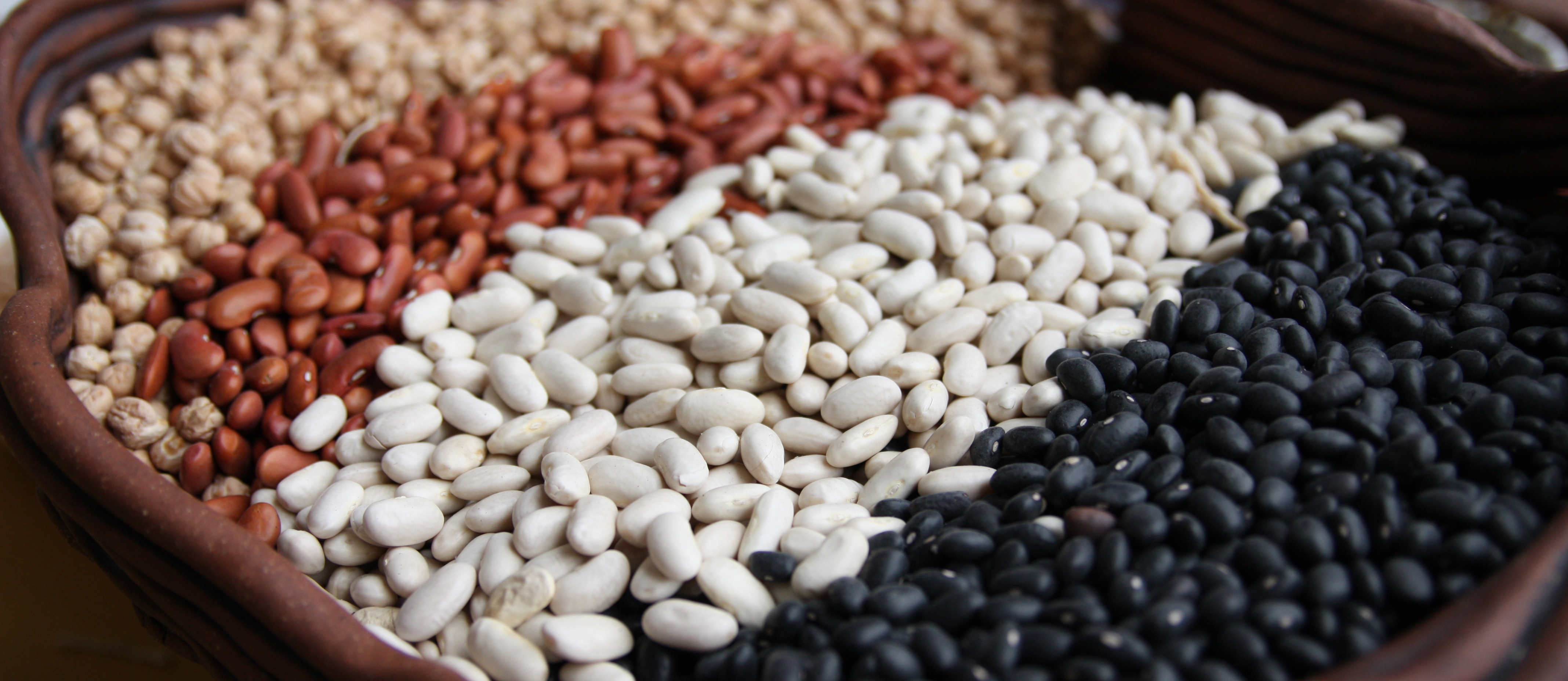
If small changes suit you better, leave dairy out of your diet or add beans instead of meat, twice per week or stop takeaway or processed food.

Yours in health

Gary


Don’t be normal!

This is kind of easy for me as I have always been the sort of person who prefers to swim against the current.  For example,  in high school I railed against wearing the school uniform.  Being this kind of person has had its benefits and costs over the years.   When it comes to food in 2014 though,  I am definetly in the right place!

Being normal in relation to what you eat in Australia in 2014, means you will end up sick and overweight or alternatively, just sick and not overweight.   It is normal in Australia to be overweight or obese.  Over 60% of South Australians, the state where I live in Australia,  are in that category.   Normal is just what most people in any environment/culture do,  so by that measure it is normal to be overweight.   It is normal to take a tablet everyday, supposedly for your health: either a prescription drug or alternative medicine tablet such as  vitamins.   This is despite the fact that the prescription drug often is only ameliorating symptons or risk factors for disease not addressing the cause of the problem, which is the food we eat.  Consequently we go on causing the problem three times per day,  365 days per year.   Taking vitamins is irresponsibly promoted by ex-sports stars in advertisements,  even though they have found in studies to be a waste of money or bad for our health.

People are overweight and/or sick because they are eating normally, just like everyone else.  This overweight thing and accompanying problems like metabolic syndrome and diabetes epidemics have happened in the last 30 years.  So,  what is now normal, that wasn’t 30 years ago?   What would it be good for your health to rebel against, to take an abnormal stance on?  Well, this list would be a good start.

  • eat no takeaway food, even the so called ‘healthy’ options-leave the fat, oil and sugar behind
  • avoid most of the aisles in the supermarket.  You know the ones with the chips, soft drinks, sauces, processed meals and so on- leave the fat, oil and sugar behind.   Rule of thumb: don’t eat anything that comes from a factory
  • leave the chicken.  The chicken we eat today is very different from the chicken we ate thirty years ago.  Todays chicken  has much more fat in it(yes even skinless chicken is high in fat) due to factory farming and fast growth of chickens by growth hormones, anti-biotics and genetics.
  • leave the fish-this means leave the mercury and the PCB’s (carcinogenic compounds from plastic) as the sea is the ruibbish dump of the world
  • cook without oil
  • ignore the latest fad, to improve your health whether it is coconut oil, fish oil or your balance of omega3 to omega 6 fatty acids or whatever-leave the oil alone and just eat fresh and unprocessed whole food

Be abnormal and:

  • eat fresh food
  • prepare and cook it yourself
  • don’t snack on poison like biscuits, chocolate
  • don’t be fooled by ‘information’ that comes out telling us that the things we love are in fact health foods!  Things like chocolate and alcohol
  • leave the processed meat, which means leaving the nitrosamines which are carcinogenic
  • when you are at a function or gathering where food is provided see the food provided as poison, as that is what it will be.  It is something that will provide an ‘insult’ to your body and your body will have to detox from.
  • see an apple as a treat
  • enjoy food and the sense of well being we get physically from putting good fuel in to the body and the sense of well being we get psychologically, that we haven’t participated with cruelty and death by eating animals and animal products. (pay attention to the next slaughterhouse truck that passes you on the road).

As we embrace being abnormal, we embrace life, having the energy to live.  Living life normally in the environment and culture we are in at present, is living a life of gradual decline and decay-extended periods of sickness and disability.   Take a look around at your friends, family, workmates and people you see in social situations and see how healthy and vibrant they are or how chronically ill and disabled they are.

It is only recently normal to spend the last 20- 30 years of our life, chronically ill, disabled and taking multiple medications.  Some people will try and convince you, we are in this state as we are living longer  now and somehow it is a bonus to be in the decrepit state we find ourselves.   They will argue that previously in human history, people lived short and brutish lives.  This is not true.  The advent of agriculture actually decreased life expectancy for a period of time, as farming animals brought diseases to humans and reliance on crops and being sedentary brought food shortages.  The industrial revolution made things worse with overcrowding and rivers of sewerage.    People did live to old ages in hunter gatherer societies.

I have argued in previous blogs that our genetics are not our destiny, as the environment we subject our genes to,  greatly affects the expression of our genes, affecting very directly our health.    It is also true to say, that our genetic heritage is out of sync with the environment of our current culture.  In simple terms we weren’t designed to eat junk,  processed food, high in  fat and sugar, be physically inactive and face few physical stresses and spend hours/day in front of screens of various kinds.  We were designed to be physically very active, be out in the sun, eat fresh whole foods and get lots of sleep.

In a nutshell, this is why if we are normal we will be sick.   Embrace abnormality!


After plant powered ultra marathon

after the run
after the run

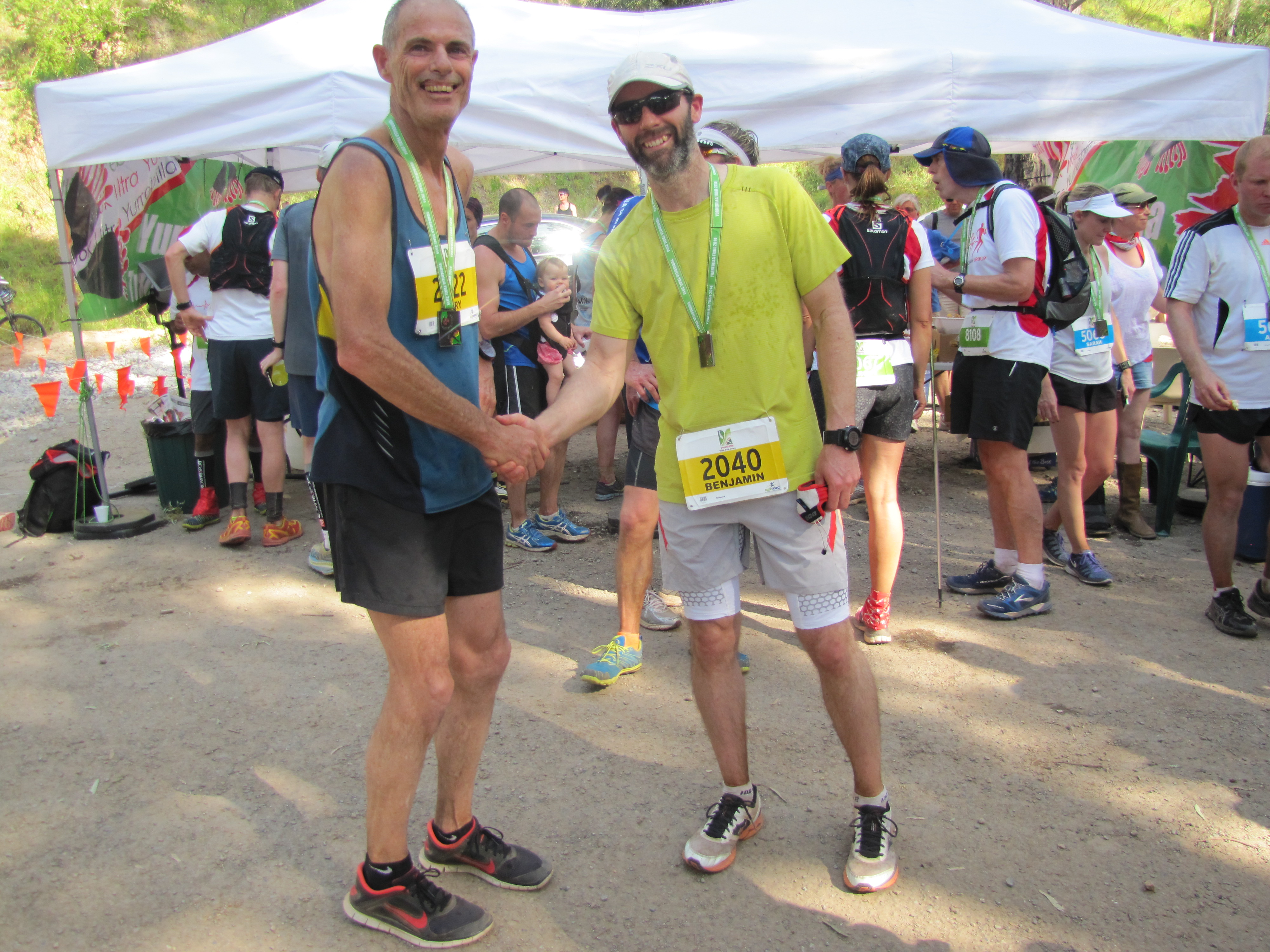
Yes, my son, Ben does look very relaxed, but he has got 22 years on me.   I felt pretty good actually, so obviously slacked off during the run and could have gone harder!  Ben looked after me, he gave me salt tablets, as I got cramp for the last 20-30 kms.  I think this was because I hadn’t been training in hills and the leg muscles weren’t used to it.   Anyway, up for it next year,I will be training in the hills  here at Wilmington and going for a PB, of course.

I am totally gobsmacked by health professionals who continue to peddle prejudice as information, in relation to eating only plants.  My mother in law, has lung cancer at present and since the diagnosis, she has gone vegan.  She has been told repeatedly, by staff in the hospital, that she needs protein and she must eat meat.  This is despite the fact that protein:

  • is everywhere in everything we eat
  • the idea of complete protein is irrelevant, as proteins are broken down into individual amino acids and then made up into the proteins that we need, when we digest them
  • if we eat enough food, it is impossible to be protein deficient(do you know anyone who is sick because they aren’t getting enough protein??)
  • animal protein is implicated in cancer.   See Colin T Campbell’s book, “The China Study”.   He is a professor of Nutrititonal Biochemistry at Cornell University and the author of over 300 research papers in professional journals.  He came in to the field as a young man, believing animal protein was king and came to the opposite conclusion: that animal protein was the problem.
  • Pathways for cancer that are made worse by meat are  inflammation and the higher rate of sulphur containing amino acids in meat protein as compared to plant protein.   Inflammation is necessary for the cancer to get a hold, as it is how a dormant cancer cell gets a  blood supply to start to grow.  Cancer cells, like normal cells, need nutrients/food and they need a blood supply.   Chronic, low level inflammation provides that blood supply.   This is one of the many reasons keeping inflammation down in your body is a very good thing.  Eating plants is the way to do this.

Just before my ultra, a friend of the family was over for a few drinks.  She is a nurse and she started talking to me about carbohydrate loading for the race.  I replied, I didn’t need to carbohydrate load as I carbohydrate load everyday.  That’s what I eat-complex carbohydrates or sometimes known as starches: oats, rice, beans, grains of various kinds, potatoes, sweet potatoes and peas of various kinds.  Of  course, fruit and vegetables, but the bulk of my food and my energy comes from carbohydrates.

Then she went on to say, that I needed protein to build  and repair muscle!  Somehow as a health professional, she is unaware that all of the foods above( in fact, every unprocessed, natural food) has protein and plenty of it.  Most people who eat meat are eating far too much protein, the average for meat eaters, being 15% of calories in protein.    We only need 5-6% of our calories as protein.  5% is what is in mother’s milk!

There has been lots of work done on the effects of exercise and health and it is no surprise that exercise is good for you.  The good news is that it doesn’t have to be very much in fact,   anything helps.  But, is it the case of, the more the merrier?   There has been discussion about reduced immune system function and muscle damage from extreme exercise-like running 56 kms through the Adelaide Hills!  The good news is, that your immune system takes a hit for about a week and then it bounces back stronger than ever.  And if you start from a high base because you have been exercising and eating a diet high in anti-oxidants (plants) then having the drop for a week is not a problem.  It is like everything in the body: use it or lose it and the more you use it,  the stronger it gets.

I was humbled by running the Yurebilla ultra, as the people in group A,  came past me, having started half an hour behind.   But I have been surprised how quickly my body  has bounced back to no muscle soreness and high energy.  This took five days!

Yours in health

Gary


plant powered ultra marathon

near finish
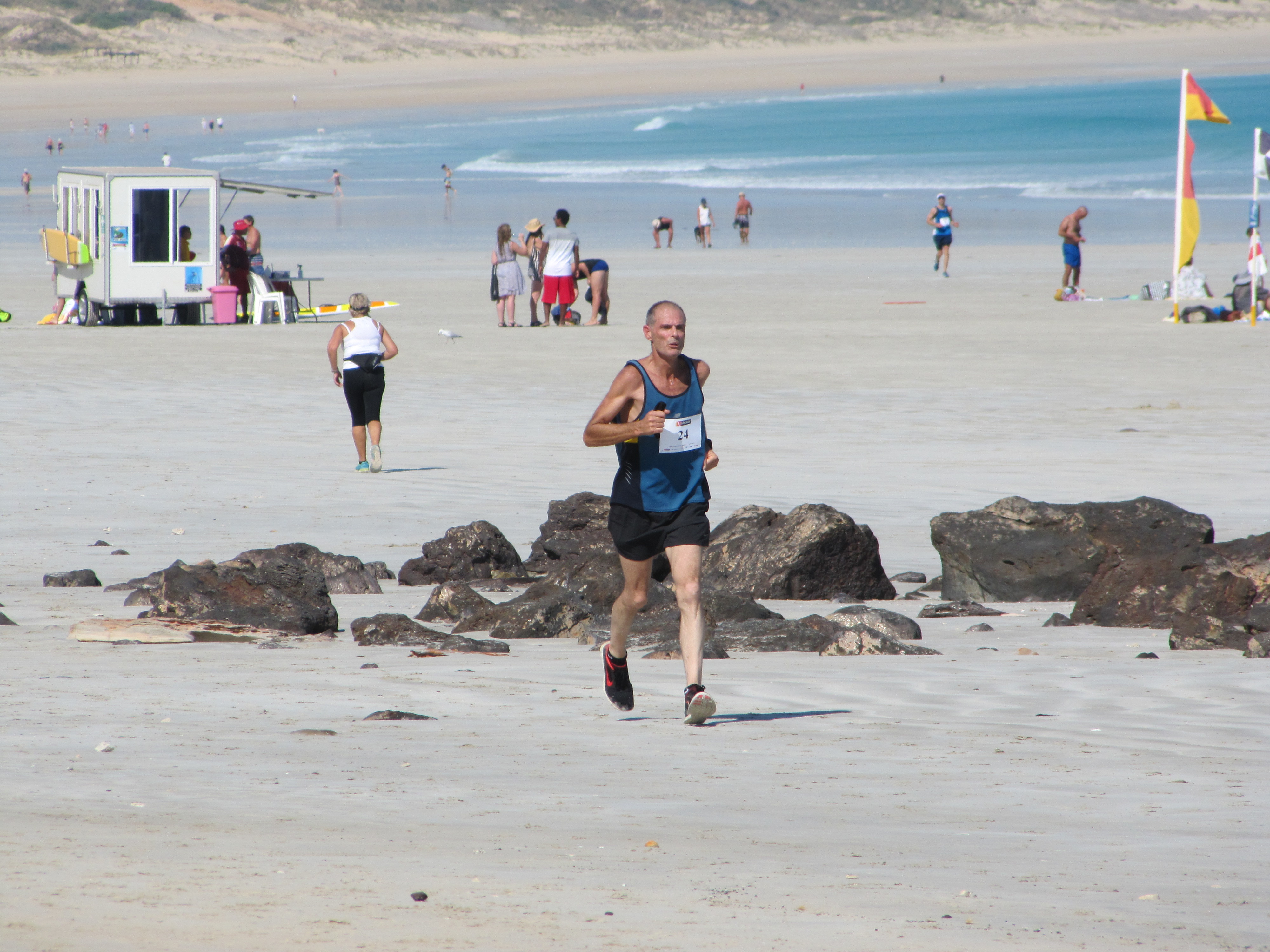
near finish broome  marathon 20/7/14

On Sunday 28th September 2014,  I am about to hopefully complete my 1st ultra-marathon with my son,  Ben.  He has promised to run with me.  I was inspired to tackle this by going to watch him run the 100 km North Face run, in the Blue Mountains last year and deciding I would like to run a long run with him, before I get too old.  I am 60,  but at the moment, there is no reason to think I am approaching the point of being too old.

I am a vegan of approximately 12 years duration and I have never felt healthier and more energetic.  We(my wife and I) are constantly tinkering with what we eat and I get great health and great enjoyment out of food.  Recent changes we have made are eating berries every day and cutting back our use of  oil to almost zero.  For example, Julie makes great cakes without egss, milk or oil.

A big change for me has been eating a lot of fruit-I was never much of a fruit eater.  Now,  I have an apple a day, maybe banana on my porridge in the morning(always strawberries and possibly dried cranberries).

I started training seriously at Christmas 2013 for this run, Yurebilla on Sunday 28th.  I bought myself a Garmin 220 watch so I can communicate with my son about my runs, via Strava website.  It’s been very helpful, as the watch doesn’t lie about how far and how fast you are going.   The watch and Strava tell me, I have clocked up over 2015.2 kms and I have been running for a total of 169 hours this year (actually a small amount of time over three quarters of a year!)  My longest run in training was 36 kms and for few months, I was running between 80 -100 kms/week.  I was living in Broome  most of this time and there are no hills there, so this run on the weekend through the Adelaide Hills, is going to be a challenge-sore thighs here we come!

I feel like I haven’t run much lately, as I had a couple of weeks recovery after Broome marathon and now resting up a couple of weeks, before this run.  I am looking forward to the run, but also looking forward to it being over, so I can just get back to my routine of running six days/week and knocking out some kms.

I have the feeling I am going to like the idea of running slow and long, so this weekend could be the start of something.  Oh, yes and I am raising money for Animals Australia to help fight live exports, so if you feel inclined to donate, you can go to my everyday hero donations page or just direct to Animals Australia and send me a comment letting me know, would be great.

I’ll do an update next week sometime after I recover from the run!

All of the best in health


Gary


fibre is your friend

Scientists are starting to think of human beings as a “super-organism.”  That is, we are not one single organism living in isolation.  We as an organism, are dependent on the millions of other organisms (bacteria) that live in our gut.     What we eat changes the species composition of the bacteria, which live in our gut.  The more fibre, the more friendly or helpful the bacteria.  We feed them from the food we eat and their waste products play helpful roles in our metabolism.  For example,  a short chain fatty acid produced by these bateria reduces inflammation.  Chronic low level inflammation is at the base of many of our most serious killer diseases including cancer.  (see Dr Greger’s Nutrition Facts for more information).

As I have mentioned in previous blogs, if  we have a low fibre diet, that is a diet  high in meat and dairy with the occasional potato chip and limp lettuce, we have different bacteria in our gut, than if we have a high fibre diet.  These bacteria take choline and carnitine present in animals and convert it to a substance called TMAO which is laid down on the lining of our arteries, leading to blockages of our blood vessels.  Blockages lead to heart attacks and strokes.

To get gut bateria that are helpful to us, eat a lot of fibre.  Many people these days are aware of the value of good bacteria and are purchasing pro-biotics.  This is an expensive and never ending solution, as the good bacteria in these pro-biotics need to keep being replaced as they are put into a gut that is hostile to them, with not enough fibre for them to eat!  So, they perish.   Cut to the chase and eat a high fibre diet ( whole plants, like beans and veggies) and have the right food and environment for our bacterial friends.

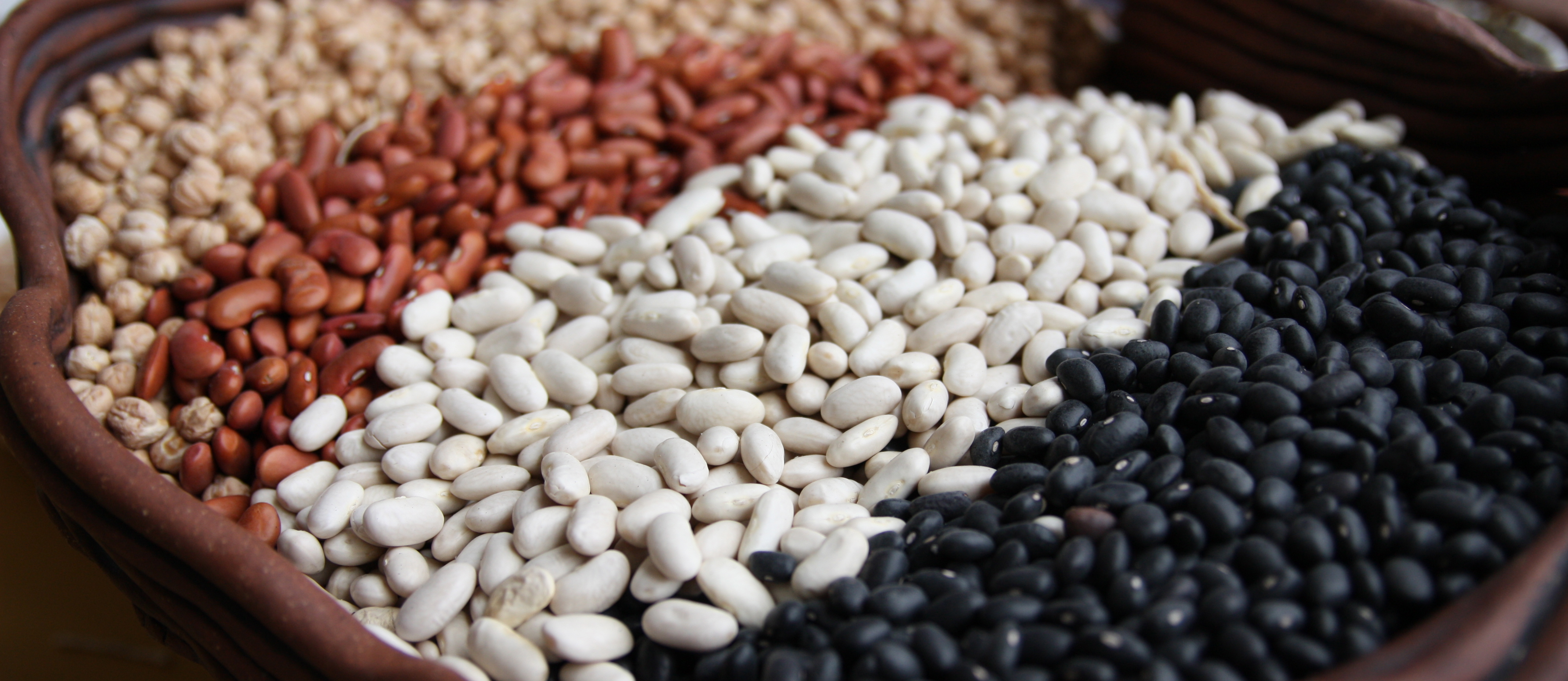
beans, oneof the triumvirate of great foods: Beans, greens and berries
beans, oneof the triumvirate of great foods:
Beans, greens and berries

The fibre/gut bacteria story is only just starting to unfold and it is becoming clear that our gut bacteria have a profound influence on our health.  The emphasis at the moment, is in relation to auto-immune diseases, where our body creates inflammation and attacks itself inappropiately.   These are diseases like asthma, multiple sclerosis and cancer.  My  feeling, is that the gut bacteria story is going to cover many things in the future.   It is already known that overweight people have different gut bacteria to people of a healthy weight.  Amazingly, if the gut bacteria of a healthy weight person are placed in an overweight person (don’t think too much about the route and method but suffice to say it involves faeces!), the overweight person loses weight.   This highlights the importance of growing and supporting good bacteria in our stomachs.   Fortunately,  it is simple, eat whole  plants.

A painless and enjoyable way to lose weight is by eating more plants.  This is because, by eating more plants we are  eating more fibre and as a result  less calories(The Starch Solution).   Most people eat about 10-12 gms of fibre/day and we should be aiming for 40 -50 gms/day.   For every 14 gms of fibre we eat/day, we  taken in 10% less calories/day.  This is because fibre is very filling, so we don’t feel hungry and fibre passes through us, giving up not all of its stored energy (calories) along the way.   If we get to 40 gms/day fibre on an average 2000 calorie intake/day, w e will have dropped to 1680 calories/day, on the basis of 10% less calories taken in for every 14 gms of fibre taken in.    This is a 320 calorie/day drop.  Walk for an hour/day for our mental health and we might, depending on our weight, use up 400-500 calories.   So, that’s around 800 calories/day.  Do that for 3 months and that’s a lot of calories.  The best thing is that this can be done without feeling hungry, as fibre is filling!  Not to mention the fat and sugar  we are not eating, which was  in the processed food that we were eating, before we started eating all of those veggies, beans and fruit.  If we wanted to lose weight quickly, we could cut out the fruit, as well.  (See McDougall’s Maximum Weight Loss Diet)

Foods  high in fibre, for example beans, are harder to digest than say a hamburger, so our body uses up more energy (calories) in digestion and gives off more of the energy in the food, in heat.  In other words, are engine (metabolism) is ticking over quicker.  When we eat whole plants we notice this by our increased levels of energy and our improved mood. (check out this video  to see how much fun eating veggies can be!)  In comparison to whole plants, (plant foods have almost no fat)  only a small number  of calories in fat are used in digesting fat, which is why the fat we eat is the fat we wear!

As I have mentioned in previous blogs, eating lots of fibre keeps us regular in terms of bowel movements, with a transition time of 24 hours or less, not days or even weeks!  A quick transit is good as there is less time for harmful stuff, like excess cholesterol and toxins, to be re-absorbed back into the body, which is what happens if there is a slow transit of our waste products.

Fibre is our friend.  It fills us up and cleans us out!  We need never go hungry and we can feel good about eating, as we know every bite is doing us good.  No more guilt and regret about eating, as eating is a natural, enjoyable and rewarding experience.

Fill up on fibre!

there was an old woman/man who swallowed a fly

“The more time, toil, and sacrifice spent by a population in producing medicine as a commodity, the larger will be the by-product, namely, the fallacy that society has a supply of health locked away which can be mined and marketed.”
― Ivan Illich, Limits to Medicine: Medical Nemesis: The Expropriation of Health
This comment from Ivan Illich didn’t only apply to pills/medicines but to the medical industry as a  whole.  However, pills are the most obvious and ubiquitous commodity that as a society we trade in, in terms of ‘buying’ health.
There is a pill for every problem.   Even pills for non-problems, like taking vitamins, with the idea of ‘optimizing’ your health.   Or other non-problems like taking pills because you have a cold, to take away your symptoms (these are the very symptoms, we should be happy to have as they are a sign our body is fighting the cold and these symptoms are the byproduct of that fight).  Or bugging your Dr to give you anti-biotics for your cold or flu, when your cold or flu is a virus and anti-biotics are completely ineffective.   What the anti-biotics will do is kill off good bateria in your gut, which are a part of your immune system defense.
This pursuit of pills as health, is a part of where we are in western society at the moment, in that we are increasingly seeking immediate gratification (solutions)without any effort on our part and we can’t tolerate any discomfort.  Many children growing up in Australia today rarely experience the outside world, particularly being hot or cold.   They live in cooled or heated houses, travel in air-conditioned cars, go to  school in air conditioned classrooms and are frightened of ants or beetles!   This discussion may seem a long way from health, but this coddled life is likely one of the reasons that asthma and allergies are on the rise-kids aren’t exposed enough to dirt!

So, in our pursuit of pills as the solution to our problems, we are like the “Old Woman Who Swallowed  a Fly”

We all know this song, from our childhood.  It is a story about a woman( inthis case us, modern western humans) who  started off with a small problem, a fly and started on the path of swallowing animals to catch each animal she swallowed.  Each time she swallowed a “cure” she had a bigger problem and just like Ivan Illich described over fifty years ago, when the solution of swallowing things didn’t work, she just did more of it, in bigger quantities!    Eventually, she got to the ultimate solution, death.  “She swallowed a horse!  She’s dead of course!”

This process sounds eerily like the way we deal with disease.  We take ever greater number of medicines/pills of an increasingly serious nature, until we are dead, of course.    Some medicines are good, like anti-biotics, although they are horribly misused by the medical profession, but mainly by factory farming/agriculture, thereby putting everyone’s health at risk.  Vaccines are another example, of a good medicine, but again subject to abuse by the ever widening definition of who should be vaccinated.

pills

The medications we take for our killer diseases(cancer, diabetes, heart attacks, strokes) are largely ineffective,as they in general tackle the symptoms of the disease, not the cause of the disease.  On top of that they are incredibly expensive, if not to the person taking them, then to the taxpayer.  Worse than this, they can be dangerous, even leading to death.   At the beginning of his annual review of nutrition literature, Dr Michael Greger, describes how medical treatment is the leading cause of death in the USA.   How?   It is a combination of adverse effects of prescribed  medication, (not overdose with the intention of harming oneself), medical mistakes and infections caught in hospitals.    Adverse effects of medication were the biggest contributor to the high  numbers of people killed by medical intervention.

pills1

In the last week there  has been a headline example of this in Australia,  although the Therapuetic Goods Administration seems to think there is no problem.  ““The TGA has considered the articles and notes there is no new information that would indicate a change in the benefits and risks of Pradaxa.”   This  was in response to a British Medical Journal article which claimed, that the makers of blood thinning drug,  Pradaxa “put marketing ahead of safety”.  In addition, “Figures obtained by the ABC reveal Pradaxa has been associated with 280 deaths in Australia and 1,400 adverse drug reactions in the past five years, including abdominal bleeding, brain haemorrhages, strokes and heart attacks.”    According to the TGA, this is grounds for business as usual!

The irony is that Pradaxa is prescribed to decrease the chance of the very things that it seems to be increasing:  that is brain haemorrhages, strokes and heart attacks.  In this case, the British Medical Journal claims, the makers of Pradaxa withheld information from regulators as they were concerned it would effect sales.   I until recently, and probably you, assume that all information from  trials about a drug are made available to the regulator, so our safety can be protected.  This is not the case.   The true safety and efficacy of drugs are really only tested when the people prescribed them, start taking them.  Many drugs have been pulled  from market, aftermany people have died unnecessarily.

It is much easier to get information about what is happening in the USA, but when it comes to health and lifestyle, we are usually the same or in a worse position than them.

David Maris in an article on Forbes.com quotes national survey results for America in relation to prescription medicine.

  • 34% of American adults take at least one prescription drug
  • 11.5% of American adults take three or more prescription drugs.
  • 6.5% of American adults take 4 or more prescription drugs.

And if you look at the over 55 age group as the above figures are for adults 18 and over, the picture gets worse.

  • Nearly half of all Americans aged 55 and above are on a prescription drug, vs. just 23% of those 18 – 24 years old.  If we look at those on 4 or more drugs – only 2.6% of 18 – 34 year olds are on 4 or more drugs vs. 12.6% of those 65+ years old.

I personally think the most startling and shocking figure there is that a quarter of Americans between 18 -24  are taking a prescription drug!   These people are supposed to be in the prime of their life.

If you start asking around amongst your friends and family, who is on prescription medication and what they are on, I think you are going to get a shock.  I know I did.

I recently watched a series by Michael Mosely called, “Trust me, I’m a Dr” on a flight from Adelaide to Broome.  There were a couple of interesting things mentioned,  one being that the average person in Britain  takes 20,000 pills across a lifetime!  He was walking along with a wheelbarrow, full to the brim which was equivalent to  one person’s average consumption.  This was all pills: prescription pills, ‘health’ supplements, painkillers, cold and flu tablets and so on.

They also did an interesting experiment with a Vitamin C tablet which showed over a 24 hour period, the person who took the tablet had excreted more vitamin C in their urine, than was in the tablet!  The person wasn’t eating some special high vitamin C diet, just normal everday food that most people eat: meat, vegetables, cereal, few beers and wine-that kind of thing.   So, paying for vitamin C supplements, we may just be paying for expensive pee! (clearly the person had enough vitamin C already and the body just got rid of the excess)

It is important to understand the use of the words, side effects, when they are used in relation to prescription drugs.   What we mean by side effects, is not the effects that we are taking the drug for, like lowering our blood pressure or lowering our cholesterol.  The side effects though, are direct effects of the drug on the human body.  (For example, one of the unwanted direct effects of taking statins, our most frequently prescribed drug, is muscle weakness)   They are the effects that this drug will have on a certain number of people who take it.   They are direct effects and very often people with chronic conditions have to live with these direct effects permanently.  Or sometimes, take other pills to combat the effects of the original pills! (sounds awfully like the old woman who swallowed a fly!)

This is one of the problems of starting on the pill road.  It is a slippery slope, one pill leads to another.  Because if you are unwell, the body is a system where everything works together and if things are failing, other things will start failing.   A chronic disease diagnosis is a diagnosis of deterioration in health, increase in sickness and ever greater levels of medical intervention, leading to ever greater levels of medical intervention.

It is important to realise that pills are not curing our disease, they are at best treating our symptoms and reducing the likelihood of a  short term deterioration in our health.  Over the long term, we are still headed the same place: getting worse.

If food is the problem, then food has to be the solution.   All of the pills in the world can’t overcome re-injury with food, three or more times a day.


bowel movements, eating plants, exercise and health

I wanted to call this blog something like, “the good thing about getting the shits!”, but I am conscious of the fact that the title of each blog is how search engines find it, so I wanted to make it search engine friendly.

This topic came to mind this morning as I hadn’t ran for two days and  went for 11.4 kms this morning, on  beautiful  Cable Beach Broome, Australia.    Within an hour of the run, I had a bowel movement.  This happened even though I had three bowel movements the previous day and one before my run!

As someone who eats only plants and  almost no processed food(that is de-fibred food with added sugar, salt and fat from a factory or take away chain) my bowel movements are regular, substantial and easy to produce. (non – ease of production, that is forcing leads to varicose veins, haemarroids and hiatal hernia, coming from all of the blood being forced around our body over a long period of time, due to all that straining!)    Medical professionals need a classificatory system, a taxonomy of pooh, so that there is a standardised way of talking about bowel movements and everyone is talking from the same page, so to speak.  Nurses frequently in hospitals have to look at our bowel movements and report on them, as an indicator of our health and the taxonomy they use is the Bristol Stool Scale.    I like all  vegans who stay away from processed food, you will be happy to know, have bowle movements categorised as a 4 on the scale, right where you want to be.

It is not however, just the  quality of our bowel movements that is important, it is also the quantity.

And last but not least the speed of transit, through our gut to our bowel is also important.  One way to  test whether  your bowel movement today relates to what you ate yesterday or 3-4 days ago, which is where most people are at, is to eat a lot of beetroot.   Just sit back and wait to see how long it takes for your faeces to  turn red and you have some important information about the  health of your intestinal system.   You will have improved your intestinal system by eating a lot of beetroot, which has a lot of fibre, which is only found in plants.  Fibre is what is neccesary to have good bacteria in our

high fibre tasty meal

gut and good bowel movement.  For the curious,  it takes 16 hours for my faeces to turn red.   It shouldn’t take any more than 24 hours.  If it does, eat more fibre and  get more exercise.  Fibre, meaning eating more unprocessed plants or whole food plants is the main thing though.

So, even though, I tick all of the boxes, quality, quantity and speed of transit, my bowel movements are still improved by exercise!   The exercise doesn’t have to be running an hour/day, just walking every day will do it.  I used to lead off track bushwalking trips for a few weeks at a time, consequently the diet was largely plant based and of course, we were walking everyday, approximately 10 kms (this far would not be necessary to improve bowel movement).  After a few days, people invariably started discussing the extent, nature and urgency of the bowel movements they were experiencing compared to their life pre-trip.

Plants and exercise work wonders!!

Myself powered by plants Broome Marathon Cable Beach 20/7/2014

Just a quick update in terms of the marathon powered by plants.   On the one hand running a marathon is not particularly significant, but I wanted to highlight it, as with the culture we live in the dominant idea is, that if  you don’t eat meat and dairy then you are sickly, feeble and weak. ( or if you are not now, you soon will be!)


near finish
near finish

I have been vegan for 12 years and vegetarian for 20 years before that.   I completed the marathon in 3 hours 35 minutes coming in 3rd out of 29 competitors.  Yes the Broome marathon is rather small.  My son quipped when I told him my result, that I made top 30!

I was by far the oldest participant and ran this marathon 7 minutes slower than my time in the Adelaide marathon 24 years ago.

I have just bought a book today titled, Plant-powered Men:Inspirational Men Share their Secrets of Optimal Health and Boundless Energy compiled by Kathy Devine.   I am looking forward to reading it and touching base with some fellow travellers-my tribe.

I think there is an interview in there about a group called Extreme Vegans who do demanding outdoor activities.   I might chase it up as I think I am ready!

finish line!
finish line!

Yours in health

Gary