Category Archives: food

Mangoes are high GI (glycaemic index)!

A work colleague asked me the other day what foods I would take to a desert island and if I could only take three things, what would they  be?   I said, “beans, greens and berries” which are probably the healthiest foods on the planet.   They are all plants and so they have a myriad of helpful chemicals and the greens and berries are particularly high in anti- oxidants, those chemicals which counteract free radicals.   Beans have the benefit of being very filling, tasty, high in fibre and slowing the release of energy into the body (low GI) even to include the next meal, when beans aren’t eaten!
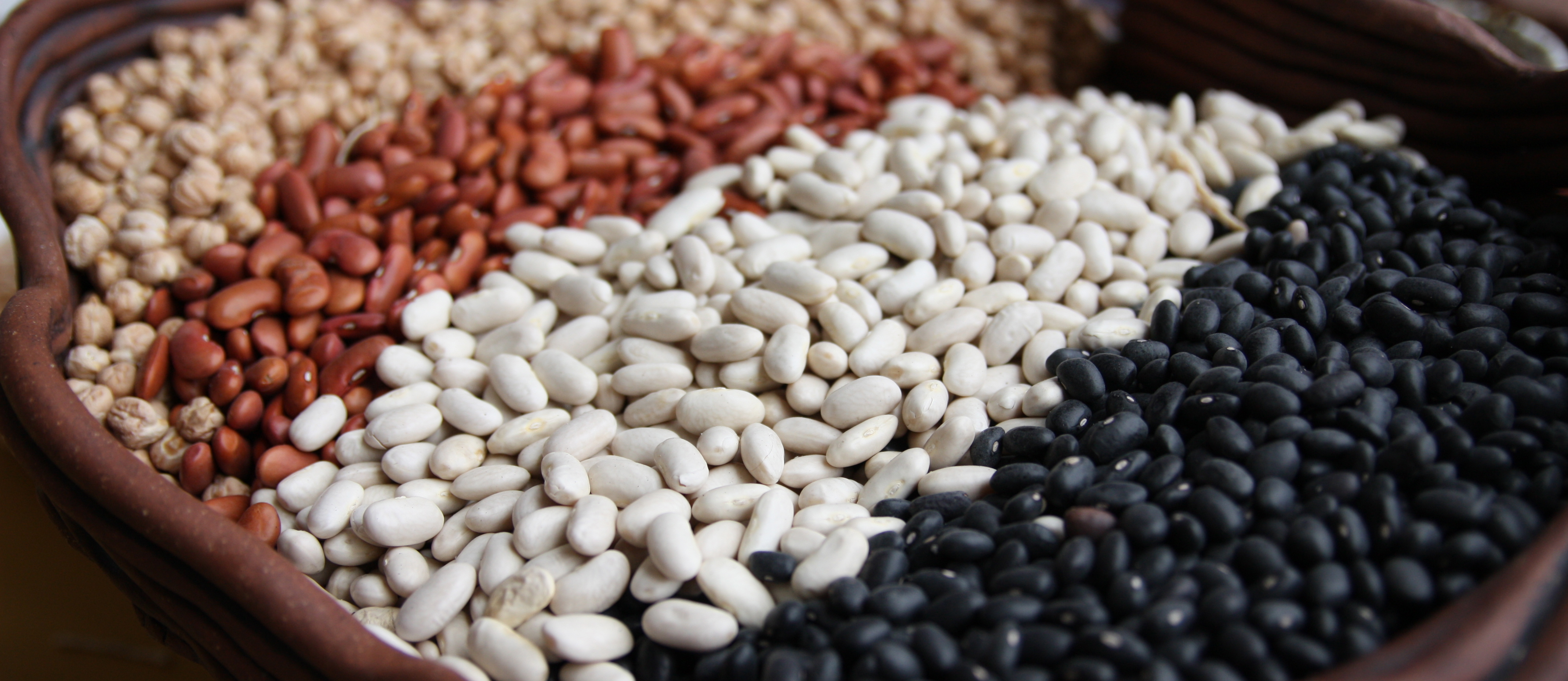
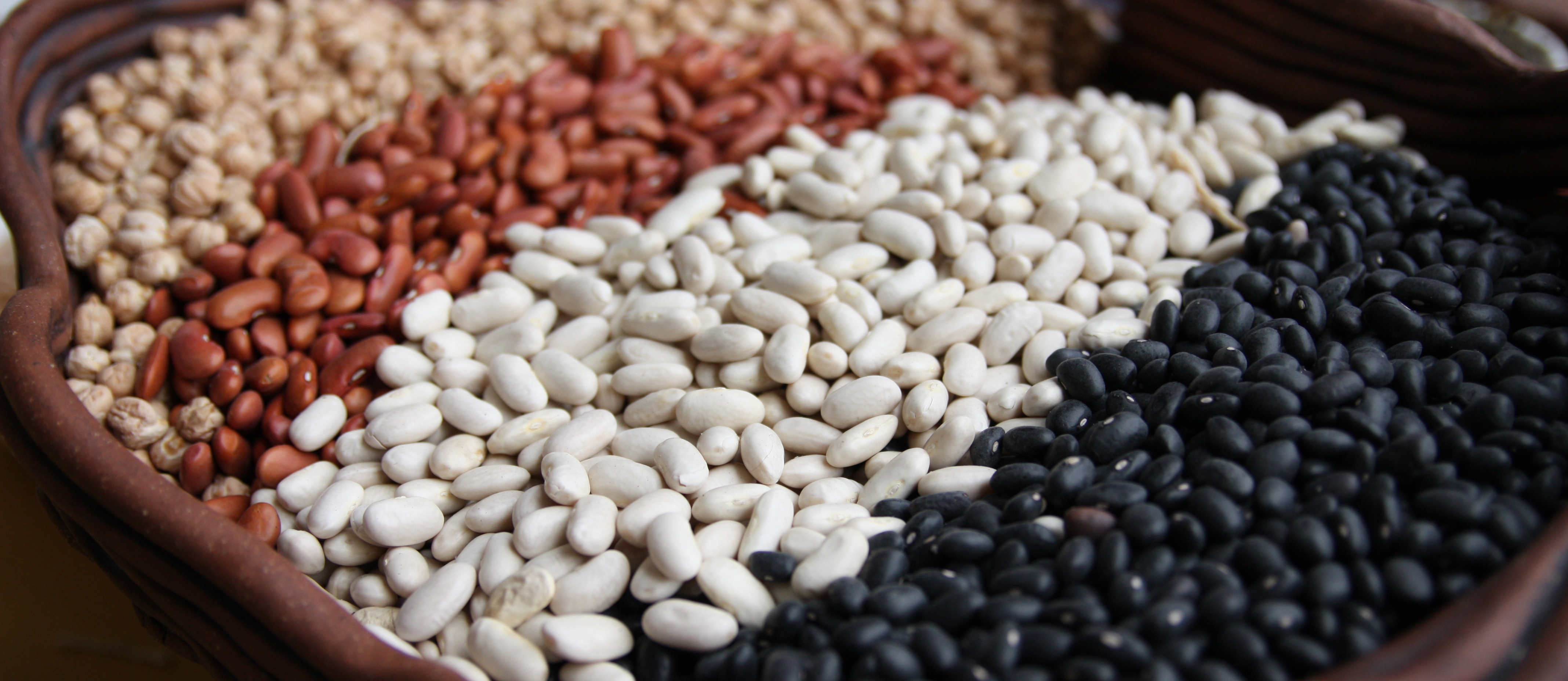
beans, oneof the triumvirate of great foods: Beans, greens and berries
beans, oneof the triumvirate of great foods:
Beans, greens and berries

Free radicals are chemicals produced by the process of using oxygen to power the chemical reactions to release stored energy in our body.  So, just sitting and reading this blog, you are producing free radicals which can be increasing the risk of cancer and speeding up ageing.
The fact that free radical production increases as the amount of exercise we do increases, has led some people to argue, that exercise is bad for you.  (People love “good news” about their bad
habits and “bad news” about their potential good habits!)
However, the body is not stupid.  The more we exercise the more the body ramps up it’s immune system response, counteracting the negative effect of free radical production.   Also if we are not in
antioxidant deficit like people eating the SAD (standard Australian diet-meat, dairy, processed food and take-away) then we have all the anti-oxidants we need to balance up the free radicals.  Yep, you guessed it, by far and away the main place to find anti-oxidants is in plants, particularly fruits and vegetables.
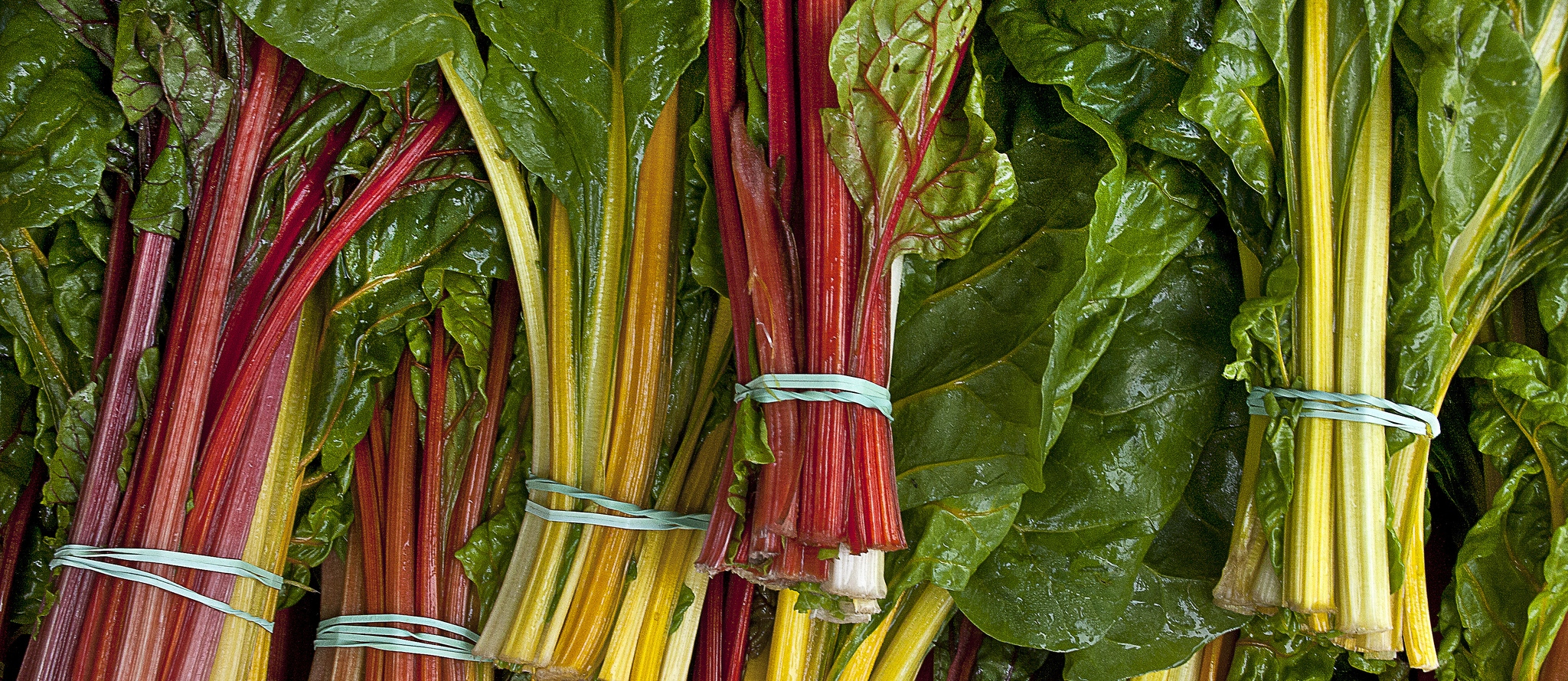
greens
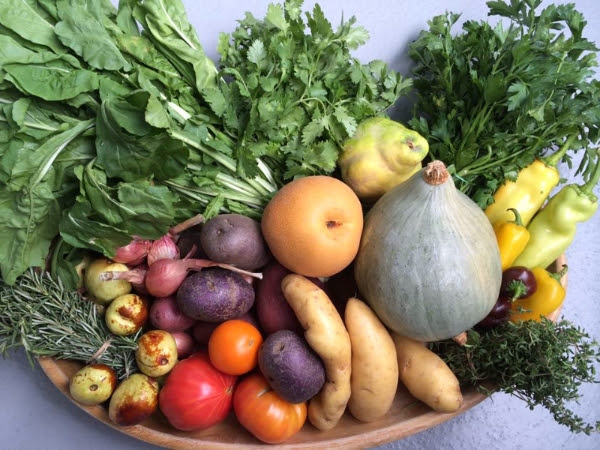
greens

My colleague wasn’t happy with my generic  list and wanted specific foods.  I went for chickpeas, kale and mango(I know, mangoes are  not a berry, but they pretty delicious!)   Her response was mangos are high GI, as if this was somehow a problem!  GI is not a measure of food quality but many peoople consider that it is.  That is, they think low GI equals  good food and  high GI equals bad food.    GI is simply a measure of how much the carbohydrate in a food  increases blood sugar levels.  What’s bad about a lot of sugar being released into the bloodstream  after eating?  Nothing as long as it is good food.  A lot  of sugar in the bloodstream leads to, insulin being released from the pancreas and the sugar is then stored in liver and muscles for future energy use.  The problem arises in high GI foods if the person is already fat or they eat fat and sugar together (in other words processed or takeaway food or meat and dairy with a high GI food)  Fat interrupts the uptake of sugar into the muscle cells .
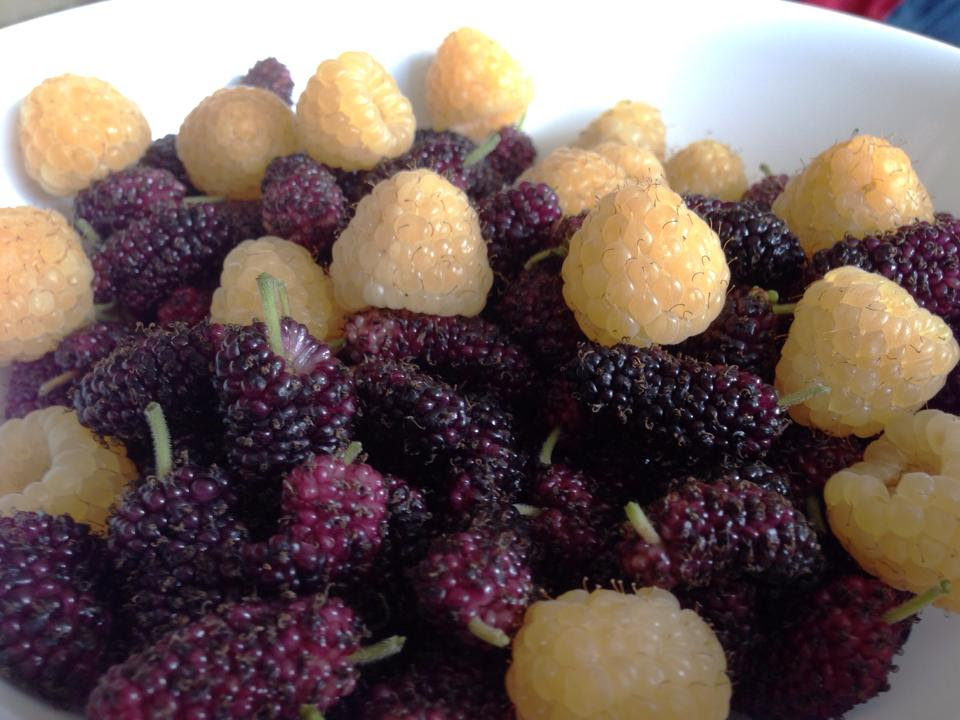
berries

A person eating beans and greens followed by mango would have no problem.  Person eating just mangoes would have no problem!  It turns out that mangoes are not a high GI food, with a GI between 50 -60.   On top of that they are a  healthy food as they have fibre, good amounts of vitamins  C, A and B6, beta-carotenes and other useful phytonutrients.   Eating high GI foods is only a problem if you are already sick in some way.   High GI healthy foods are good for you.  What is a healthy food?    Any whole plant food, as these have fibre, protein, complex carbohydrates, small amount of fat or none at all and many helpful phytonutrients (helpful chemicals only found in plants).

The whole notion of GI as it is used and understood is suspect anyway as like most things, the picture is more complex than just GI.  This excerpt from Wikipedia gives a good explanation.

“The glycemic index or glycaemic index (GI) is a number associated with a particular type of food that indicates the food’s effect on a person’s blood glucose (also called blood sugar) level. The number typically ranges between 50 and 100, where 100 represents the standard, an equivalent amount of pure glucose.[1]

The GI represents the total rise in a person’s blood sugar level following consumption of the food; it may or may not represent the rapidity of the rise in blood sugar. The steepness of the rise can be influenced by a number of other factors, such as the quantity of fat eaten with the food. (italics added)  The GI is useful for understanding how the body breaks down carbohydrates [2] and only takes into account the available carbohydrate (total carbohydrate minus fiber) in a food. Although the food may contain fats and other components that contribute to the total rise in blood sugar, these effects are not reflected in the GI.

The glycemic index is usually applied in the context of the quantity of the food and the amount of carbohydrate in the food that is actually consumed. A related measure, the glycemic load (GL), factors this in by multiplying the glycemic index of the food in question by the carbohydrate content of the actual serving. Watermelon has a high glycemic index, but a low glycemic load for the quantity typically consumed. Fructose, by contrast, has a low glycemic index, but can have a high glycemic load if a large quantity is consumed.

GI tables are available that list many types of foods and their GIs. Some tables also include the serving size and the glycemic load of the food per serving.[2

A practical limitation of the glycemic index is that it does not measure insulin production due to rises in blood sugar. As a result, two foods could have the same glycemic index, but produce different amounts of insulin. Likewise, two foods could have the same glycemic load, but cause different insulin responses. Furthermore, both the glycemic index and glycemic load measurements are defined by the carbohydrate content of food. For example when eating steak, which has no carbohydrate content but provides a high protein intake, up to 50% of that protein can be converted to glucose when there is little to no carbohydrate consumed with it.[3] But because it contains no carbohydrate itself, steak cannot have a glycemic index. For some food comparisons, the insulin index” may be more useful.”

In other words, whether mango  has a high GI is irrelevant (it turned out it has  a low GI).  The questions is, is it good for you and the answer is an unequivocal yes!
I’d rather than die than give up ———?

There is a wierd disconnect for people between what they put in their mouth and their quality of life.   I have frequent experiences where people demonstrate that they know that what they are putting in their mouth is bad for them,  but they have no intention to stop it.   In fact they may well be taking the view that these foods that are bad for them, are somehow contributing to the quality of their life:  that these foods represent the pleasures of life and that they deserve these pleasures, given what they  have to go through every day.

Irrespective of the health effects of these high fat, high sugar, high animal protein foods which are enormous, the view of life as something to be endured, or drudgery that has to be gotten through, so you can get to the good bits, is bad for our mental and spiritual health.  The good bits for most people are alcohol, food that is killing you slowly, holidays and sex.(nothing wrong with sex or holidays!)

NF-August22-Avoiding-Dairy-to-Prevent-Parkinsons-140x135

I think people continue to eat foods that they know are slowly killing them, because they think they deserve it, given the suffering that they are enduring (the suffering I am referring to is everyday suffering, like people’s jobs or their marriage or loneliness, all common complaints of western culture).  I think people also do it, as we have been trained to experience these foods as highly pleasureable and to some degree we are hardwired to seek out fat and sugar, as over most of the  human lifespan, they were in extremely short supply.  Both sugar and fat represent concentrated forms of energy.   I think the other reason people continue to eat these foods, which is  linked to the “I deserve it” reason is, “a little bit  won’t hurt”.  A little bit does hurt, one reason being that a little bit is rarely just a little bit and it is always a repeated little bit which adds up to a lot over time!

People have said to me of recent times, “I would rather die than give up—-“.  The gap can be filled in  by anything, like chocolate,  meat, cheese, Tim Tams and  so on.  The disjunct I started this blog with, knowledge that the food is bad for them, but having no intention of stopping,  I think is partly because even though they say, “I’d rather die” they don’t actually think they are giong to: at least not from the food.  The truth is, it will cause their death,  much earlier than necessary and it will exact a high burden on their ability to enjoy their life, in terms of mobility, health and mental health.   This reduction in mobility, health and mental health or sense of well being, they will most likely put down to old age, rather than poor health, brought on by poor diet.   Old age doesn’t  have to be an ever increasing round of Dr and hospital visits(these are pretty dangerous in themselves, just at the level of infections and complications of treatment!)

NF-July23-Meat-Fumes-Dietary-Secondhand-Smoke-140x135

What people experience, becomes the norm and as people are getting sicker, they are expecting and accepting getting sicker: “it’s all a part of growing old”.

I think one of the problems for people in making a change away  from the foods that they would die for, is that they have never been well!  This will be even truer in the future, than it is now, with the move away from fresh food to takeaway and  processed food, that has taken and is, taking place.

download

This is why PCRM (Physicians Committee for Responsible Medicine) and other promoters of healthy eating, encourage people, to go to whole foods plant based diet completely for 21 days.  The thinking is that 21 days is long enough, to experience some of the benefits of eating well and for our tastebuds to adjust to  new flavours (in fact we have physically new tastebuds in this time).   Our bodies are incredibly responsive to what we put in them.  Within hours of eating fruit and vegetables our ability to remove sugar from our bloodstream (insulin sensitivity) increases.  Conversely, if we have a high fat meal such as hamburger, egg and chips our ability to remove sugar from our bloodstream  drops (decreased insulin sensitivity).    This is in the context of being given the same glucose drink.

How do you get past thinking I deserve this chocolate, alcohol, meat or cheese? (or whatever your particular poison is)  Change your view from this ‘food’ is desirable, to this is poison.  Change your view of food that you know is good for you, from this food is boring, to this is life, this is energy, this is health.  People often say to me, “oh, that’s right, you can’t have x” .   I say, “it’s not  that I can’t,  I choose not to”.   I don’t talk to them about why I don’t eat it and why I choose to eat  what I do, as they are not really interested.   I do think it is important to make it clear, that it is a choice I am making and that it is not restrictive.   When I eat an apple, I enjoy the crispness, the sweetness and the juice running.  I am also aware, without thinking about it, that an apple is really good for me!  So, on that basis alone it feels good to eat it.   There is a lot of pleasure in putting something in my body, that I know is good for it.   I know an apple is good for my body as is it  high in fibre, (removes toxins, lowers cholesterol, promotes strong immune system and mental health by promoting growth of good bacteria in my gut) and it is  high in anti-oxidants and other plant chemicals(known as phyto-nutrients) which are good for me.

fruit

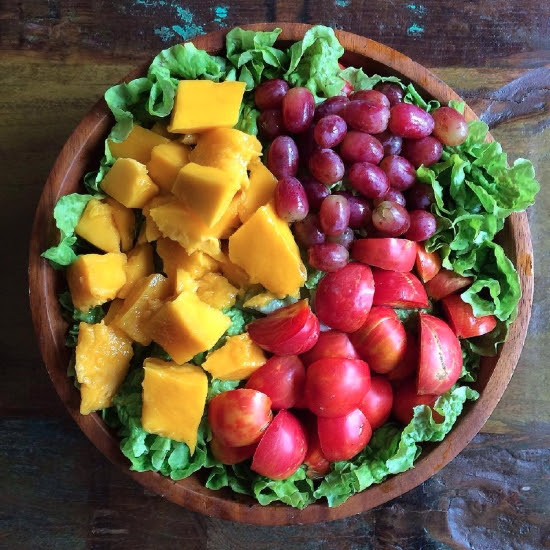
I know that cheese, for example is bad for me, as it is high in saturated fat, high in cholesterol and high in animal protein.  In other words, it is promoting cancer, heart attack, blood thickening and clotting and inflammation.  With that knowledge, it would be hard to enjoy eating cheese.   Not to mention, if you didn’t eat it for a while, it wouldn’t taste any good!  Your tastebuds would adjust and all you could taste would be fat  and it would leave an unpleasant coating on your tongue! (quite the  opposite of an apple, or the delicious mango and grapes above)

Good health!


we don’t need to add anything-we need to take stuff away

People are desparate to do something to help their health.  They  know they  need to do something and  at some level they know it is something to do with what we put in our bodies-to do with the food.  So,  there are people at all different points on the spectrum adding things to their diet, in search of health.    The most common thing that people add is fish oil.  It has been promised to cure everything.   A good rule of thumb is the bigger the claims for any particular food or additive, the more expensive it is likely to be and the less use it is likely to be.    In fact, if people had real information about food and health, they could take all of the money they spend on supplements, vitamins and superfoods, buy organic and bank the rest!   Organic is definitely best. but non-organic non-processed whole foods are still great for you.  Often,  I am  too stingy to buy organic (which is crazy) or where I live there isn’t anything fresh, that is organic.  In a future blog, I am going to go into why plants are so good for us, as opposed to animals. It is a fascinating story about the immune systems of living things.  Every living thing is trying to rid itself of disease or attack from predators and when we eat plants, we reap the benefits of their efforts to do this.   Anyway,  that is a story for another day, but to give a small sneak preview, plants have to have very good immune systems as they can’t move!

veggies

Food is a package deal, not only a piece of broccoli for example, that has nutrients that work together in a synergistic manner, but our overall intake of a variety of food works synergistically(in other words the sum is bigger than the parts) to determine our health and well being.  Health and well being, does not come from adding  a supplement, vitamin or superfood.   I believe it is always important to remember that food, like pharmaceuticals, alternative health and Drs, is a business.  This doesn’t mean that there aren’t good and caring people in these industries, but it does mean, that what people want you to eat or take, reflects what they are making money out of.   If you go to a naturopath,  they will sell you  supplements.   If you go to a Dr, they are going to sell you tests, referrals to  other Drs, drugs or surgery.   This means having a critical, but open mind about what you are being told to do.  This even applies to such things as tests, as tests often lead to more invasive tests, discovering things that are not going to cause us any problem, that Drs want to treat, because they can.  These treatments are highly profitable for the Drs and often of questionable value for us.

Of course,  this is not an easy maze for us to get through as it is incredibly complicated and where can we get information we can trust.  There is some very good advice in this McDougall’s Moments about not taking our Drs (or any other advice for that matter) at face value.

In general, our diet in the west is a diet of excess, too much of certain nutrients, not that we are lacking something.   Essentially what we have too much of is, animal protein, fat, and refined carbohydrates or sugar from processed foods.  Protein, fat and carbohydrates are mainly what food is made up of.  So, to get health we need to remove stuff from our diet, not add stuff.   The lure of the idea of adding something like fish oil, vitamins and various other supplements is that somehow we can buy good health,  without having to change!  We don’t have to give up the tastes that we currently like, we can have the quick fix, just by paying some money and go on with our current pleasures.   Health can’t be bought like ‘ice'(methamphetamine drug) or icecream.   These two are both immediate pleasures that can be bought and both play with the pleasure pathways in the brain, by affecting dopamine, a neurotransmitter.   While ‘ice’ is undoubtedly much more dangerous in this regard,  than icecream, eating fatty and sugary foods (meaning primarily takeaway and processed foods) cand lead to addiction.  Physical addiction is the process whereby the body develops a tolerance to a substance.  Tolerance means we need more of the substance to have the same effect.  When our bodies evolved, fat and sugar were in short supply, as opposed to now, where they are in oversupply.  Fat and sugar are very valuable to us: fat is stored energy and sugar is immediately available energy.   Consequently,  we are hardwired to naturally seek these substances.   There is a reward to us, in acquiring them and that reward is an increase in the release of dopamine in the brain-one of the functions of which is the experience of pleasure.   In general,  in hunter gatherer societies, fat and sugar were in short supply and required hard work to get.  Dopamine was the reward for the effort.   Today in a  changed environment, where fat and sugar are plentiful, this evolutionary adaptation works against us.  We are lured into seeking more and more fat and sugar to get the same effect, due to the development of tolerance.  This is one of the major pathways to being overweight and the road to chronic ilness and early death.

Have you ever heard of anyone being sick as they are protein deficient or fat deficient?  The answer is no.   What you would find amongst  your friends,  family and work colleagues who are sick, is that they have too much protein and fat and  too much of refined carbohydrates(junk and processed food-you know biscuits, potato chips, lollies,  chocolates, soft drinks, orange juice, take away food, most bread).

The answer to getting our health back, is not by adding expensive supplements to our diet on top of the excess calories, animal protein, refined  carbohydrate and fat we are already eating.  It is by eating whole plant foods.  That way, we will get the nutrients and fibre that we truly are missing under the SAD (standard Australian diet).    Anti-oxidants are found in greatest abundance in plants, particularly fruit and vegetables.  They are necessary for immune system function and to slow the ageing process.  Fibre only  found in plants, is essential for healthy bacteria in the gut ( this is an important reason not to take anti-biotics as a precaution, but only if we are truly sick with an infection, as our good bacteria is negatively effected.)   Healthy gut bacteria are related to every aspect of our health, including our mental health!  New evidence has just been released furthering the work which relates the health of our gut bacteria, to heart attack and stroke.  Fibre is crucial here, as some of it is indigestible and some of it hard to digest.  Therefore fibre  supports different colonies of bacteria, than other parts of food.

I believe the best way to make a change of diet is to make a big change at once.  As discussed in previous blogs, take the PCRM  21 day kickstart.  If you don’t like it, then you have only lost 21 days!  All the food will still be there, if you want to go back to it.  Probably, you will notice positive changes and not want to go back.  These changes could be weight loss, drop in blood sugar, blood pressure and cholesterol.  Or simply feeling lighter and more energetic or sleeping better.

However,  even small changes can make a difference.  My daughter developed adult onset asthma and the Drs told her it was the pollen and grass in spring and that it was necessary for her to take a corticosteroid daily as a preventative(all year round) with Ventalin for an attack.  She cut out milk from her diet and reduced her intake of cheese, didn’t take the corticosteroid and her asthma has ceased over the last year.

NF-Mar11-Why-You-Should-Eat-More-Beans

If small changes suit you better, leave dairy out of your diet or add beans instead of meat, twice per week or stop takeaway or processed food.

Yours in health

Gary


Nobody says eat more meat

NF-July04-Avoiding-Cooked-Meat-Carcinogens-140x135


NF-Nov14-Avoid-Carnitine-and-Lethicin-Supplements-140x135             download

Nobody says eat more meat, eggs, dairy-nobody except the meat, eggs and  dairy industry that is.   Try an experiment.  Imagine you have any chronic illness and go to the internet and look up what you should do to manage this condition.  Invariably, you will be told to eat more fruit and vegetables and exercise.   When you have a chronic illness, no-one says to you, eat more steak, eat more sausages, eat more ham.     Imagine having a heart problem and the Dr or the website telling you, eat more steak!  Drink more milk!  Eat more eggs! Sounds crazy doesn’t it?  That’s because it would be crazy.   They don’t tell you to eat more animal products,  as they know that eating these  will make your  heart condition worse.   The same food that will make our disease worse, is the food that will give us the disease in the first place.  In 2007-08 3.4 million or 1 in 6 Australians had heart disease.   One in three deaths in Australia in 2009 were from heart disease.  It would be worse now.   This is a completley preventable condition.

In the 2007-08 National Health Survey in Australia, nearly all people aged 65 years and over reported having at least one long-term condition (with more than 80 per cent of people in this age group reported having three or more long-term conditions)

Key findings Of Australia’s Health survey 2014

  • Chronic disease leading cause of illness, disability and death – accounting for 90 per cent of all deaths in 2011.
  • More than 3 in 5 adults (63 per cent) are overweight or obese (70 per cent of men, 56 per cent of women)
  • Nearly 3 in 5 adults (57 per cent) do not exercise enough
  • Only 8 per cent of adults eat enough vegetables
  • Only 49 per cent of adults eat enough fruit

The government tells you by its ad campaign(go for 2 &5-nobody knows what it means!) to eat more fruit and vegetable, but it doesn’t tell you to eat less meat and animal products (you could say that is the indirect message, but it is very indirect!)

Pharmaceuticals

Of the 234 million prescription medicines dispensed in 2005,  the two prescription medicines distributed most frequently
through community pharmacies, with the greatest cost to the government and with the highest defined daily dose per 1,000 population, were both medications prescribed for lipid
reduction (lowering of blood cholesterol).

The cost of these medications to the community is staggering and the suffering to the individual and their families is also staggering.

 There is only one reason to have high cholesterol and that is eating meat, eggs, dairy.     Some people reading this will say, but what  about my genes?   These are outside of my control.   Our genes are a very small contributor to the diseases which commonly kill Australians.    Most cancers and heart disease our  two biggest killers could be prevented by diet and exercise.     Even mainstream health information would say 70 -90% of these illnesses.   This is what makes our current technological fix we are pursuing by  pursuing our genetic make up, only make sense in terms of making money,  not good health.   No-one can make money out of you eating plants and exercising.

Genes react to the environment they are placed in and can be turned on or off by that environment.  The biggest environmental impact on us, is the environment we create in our bodies by what we put in our mouths.   Is it an environment that promotes sickness or health, inflammation or a balanced immune system, blocked blood vessels or flexible clean blood vessels, unregulated cell growth or regulated cell growth?   Eating plants is on the postivie side of that ledger every time.  Eating animals is not.

How the body functions is incredibly complex and T Colin Campbell author of that great book, The China Study, doesn’t think we will ever know the complexity of how it works.  As John McDougall says(see link in sidebar),  What do you care, which mechanism it is?  Just knowing that it works, is what’s important.  As he likes to say, “It’s the food!”

For example, do we get heart disease, because of the cholesterol blocking our arteries, the fat blocking our arteries or the TMAO blocking our arteries, with the TMAO being produced from  choline and carnitine in meat, eggs, dairy and fish as it is broken down by the bacteria we need in our gut to digest animals. (if we eat plants only we have different bacteria in our gut to digest plants).  All we need to know is the less meat  and other animal products you eat, the less likely we are to get heart disease (zero is best of course).

I am staggered by how many people have one of the inflammatory bowel diseases: irritable bowel syndrome, ulcerative colits, ulcerative diverticulitis or on another tack constipation.  A sure fire way to have easy, good consistency of bowel movements is to eat plants and exercise( no varicose veins, no haemorrhoids)

What a Dr will tell you is that if you are low in iron, you need to eat meat.  I am not sure how they explain away all of the people  who are eating meat and are low in iron?  There is plenty of iron in leafy greens for example.    Dr’s will tell  you, you must have dairy to stop osteoporosis because if you don’t eat dairy you will have weak bones.  The countries where people have the most fractures, eat the most dairy.  This has been known for decades, but that doesn’t stop the myth being perpetuated.  This fracture story is another example of the mechanism of action being complex.  It was thought for a long time that as animal foods are high in protein( protein is made up of amino acids) that animal foods create an acidic environment in the body and in an attempt to get the balance right, calcium was leached out of the bones, weakening the bones.  It turns out that wasn’t right.  Recent experiments with radioactive calcium in animal products have shown that the calcium that is coming out in the urine after eating animal products is the same calcium that was coming in-  not from the bones.

Where high protein and high calcium foods interrupt health and probably bone density is through blocking the activity of the enzyme in the kidney, which converts the vitamin D made in our skin via sunlight into the more powerful form used in the body.   As McDougall says what do we care about the mechanism?

T Colin Campbell in The China Study outlines eight principles of food and health.  These are:

  • Nutrition represents the combined activities of countless food substances.   The whole is greater than the sum of the parts
  • Vitamin supplements are not a panacea for good health
  • There are  virtually no nutrients in animal based foods that are not better provided by plants
  • Genes do not determine disease on their own.  Genes function only by being activated,  or expressed and nutrition plays a critical role in determining which genes, good and bad are expressed
  • Nutrition can substantially control the adverse effects of noxious chemicals
  • The same nutrition that prevents disease in its early stages(before diagnosis) can also halt or reverse disease in its later stages (after diagnosis)
  • Nutrition that is truly beneficial for one chronic disease will support health across the board
  • Good nutririon creates health in all areas of our existence.  All parts are interconnected.

So, Drs might say to you sometimes, you should eat more meat, but they are not basing this on science, just their own bias and cultural prejudices.    If you are unwell in any way, this is the time to make a change, take control of your health by taking control of what you put in your mouth.   The choice is to keep eating meat, eggs, dairy and fish and gradually get sicker over time and gradually have to take more and more medication or try out eating plants for three weeks to a month.   What have you got to lose?   Only ill-health!

If you are looking for ideas PCRM (sidebar) have a 21 day vegan kickstart programme starting on the 1st of every month.


Yours in good health


Gary

KISS(keep it smart special)

In a nutshell, if you want to supercharge your basic garden variety whole foods, plant based diet you add more: – greens, spices,  nuts,    seeds and  berries.blueberries If you look at that list, you could just say, continue to eat a truckload of vegetables and fruits, but surprise, surprise, not all veggies and fruits were created equal!    Cucumber and iceberg lettuce do have some fibre, phytonutrients(good chemicals  from plants) and  anti-oxidants but they tail the field and are a long way away from the those foods listed above. In general, it is a good idea to eat the biggest variety of fruits and vegetable that you can get into your mouth.  This is becuase if we do this we are maximising the nutrients and the power of plants to heal our body, as different plants have different chemical balances  and different parts of plants have different chemical balances.  Sometimes eating different plants together makes these chemicals more available to our body, like in the case of pepper and turmeric.  Eating pepper with turmeric makes curcumin the helpful chemical to us in turmeric 2000x more available for us to use.  This is good as turmeric fights inflammation(chronic low level inflammation is at the root of  disease in our body) and it has anti-cancer properties(specifically turning back on the cell death process in cancer cells). I am just going to give you a ‘taste’ of the benefits of these particular foods.  If you want more information check out nutrition facts website in the sidebar.

SPICES

Spices are high in anti-oxidants and have many other useful properties as well.  For example, cinnamon lowers your blood sugar levels, but really the best way to keep blood sugar levels low is maintain a healthy weight.  This is because insulin can’t move the sugar from our bloodstream to the cells, as the cells already are too full of fat, if you are overweight.   If you are going to go out of your way to eat extra cinnamon, say a teaspoon a day  on your porridge then  make sure it is cinnamon from Sri Lanka(other cinnamons are often Sennas and are damaging to the liver in high quantities.)

NUTS

Nuts are a good source of fats in the diet and eaten in small quantities with your meal(small handful) increase the availability of nutrients from vegetables, as they aid digestion.   They can also be a good source of minerals, for example Brazil nuts for selenium.  We have three Brazil nuts for breakfast, taken like medicine.  Better than having to take 10-12 pills each morning.  I think the European average for a 60 year old, my age is 9 tablets/day.

SEEDS

Seeds are very good for mood, in fact eating vegetarian or vegan is associated with better mood than being an omnivore.  An amino acid, trytophan, which is high in concentration in some seeds, is a precursor to serotonin production.  The  appropriate level of serotonin in the brain is associated with good mood. One particular seed is especially good for you-flax seed.  Flaxseed is a good source of short chain fatty acids from which our body is able to make  long chain fatty acids.  The beauty of eating flax seeds is they are, like all plants, high in fibre and in the case of flax, have the precursor for the production of lignans in our gut, as the good bacteria in our gut digest it.  Lignans are known to combat breast cancer.  Getting long chain fatty acids for  your brain is much better by the flaxseed route than the fish route.  Flax has  no cholesterol, no excess protein, but most importantly not the high levels of mercury and PCB’s(carcinogenic plastics) found in fish.  If you are going to use flaxseed grind it yourself as you use it as pre-ground it deteriorates and without grinding, it just goes straight out the other end without digesting.

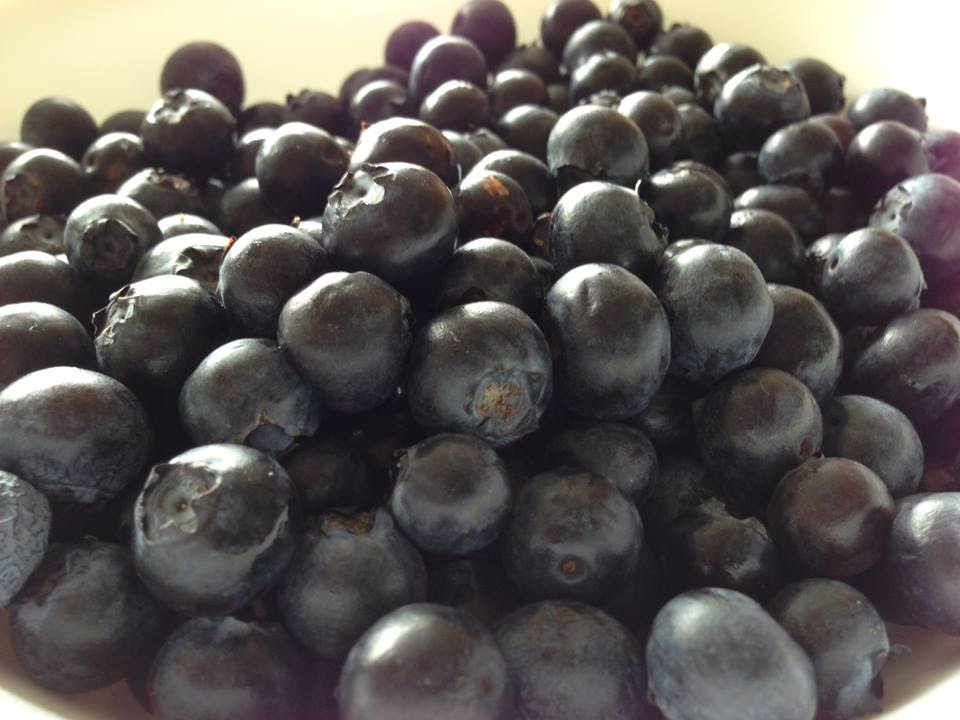
BERRIES

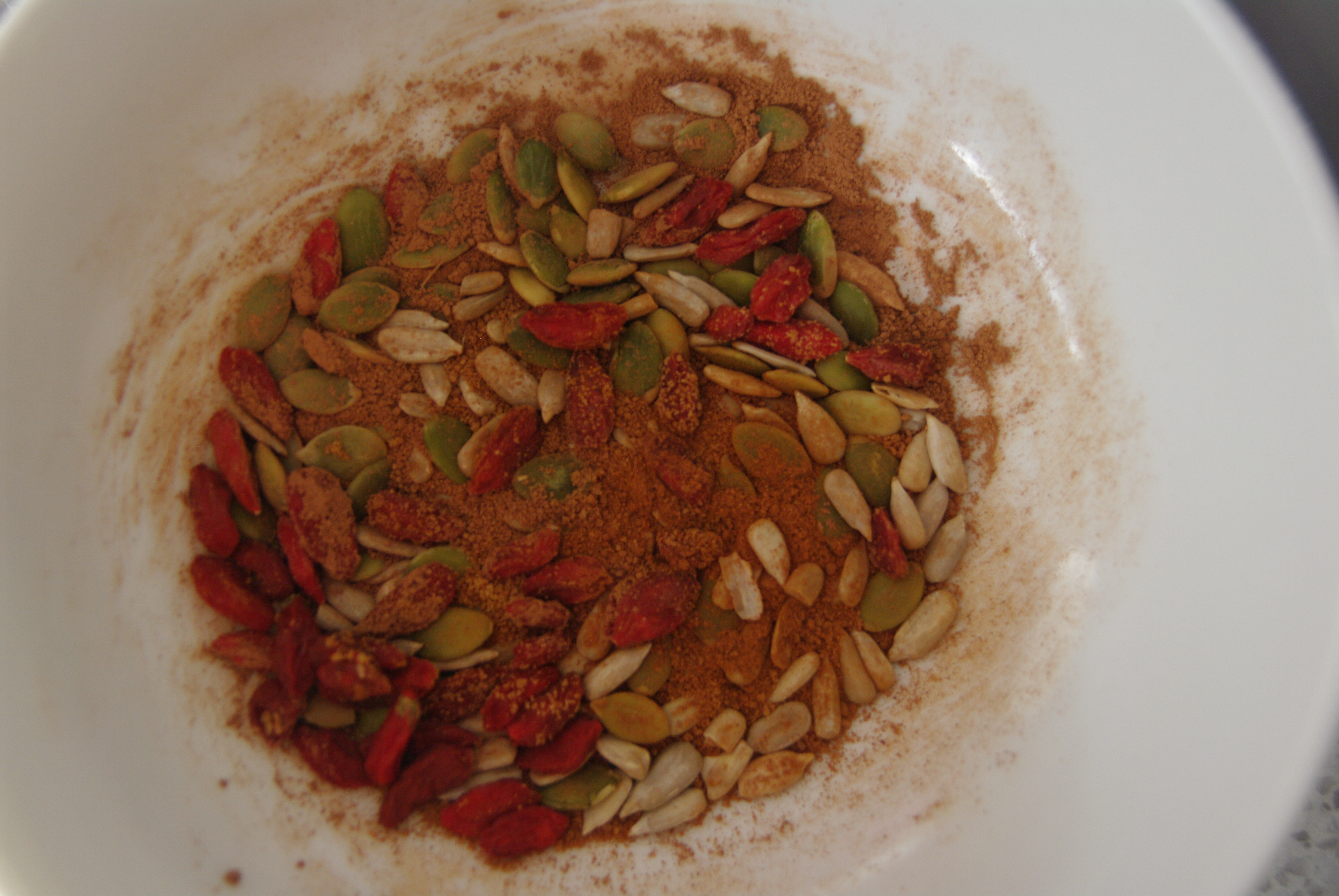
Berries are high in anti-oxidants and  have been found to have many other helpful functions as well, from anti-cancer and anti-inflammation to reducing muscle soreness after exercise(if you eat the berries prior to the exercise).  We have just added them to our diet, by adding them to our morning porride(frozen blueberries or fresh strawberries).  Berries, beans and greens may be the best things for us to eat on the planet! BREAKFAST PORRIDGE We eat a lot of porridge!  Rolled Oats and water(well actually, unstabilised organic oats and water) with lots of other stuff chucked in the bowl.  We add: – ground flaxseed(we don’t have a grinder at the moment so we are adding wheatgerm instead) – cacao nibs -blueberries – banana – sultanas – cinnamon -sunflower seeds -pepitas (pumpkin seeds)

IMGP8219Tastes great, lowers cholesterol from all of the fibre, shoots up anti-oxidants levels to counter DNA damage caused by free radicals which are created just by sitting around breathing, let alone doing anything, has  short chain and therefore long chain fatty acids for the old brain, seeds for mood and fat for digestion and slow release of energy from all of those complex carbs or starches.  What more could you want!! Lunch is rye bread and peanut paste, home made vegan cake and a couple of apples and dinner is some staple(pasta, beans, lentils, rice, potatoes) with a combination of veggies and herbs and spices.

A couple of other tips.  Broccoli  has great anti-cancer properties but it  needs to be cut up 20 -30 minutes before it is cooked to maximise this.  This is due to enzyme is able to do its work and assist chemical reaction to produce the anti-cancer substance.  Similar story for garlic: crush 10 minutes before use.

Enjoy food, enjoy life!

KISS(keep it simple, smart)

Many,  many years ago, I had a social work student, who introduced me to the saying, keep it simple, stupid, meaning there is no need to make things sound complicated or seem complicated-just cut to the chase as they say.  So,  amongst the mountains of information and misinformation out there(you’ll have to make your own judgement as to whether you think what I am about to say is misinformation! ) I want to make it really clear what you should and shouldn’t be eating for good  health, energy, enjoyment of life and longevity.

Forget all of the jargon, complex carboydrates, trans fat, saturated fat,  protein, amino acids, glycaemic index, omega 6, omega 3 etc etc.  What should I put in my mouth and what shouldn’t I put in my mouth?

What to put in your mouth

  • fresh fruit and vegetables and as many different kinds as you can get and can afford.   This is because different fruits and vegetables have different chemical composition and offer different benifts, so the more variety you have, you are giving yourself the best mix of good things for your body.
  • As many leafy greens as you can get-leafy greens are not just spinach but things we never ate as kids, such as kale and rocket.  Leafy greens are very high in anti-oxidants.  The old favourites of brussel sprouts and cabbage are really leafy greens
  • If you just live on veggies and fruit you are never going to get enought to fill you up, so lots of staples as the bulk of your meal.  This is things like rice, lentils, beans, oats, potatoes and sweet potatoes.  The best foods for you on the planet could well be beans, greens and berries.   Berries can be expensive but the other two are dirt cheap.  Much  cheaper than meat,   for example.
  • Drink water, green tea, tea, chai, roobois or any flavour herbal tea you like.  Keep coffee and alcohol to a minimum.  We have recently started drinking coffee with a mix of three quarters decaf and quarter caffeine, once/day maximum.

What not to put in your mouth

  • meat, eggs, milk, cheese, yoghurt, fish and chicken.  There are very many reasons(refer to other bogs or nutrition facts in sidebar) but the most important ones are all of these things contain high levels of fat, cholesterol and protein(yes, high levels of protein are bad for you)
  • any processed food, so this means anything from a factory or a takeaway shop.  Besides containing the nasties listed in the first dot point, these foods are high taste foods and they have been developed that way quite deliberately, so that people want more of them.  High taste is made by being high in fat, sugar and salt(perhaps all three at once!)  The other problem with  these foods is that they tend to have a lot of chemicals added to them, hydrogenated vegetable oil(trans fat) or isolated nutrients from other foods.  These things are all bad for your health.
  • health drinks, slimming powders, protein powders-these are way more expensive than food and are chemical  concoctions.   The only chemical concoctions that are safe to eat , are the ones that nature made.

What does this mean for you?  Never eat anything from your work lunch room, morning tea or shared work lunch.  Always bring your own food.

What do I eat in a day?

For breakfast I have porridge made out of water and oats(with lots of extras I will talk about in another blog)

For lunch,  I have rye bread(if I can get it, where I am living) or wholemeal(good bread is the biggest problem if you are living in the country) with peanut paste(just 100% peanuts no other indgredients), homemade cake made with apple and no sugar and a couple of apples.

I drink chai and roobois during the day at work and coffee as described above when I get home.

Dinner is a mixture of a staple and veggies, or noodle  soup or pasta or anything that Julie dreams up or gets off of the web, or from her daughter, Sarah or the cookbook, usually followed by a piece of cake.

As an aside, this food powers me through running  80 -100kms/week at the moment, weights and exercises, full time work and with lots of energy left over!

So,  it is not rocket science to eat well or to know what to eat.  Don’t  worry about all of the debates about carbohydrate and protein and glycaemic index and which fats are good for  you and which ones are bad for you and is fish oil, going to save everyone on the planet from every illness ever known.   Just eat fresh, whole plant foods:  that’s it!

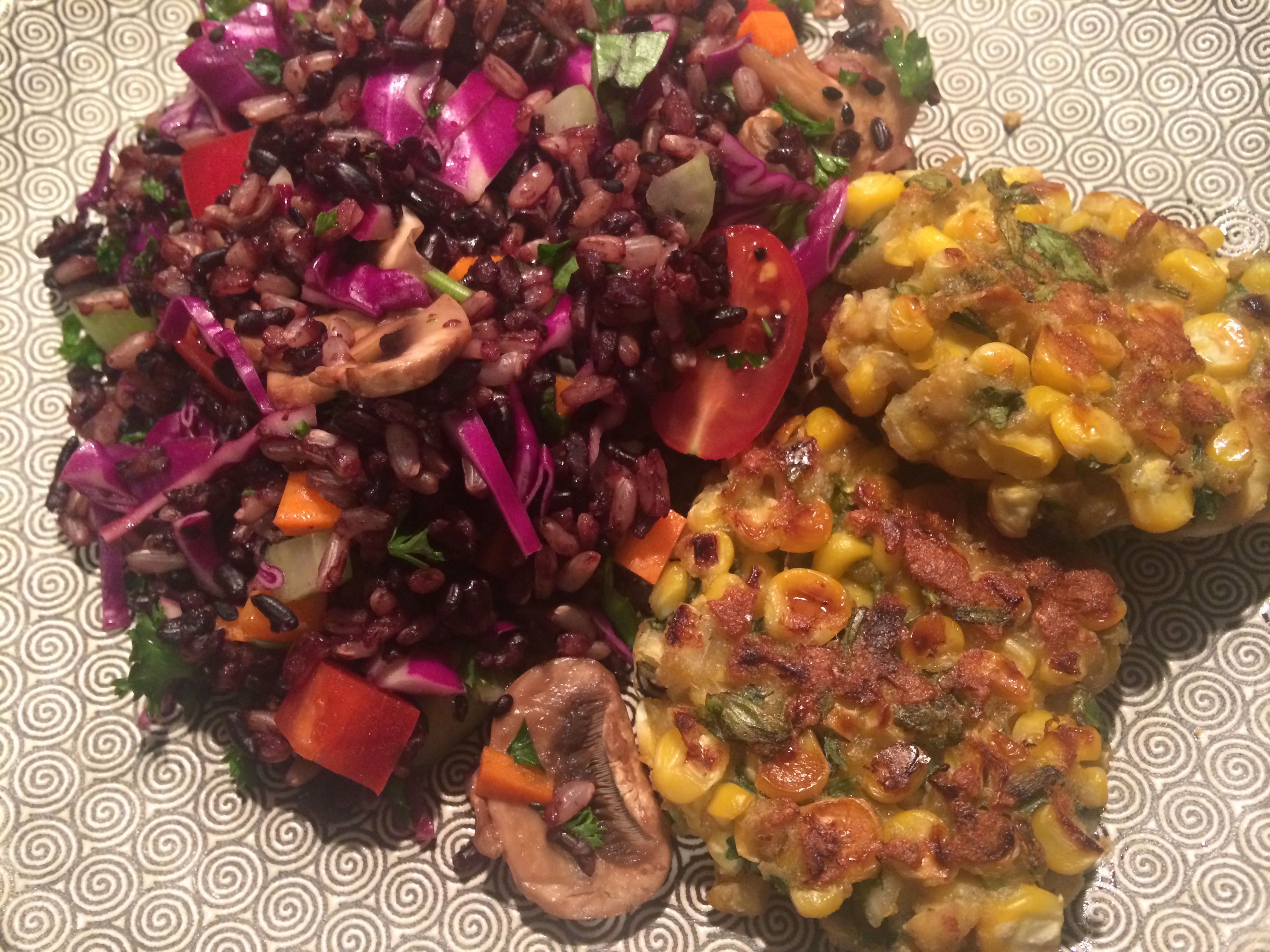
Sarah’s corn cakes and quinoa salad

blog corncakes