Category Archives: fibre

Everybody is talking about poo!

Driving to NSW recently the Health Report on Radio National was talking about poo.  I went for a walk with my son recently and he mentioned an article he had read, about faecal transplant to overcome some inappropriate immune response disease.  Then a work colleague mentioned the Catalyst programme on ABC TV recently which was again about faecal transplant for weight loss,  I think.  And of course,  Nutrition Facts,a website devoted to bringing the latest in nutritional research (link in side bar) is run by Michael Greger and he seems to have a fascination with poo.  A quick search on his website using stools as search term brings up twenty (20) videos.  http://nutritionfacts.org/video/microbiome-the-inside-story/ is perhaps the one to start with to give you an overview, if you haven’t caught up with all of the excitement.

Unfortunately, the ways to make money  out of the latest research, are the things to get attention.  So what gets attention is buying pro-biotics, eating yoghurt with certain pro-biotics or having a faecal transplant (having  someone else’s poo stuck in your bowel).  As usual when the sickness system( health system) gets involved in making money exercises, the costly solutions pursued,  only address the symptoms, they don’t address the problem.    After all, their is no money to be made out of people getting better ( that’s why their is very little research going into developing new antibiotics even though animal agriculture is rapidly developing antibiotic resistance, by using more antibiotics on factory and intensively farmed animals than are used to treat infections in humans.  No research into new antibiotics, as you only take them for two weeks or less-the big bucks are in something you need to take for the rest of your life, like a statin for cholesterol or diabetes medication.  In other words, chronic illnesses).
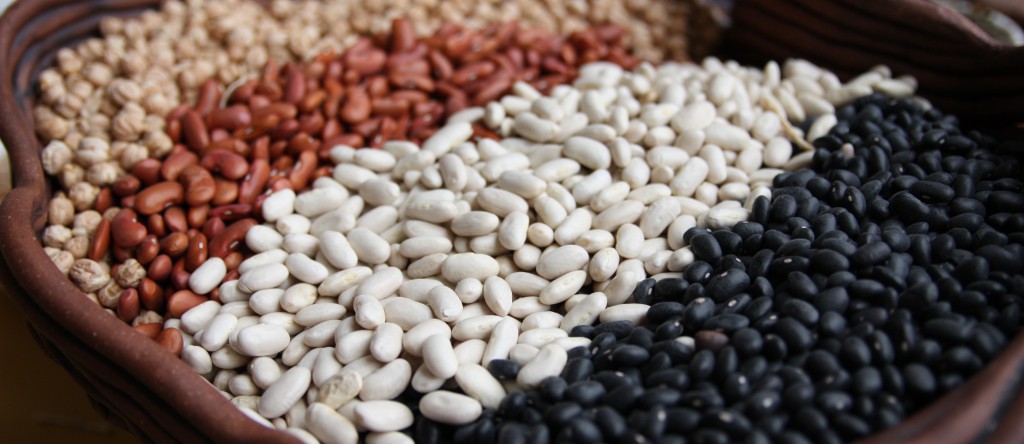
beans may be the healthiest food on the planet

Having good bacteria in our gut and bowel has been causally related to a great number of surprising things to do with our health:

  • positive mood
  • mental health
  • artherosclerosis or your blood vessels becoming blocked which relates to heart attacks, stroke, impotence and sexual pleasure (yes, women need good blood flow for an orgasm), dementia
  • high cholesterol (good bacteria come from eating a lot of fibre, that is plants, which is the only place fibre is found.  One of the effects of fibre is to increase stool frequency and size, flushing toxins and cholesterol out of our body.  If we have a small amount of fibre the length of time waste/toxins stay in our body increases, which leads to them being  re-absorbed
  • no bowel problems such as all of the conditions relating to inflammation of the bowel (Crohns Disease, Irritable Bowel Syndrome, Ulcerative Colitis, Diverticulitis) and a greatly reduced risk of bowel cancer
  • reduction in  chronic, low level inflammation in the body generally.  This type of inflammation is causally related to many if not all chronic conditions including cancer.  see inflammation as an agent in angiogenesis, which is the provision of a blood supply to cancer cells, so that they grow.

The solution to our gut bacteria being healthy and therefore us being healthy, is to eat a shit load of fibre.  The only way to do that, is to eat a shit load of beans, rice, lentils, etc and fruits and veggies.  No animal food has any fibre.  Worse still, different unhelpful bacteria are promoted in our gut, by eating animals and animal products like milk and eggs.  This is because bacteria are living organisms and like all living things they need certain conditions in their environment to live.  There is no point in planting a rainforest tree in the desert and expecting it to live a do good things for you.  It is going to die.  It is the same with bacteria -they need the right conditions to live and multiply.

This is why having a faecal transplant or taking pro-biotics is a waste of money, unless you also change the conditions in your gut, by eating lots of fibre.  Fibre will provide the conditions  where they will live and multiply.   If you don’t change what you eat, the result will be that you are shitting money down the toilet, because you are just attacking the symptoms, not the problem.

The type and quantity of the bacteria in our gut can be changed within a few days by changing what we eat.  Changing what we eat by changing the amount of fibre, changes the conditions, which means some bacteria live and multiply and others die.

The other reason that adding good bacteria to our bodies either by faecal transplant or pro-biotics is not the right solution,  is that there are a huge number of different species of bacteria and we don’t even know what they are and how they work.  A few species have been identified and there is some idea about which ones that we know about seem to go together to promote health.  But there is much more that is not known about the bacteria in our gut, than is known.  (There are 10x as many bacteria cells in and on our body than there are human cells, so that gives some idea of the complexity).   This means that we could be paying good money for what is not the optimal mix of bacteria, as we don’t actually know what that mix is.   Remember that if we don’t change the conditions in our bowel by eating more fibre, we are just flushing our bowels with good bacteria and quickly flushing dead good bacteria down the toilet, as those good bacteria can’t live in the wrong conditions.   This is why fibre is sometimes called a pre-biotic.  It precedes the pro-biotics by creating the right conditions for their growth naturally, without having  to be seeded by a purchased pro-biotic- it will just  happen like it has been happening for 100’s of 1000’s of years.   The simple answer is eat lots of fibre/plants and the body will produce the right bacteria in the right proportions and we’ll be right.


Our body is always trying to do the right thing by us.
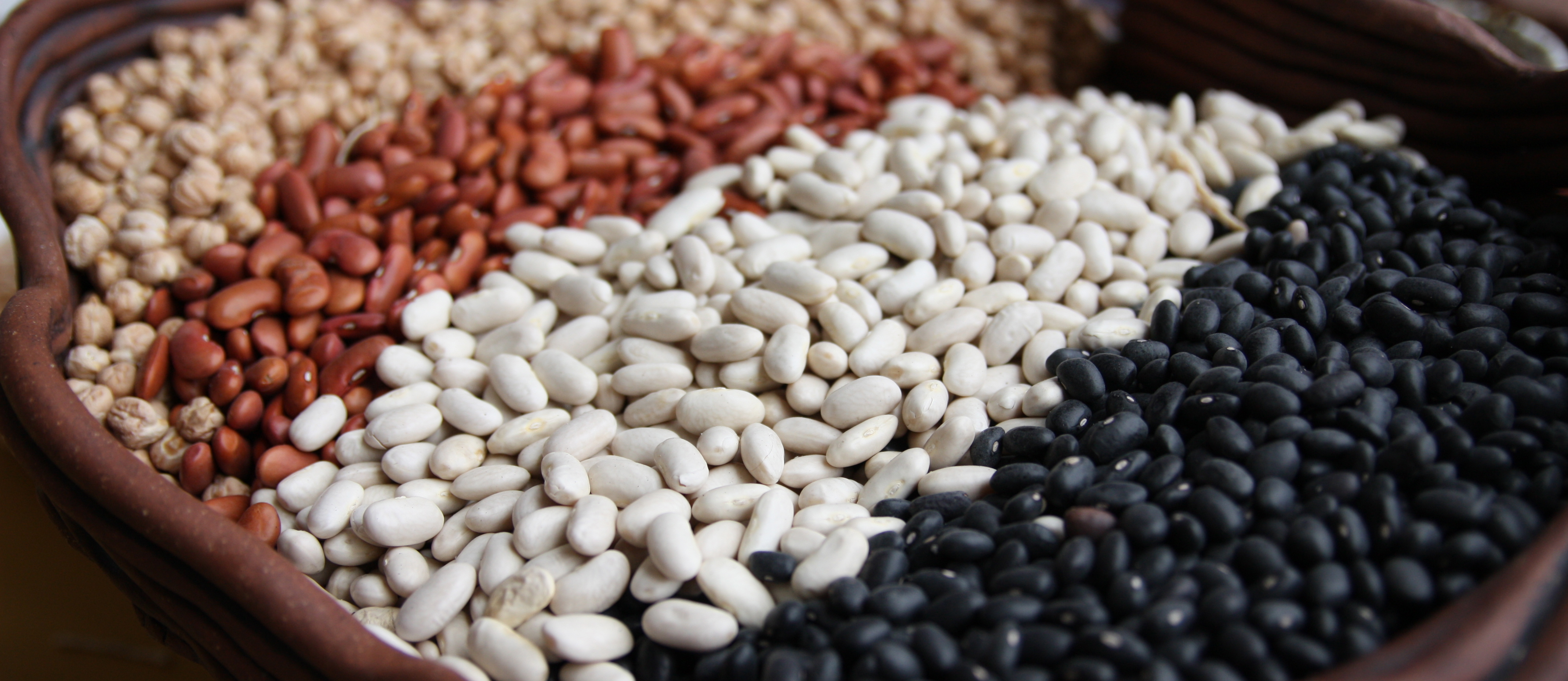


fibre is your friend

Scientists are starting to think of human beings as a “super-organism.”  That is, we are not one single organism living in isolation.  We as an organism, are dependent on the millions of other organisms (bacteria) that live in our gut.     What we eat changes the species composition of the bacteria, which live in our gut.  The more fibre, the more friendly or helpful the bacteria.  We feed them from the food we eat and their waste products play helpful roles in our metabolism.  For example,  a short chain fatty acid produced by these bateria reduces inflammation.  Chronic low level inflammation is at the base of many of our most serious killer diseases including cancer.  (see Dr Greger’s Nutrition Facts for more information).

As I have mentioned in previous blogs, if  we have a low fibre diet, that is a diet  high in meat and dairy with the occasional potato chip and limp lettuce, we have different bacteria in our gut, than if we have a high fibre diet.  These bacteria take choline and carnitine present in animals and convert it to a substance called TMAO which is laid down on the lining of our arteries, leading to blockages of our blood vessels.  Blockages lead to heart attacks and strokes.

To get gut bateria that are helpful to us, eat a lot of fibre.  Many people these days are aware of the value of good bacteria and are purchasing pro-biotics.  This is an expensive and never ending solution, as the good bacteria in these pro-biotics need to keep being replaced as they are put into a gut that is hostile to them, with not enough fibre for them to eat!  So, they perish.   Cut to the chase and eat a high fibre diet ( whole plants, like beans and veggies) and have the right food and environment for our bacterial friends.

beans, oneof the triumvirate of great foods: Beans, greens and berries
beans, oneof the triumvirate of great foods:
Beans, greens and berries

The fibre/gut bacteria story is only just starting to unfold and it is becoming clear that our gut bacteria have a profound influence on our health.  The emphasis at the moment, is in relation to auto-immune diseases, where our body creates inflammation and attacks itself inappropiately.   These are diseases like asthma, multiple sclerosis and cancer.  My  feeling, is that the gut bacteria story is going to cover many things in the future.   It is already known that overweight people have different gut bacteria to people of a healthy weight.  Amazingly, if the gut bacteria of a healthy weight person are placed in an overweight person (don’t think too much about the route and method but suffice to say it involves faeces!), the overweight person loses weight.   This highlights the importance of growing and supporting good bacteria in our stomachs.   Fortunately,  it is simple, eat whole  plants.

A painless and enjoyable way to lose weight is by eating more plants.  This is because, by eating more plants we are  eating more fibre and as a result  less calories(The Starch Solution).   Most people eat about 10-12 gms of fibre/day and we should be aiming for 40 -50 gms/day.   For every 14 gms of fibre we eat/day, we  taken in 10% less calories/day.  This is because fibre is very filling, so we don’t feel hungry and fibre passes through us, giving up not all of its stored energy (calories) along the way.   If we get to 40 gms/day fibre on an average 2000 calorie intake/day, w e will have dropped to 1680 calories/day, on the basis of 10% less calories taken in for every 14 gms of fibre taken in.    This is a 320 calorie/day drop.  Walk for an hour/day for our mental health and we might, depending on our weight, use up 400-500 calories.   So, that’s around 800 calories/day.  Do that for 3 months and that’s a lot of calories.  The best thing is that this can be done without feeling hungry, as fibre is filling!  Not to mention the fat and sugar  we are not eating, which was  in the processed food that we were eating, before we started eating all of those veggies, beans and fruit.  If we wanted to lose weight quickly, we could cut out the fruit, as well.  (See McDougall’s Maximum Weight Loss Diet)

Foods  high in fibre, for example beans, are harder to digest than say a hamburger, so our body uses up more energy (calories) in digestion and gives off more of the energy in the food, in heat.  In other words, are engine (metabolism) is ticking over quicker.  When we eat whole plants we notice this by our increased levels of energy and our improved mood. (check out this video  to see how much fun eating veggies can be!)  In comparison to whole plants, (plant foods have almost no fat)  only a small number  of calories in fat are used in digesting fat, which is why the fat we eat is the fat we wear!

As I have mentioned in previous blogs, eating lots of fibre keeps us regular in terms of bowel movements, with a transition time of 24 hours or less, not days or even weeks!  A quick transit is good as there is less time for harmful stuff, like excess cholesterol and toxins, to be re-absorbed back into the body, which is what happens if there is a slow transit of our waste products.

Fibre is our friend.  It fills us up and cleans us out!  We need never go hungry and we can feel good about eating, as we know every bite is doing us good.  No more guilt and regret about eating, as eating is a natural, enjoyable and rewarding experience.

Fill up on fibre!

bowel movements, eating plants, exercise and health

I wanted to call this blog something like, “the good thing about getting the shits!”, but I am conscious of the fact that the title of each blog is how search engines find it, so I wanted to make it search engine friendly.

This topic came to mind this morning as I hadn’t ran for two days and  went for 11.4 kms this morning, on  beautiful  Cable Beach Broome, Australia.    Within an hour of the run, I had a bowel movement.  This happened even though I had three bowel movements the previous day and one before my run!

As someone who eats only plants and  almost no processed food(that is de-fibred food with added sugar, salt and fat from a factory or take away chain) my bowel movements are regular, substantial and easy to produce. (non – ease of production, that is forcing leads to varicose veins, haemarroids and hiatal hernia, coming from all of the blood being forced around our body over a long period of time, due to all that straining!)    Medical professionals need a classificatory system, a taxonomy of pooh, so that there is a standardised way of talking about bowel movements and everyone is talking from the same page, so to speak.  Nurses frequently in hospitals have to look at our bowel movements and report on them, as an indicator of our health and the taxonomy they use is the Bristol Stool Scale.    I like all  vegans who stay away from processed food, you will be happy to know, have bowle movements categorised as a 4 on the scale, right where you want to be.

It is not however, just the  quality of our bowel movements that is important, it is also the quantity.

And last but not least the speed of transit, through our gut to our bowel is also important.  One way to  test whether  your bowel movement today relates to what you ate yesterday or 3-4 days ago, which is where most people are at, is to eat a lot of beetroot.   Just sit back and wait to see how long it takes for your faeces to  turn red and you have some important information about the  health of your intestinal system.   You will have improved your intestinal system by eating a lot of beetroot, which has a lot of fibre, which is only found in plants.  Fibre is what is neccesary to have good bacteria in our

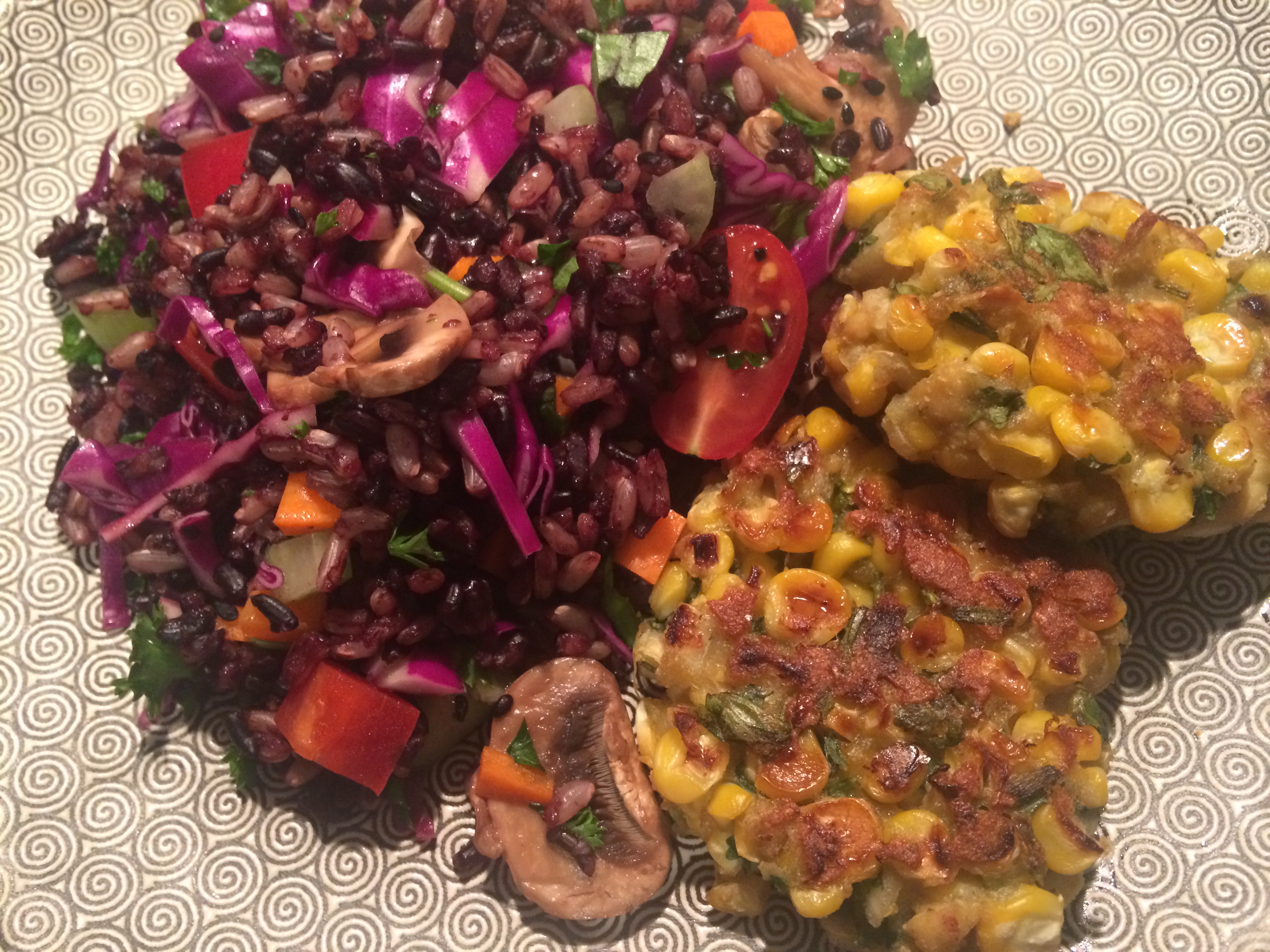
high fibre tasty meal

gut and good bowel movement.  For the curious,  it takes 16 hours for my faeces to turn red.   It shouldn’t take any more than 24 hours.  If it does, eat more fibre and  get more exercise.  Fibre, meaning eating more unprocessed plants or whole food plants is the main thing though.

So, even though, I tick all of the boxes, quality, quantity and speed of transit, my bowel movements are still improved by exercise!   The exercise doesn’t have to be running an hour/day, just walking every day will do it.  I used to lead off track bushwalking trips for a few weeks at a time, consequently the diet was largely plant based and of course, we were walking everyday, approximately 10 kms (this far would not be necessary to improve bowel movement).  After a few days, people invariably started discussing the extent, nature and urgency of the bowel movements they were experiencing compared to their life pre-trip.

Plants and exercise work wonders!!