Rest easy in your bed! To lose weight, it is not necessary to exorcise the demons in your personality (we all have those!) or suddenly discover previously undiscovered and unknown reserves of will power.   Certainly don’t take amphetamines in terms of stimulant medication that the drug companies want to sell you to lose weight, or consume isolated protein from calf food in the form of whey protein powder to stimulate fat burning.
You yourself may have done these last two, or known someone who has, who at the same time, or a short time later is eating Tim Tams or McDonalds!
No, it is not necessary to change your personality, overcome your depression, love yourself more, repeat affirmations, notice your triggers, block your thoughts or discover the meaning of life.
What is required to lose weight? Change what you put in your mouth! Not how much, but what. It is possible to lose weight permanently without going hungry and without exercising.  So, losing weight is 80% biology, 10% psychology and 10 % information and support. (I just made that breakdown of %’s up, but I want to emphasise biology is the boss)
The two 10%’s of psychology and information are crucial as without them, the 80% biology coming from what we put in our mouth, won’t get a chance to work.  This is because we have all been brainwashed that carbohydrates make you fat, you have got to have meat for protein and iron and you have got to have dairy for calcium.  All of these statements are completely false.  When I was learning to be a therapist, we used to believe that the solution to a problem is likely to be 180 degrees, the opposite from the solution that was currenlty being applied.  It was likely that the solution being applied was the problem!  The same line of thought can be applied to the health industry and health promotion. It is likely, the correct solution is in the opposite direction from what the mainstream is telling us.  Anyone who thinks that increasing amounts of drugs and interventions is going to lead to health is heading 180 degrees in the wrong direction!  Anyone who thinks that meat, dairy, eggs and fish are good for you, has the wrong information. I think everyone knows that processed and take away food is bad for you, even though most people continue to eat it. We have been brainwashed from a young age that meat, dairy and eggs are good for you. It is only recently that the fish mania has taken hold that the idea that fish is good for you and fish oil will cure everything is everywhere.   Vegan women have more long chain fatty acids when they have none in their diet, than women taking expensive fish oil supplements! This is because long chain fatty acids can be manufactured by the body, from short chain fatty acids which come in plants.
PSYCHOLOGY OF WEIGHT LOSS
The psychology of weight loss is pretty simple: motivation. We will not do anything unless we want to. So, it is very important to get really clear about why we want to. Unfortunately, we are also pretty lazy or if you want to be kinder in the description, we get stuck in habits.  This just means we do the same old thing over and over: we take the line of least resistance.  This means to make a change in what we put in our mouths takes a bit of effort, so we have to have a good reason to do it. Unfortunately, we being who we are, we often leave it until things get really bad and we have got really sick.  It is possible to do this( that is wait until you are really sick) but it is crazy, as you are really rolling the dice with the odds stacked against you. In fact, waiting until you get sick if you are overweight or obese is like waiting until you get lung cancer, to stop smoking. Now of course it is possible to smoke all of your life and not get lung cancer, but I wouldn’t like my chances.  You mightn’t get lung cancer but you might get eye damage, circulation problems, stroke and so on. In other words, smoking is straight out bad for you, as is being overweight.
The Health Report on Radio National episode of 3/11/2014 covered research on the effect of being overweight as measured by BMI(body mass index), in relation to admissions to hospital. Basically, the more overweight you are, the more likely you are to be hospitalised ( and given what we know about how dangerous hospitals are, in terms of infection, mistakes and the negative effects of treatment, this is not a good thing!) The research shows that in NSW in terms of days in hospital for people over 45 years of age, 1 in 6 of all hospital days on a population level, are in relation to people who are overweight. On a population level, there was almost a direct line between how overweight a person was and how many days they spend in hospital.
Essentially there are three possible reasons a person would want to lose weight: for their health, for the animals and for the environment.  Animal agriculture is the leading contributor to greenhouse gases and global warming, not to mention, the contribution to water pollution and water consumption. If you stop eating animals or animal products and eat a whole food plant diet, then if you are overweight, you will lose weight.
People are unaware or turn a blind eye to the massive cruelty and death involved in eating animals and animal products. Every day driving to work I see death trucks full of sheep or cattle, heading for the abbattoirs. Even at this very simple level they are crammed into the trucks with no room to move, with the ones on top, no choice but to urinate and defecate on the ones below.  I believe a great many people if they were properly informed and thought about the cruelty involved in farming and slaughtering animals for food, they would cease to eat meat, eggs and dairy.   Pig production, eggs and chicken are the cruellest for the animals and the worst for our health (due to the overcrowding of the animals and the opportunities that provides for the mutation of viruses-think swine flu/bird flu-and the use of anti-biotics).
Whatever our motivation, if we get informed and think deeply about it, we will start to change our view of what could be called food: that is what is desirable to put in our mouth for enjoyment and to nurture and fuel our bodies. If we know and have thought about all of the various ways animals are cruelly treated in meat production for example and the multiple pathways that meat is bad for our health, then meat will no longer be desirable to us. We won’t be denying ourselves anything. In fact, we will be embracing our own life and the lives of other living things. Everything we put in our mouth, we will feel good about and it will make us feel good.
BIOLOGY OF WEIGHT LOSS
I have covered this issue in earlier blogs. If you want more information go to the work of Nathan Pritikin, Neil Barnard, Colin T Campbell, and John McDougall.  There is tons of good information out there! If you are the sort of person who would like a structure to enter into, to start your new directions, sign up to PCRM’s 21 day vegan kickstart programme.
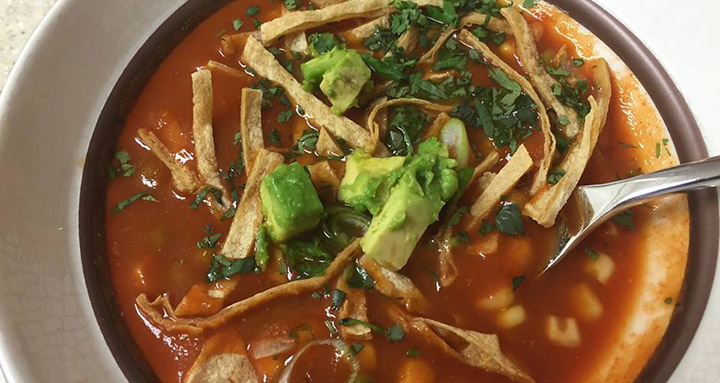
In a nutshell, weight loss is biology, as irrespective of how screwed up we are, if we put the right food in our mouth we will come to our optimal weight. The right food is whole food plants: fruits, vegetables, grains, seeds, legumes,nuts and beans.
Why will eating these foods lead us to move to our optimal weight over time?
- they are low in calories and high in nutrients.  They have all of the things that our body needs to be at optimal health: fat, protein, complex carboydrates, vitamins, minerals and the 1000’s of helpful chemicals that only plants have.  Why are these foods low in calories? Because the great majority of them are low in fat, low in sugar and high in fibre (fibre has no calories,is very filling and is great for the bacteria in your gut, which is good for your immune system and your mood!)
- Most people are eating the opposite of this. They are eating food that is high in calories and low in nutrients.  This is because people’s intake of processed and take away food is high (think of the biscuits, snacks and cheese that people eat). This sort of food is high in fat (added and naturally occuring), high in sugar ( added and naturally occuring) and high in refined carbohydrates (carbohydrates stripped of their goodness and fibre or broken down into simple sugars). Almost everyone eats processed food (factory food) even if they don’t eat takeaway.  Then when you add meat, fish, eggs and dairy on top of that, you are adding another load of fat. The fat you eat is the fat you wear! And don’t be fooled by the skim milk we are drinking. Cheese consumption has skyrocketed in the last 50 years.
- We will eat less calories, as starches(complex carbohydrates) are very filling, so we feel full. On top of that 15% of complex carbohydrates are lost in heat through digestion, whereas only 3% of fat is burned up in digestion, before it is deposited as fat on our body.   There is so little conversion of fat from our mouth to where it is deposited on our body, that analyiss of the fat on our body can reveal what we have been eating, by revealing where that fat has come from: meat, fish, dairy or nuts, forexample.   If we eat whole food plants, we feel full and a lot of what we feel full with is fibre and water, neither of which have calories, therefore no excess energy to be converted to fat.
- As well, eating complex carbohydrates speeds up our metabolism, as compared to eating animals or animal products. This means just sitting around doing nothing, we are burning more calories.  This is particularly helpful, as if we are overweight and we try to lose weight, the body wants to hold on to that weight, particularly if we try to lose weight by eating less.  The body ‘thinks’, hard times are coming, I need to hang on to this stored energy.
- If we eat whole food plants, we will naturally feel more energetic and start to move more. Clearly, the more we move, the more calories we consume. As we lose weight, we will feel more like moving.  It is not good to do weight bearing exercise when you are overweight, as it can cause damage to your joints.
- eating plants we are eating fibre. Fibre is a pre-biotic, which helps grow pro-biotics good bacteria. Believe it or not, good bacteria mean we extract less calories from the food we eat. Check out the latest information on gut bateria and calorie extraction from our faecal matter. This is a booming area of research.
See this news from Physicians Committee for Responsible Medicine in relation to recent research about weight, diabetes and plant based diet.
Plant-Based Diets Deliver Improved Care and Digestive Health to Individuals with Diabetes
March 20, 2015

The bacterial environment of the digestive tract may contribute to obesity and diabetes, according to a review article in the publication On the Cutting Edge, by the Diabetes Care and Education practice group of the Academy of Nutrition and Dietetics. Continuous exposure to low-grade antibiotics in the food system, long-term antibiotic use, or poor dietary choices may cause dysbiosis, an imbalance of gut bacteria. This imbalance can lead to increases in both the number of calories the gut takes from food and inflammation, which increases risk of insulin resistance and leads to changes in metabolism that contribute to fat cell growth. Adopting a plant-based diet is one way to decrease exposure to antibiotics and help balance gut bacteria.
A whole-foods, plant-based diet is also highly effective for the prevention, treatment, and management of diabetes, according to another review article in the same publication. While common advice for diabetic patients includes counting carbohydrates and cutting calories, both observational and interventional studies support the effectiveness of a plant-based diet to reduce insulin resistance, lower blood pressure, shed excess weight, and improve blood sugar control, despite a higher carbohydrate load.
These results are consistent with previous research on plant-based diets and diabetes. To learn more about diabetes health, visit: http://pcrm.org/diabetes.
Jardine M. The role of microbiota in obesity and diabetes. On the Cutting Edge: Diabetes Care and Education. Academy of Nutrition and Dietetics. 2015;35:10-14.
Jardine M. Plant-based nutrition: a therapeutic option for diabetes. On the Cutting Edge: Diabetes Care and Education. Academy of Nutrition and Dietetics. 2015;35:15-20.
In Health
Gary
Well that pretty well sums it up.
thanks Sang. I am going to do one on medical treatment soon-when I get the energy/time