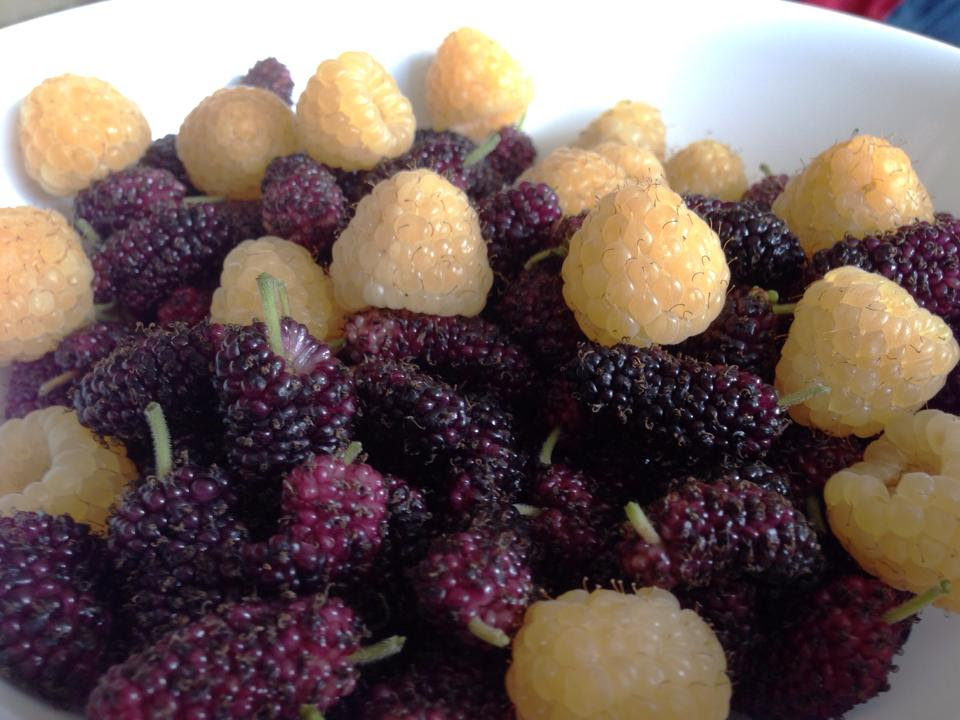
A work colleague asked me the other day what foods I would take to a desert island and if I could only take three things, what would they be?  I said, “beans, greens and berries†which are probably the healthiest foods on the planet.  They are all plants and so they have a myriad of helpful chemicals and the greens and berries are particularly high in anti- oxidants, those chemicals which counteract free radicals.  Beans have the benefit of being very filling, tasty, high in fibre and slowing the release of energy into the body (low GI) even to include the next meal, when beans aren’t eaten!
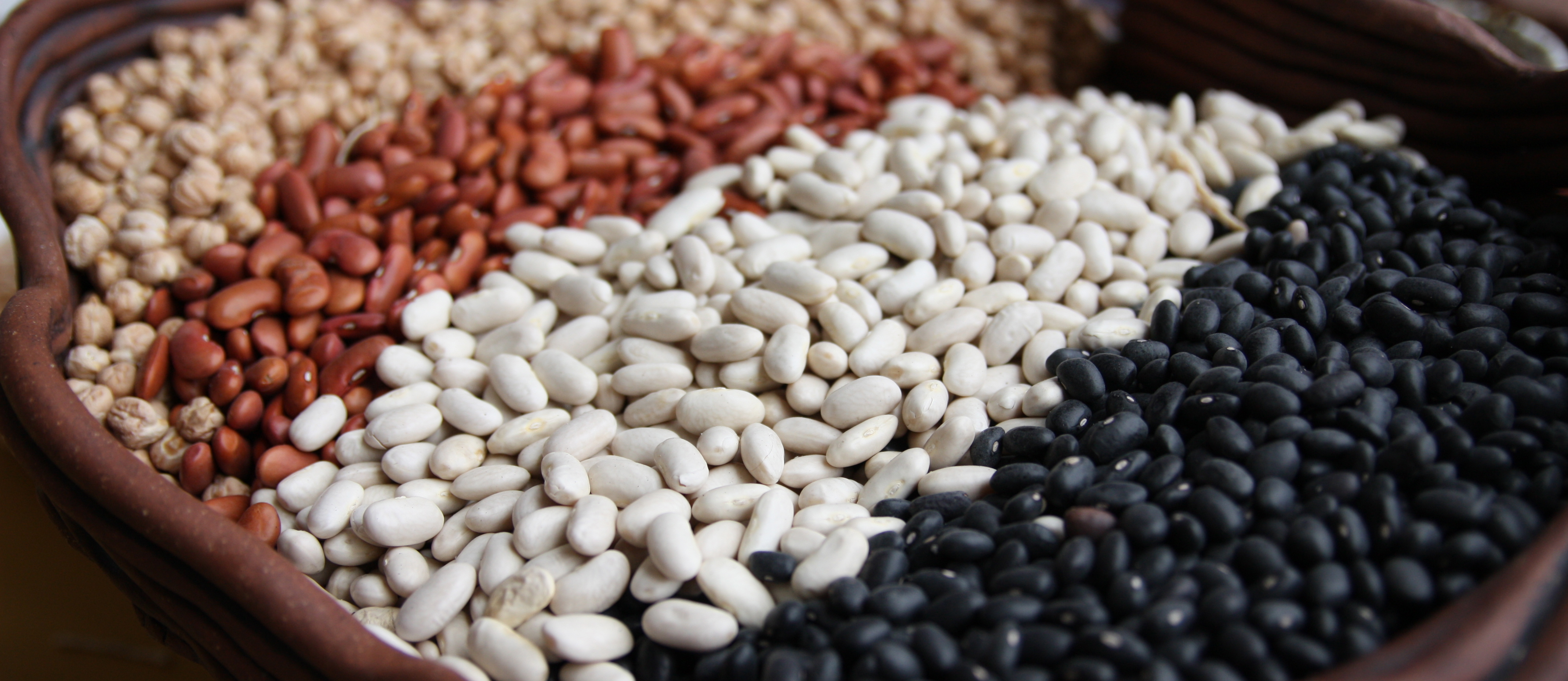
Beans, greens and berries
Free radicals are chemicals produced by the process of using oxygen to power the chemical reactions to release stored energy in our body. So, just sitting and reading this blog, you are producing free radicals which can be increasing the risk of cancer and speeding up ageing.
The fact that free radical production increases as the amount of exercise we do increases, has led some people to argue, that exercise is bad for you. (People love “good news†about their bad
habits and “bad news†about their potential good habits!)
However, the body is not stupid. The more we exercise the more the body ramps up it’s immune system response, counteracting the negative effect of free radical production.  Also if we are not in
antioxidant deficit like people eating the SAD (standard Australian diet-meat, dairy, processed food and take-away) then we have all the anti-oxidants we need to balance up the free radicals. Yep, you guessed it, by far and away the main place to find anti-oxidants is in plants, particularly fruits and vegetables.
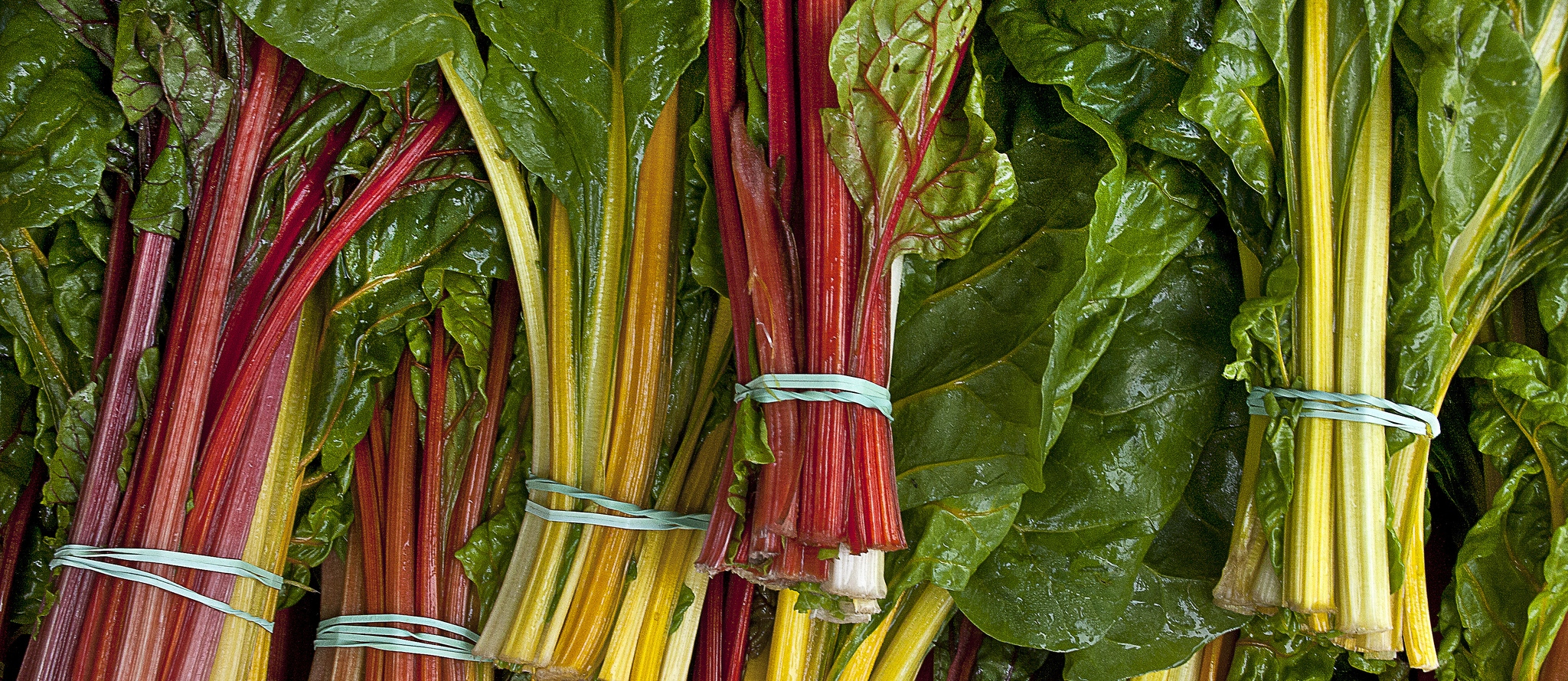
My colleague wasn’t happy with my generic list and wanted specific foods. I went for chickpeas, kale and mango(I know, mangoes are not a berry, but they pretty delicious!)  Her response was mangos are high GI, as if this was somehow a problem! GI is not a measure of food quality but many peoople consider that it is. That is, they think low GI equals good food and high GI equals bad food.   GI is simply a measure of how much the carbohydrate in a food increases blood sugar levels. What’s bad about a lot of sugar being released into the bloodstream after eating? Nothing as long as it is good food. A lot of sugar in the bloodstream leads to, insulin being released from the pancreas and the sugar is then stored in liver and muscles for future energy use. The problem arises in high GI foods if the person is already fat or they eat fat and sugar together (in other words processed or takeaway food or meat and dairy with a high GI food) Fat interrupts the uptake of sugar into the muscle cells .
A person eating beans and greens followed by mango would have no problem. Person eating just mangoes would have no problem! It turns out that mangoes are not a high GI food, with a GI between 50 -60.  On top of that they are a healthy food as they have fibre, good amounts of vitamins C, A and B6, beta-carotenes and other useful phytonutrients.  Eating high GI foods is only a problem if you are already sick in some way.  High GI healthy foods are good for you. What is a healthy food?   Any whole plant food, as these have fibre, protein, complex carbohydrates, small amount of fat or none at all and many helpful phytonutrients (helpful chemicals only found in plants).
The whole notion of GI as it is used and understood is suspect anyway as like most things, the picture is more complex than just GI. This excerpt from Wikipedia gives a good explanation.
“The glycemic index or glycaemic index (GI) is a number associated with a particular type of food that indicates the food’s effect on a person’s blood glucose (also called blood sugar) level. The number typically ranges between 50 and 100, where 100 represents the standard, an equivalent amount of pure glucose.[1]
The GI represents the total rise in a person’s blood sugar level following consumption of the food; it may or may not represent the rapidity of the rise in blood sugar. The steepness of the rise can be influenced by a number of other factors, such as the quantity of fat eaten with the food. (italics added)Â The GI is useful for understanding how the body breaks down carbohydrates [2] and only takes into account the available carbohydrate (total carbohydrate minus fiber) in a food. Although the food may contain fats and other components that contribute to the total rise in blood sugar, these effects are not reflected in the GI.
The glycemic index is usually applied in the context of the quantity of the food and the amount of carbohydrate in the food that is actually consumed. A related measure, the glycemic load (GL), factors this in by multiplying the glycemic index of the food in question by the carbohydrate content of the actual serving. Watermelon has a high glycemic index, but a low glycemic load for the quantity typically consumed. Fructose, by contrast, has a low glycemic index, but can have a high glycemic load if a large quantity is consumed.
GI tables are available that list many types of foods and their GIs. Some tables also include the serving size and the glycemic load of the food per serving.[2
A practical limitation of the glycemic index is that it does not measure insulin production due to rises in blood sugar. As a result, two foods could have the same glycemic index, but produce different amounts of insulin. Likewise, two foods could have the same glycemic load, but cause different insulin responses. Furthermore, both the glycemic index and glycemic load measurements are defined by the carbohydrate content of food. For example when eating steak, which has no carbohydrate content but provides a high protein intake, up to 50% of that protein can be converted to glucose when there is little to no carbohydrate consumed with it.[3] But because it contains no carbohydrate itself, steak cannot have a glycemic index. For some food comparisons, the “insulin index” may be more useful.”
In other words, whether mango has a high GI is irrelevant (it turned out it has a low GI). The questions is, is it good for you and the answer is an unequivocal yes!