Cancer is the big scare everywhere across society and the scare gets bigger the older one gets. Depending on who you listen to, between 30 and 60% of cancers could be prevented by diet and lifestyle, that is : don’t smoke
: don’t drink too much alcohol, preferably none, but at least no more than a couple of drinks/day with two days no drinking per week
: exercise twenty to thirty minutes/day where your heart rate is elevated. Just brisk walking will do it, but not wandering around the office for a couple of minutes at a time!
: reduce intake of meat, dairy and fish as far as you can manage
: increase intake of whole fruit, vegetables, whole grains and beans as far as you can manage
: don’t eat junk or processed food, that is take away or food like substances that make up most of the aisles in the supermarket. Processed food to me is anything made in a factory, with lots of ingredients.
: maintain a healthy body weight: that is a Body Mass Index of 25 or less. This will probably seem thin to you as our perceptions of what is normal body weight is growing as the size of the waistline of most people is growing. There are attempts to sugarcoat being overweight as being ok.  The bottom line is on a population basis, the more weight we carry, the greater our risk of getting cancer (and diabetes and heart disease and stroke and respiratory illness and arthritis and other joint problems and so on!)
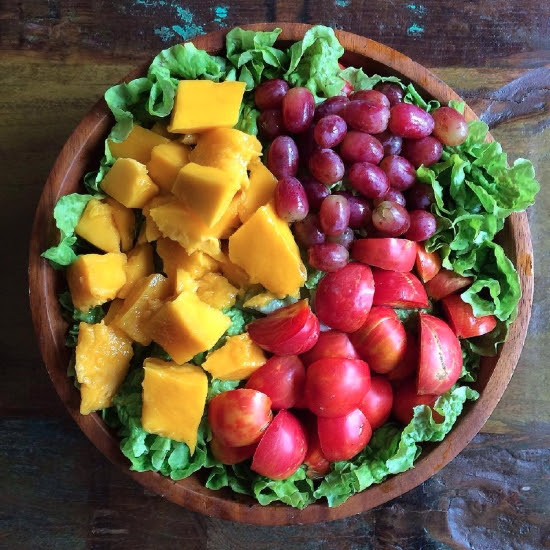
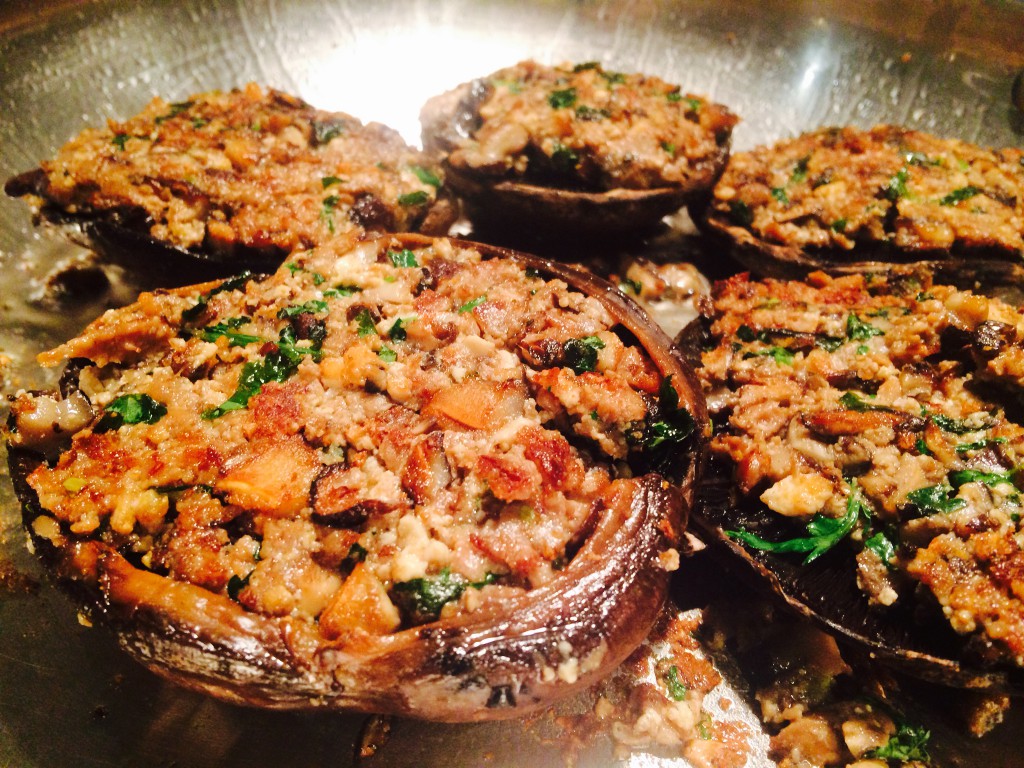
The great thing is if we change our diet to a diet that decreases our chances of getting cancer we get to eat food that looks like this!
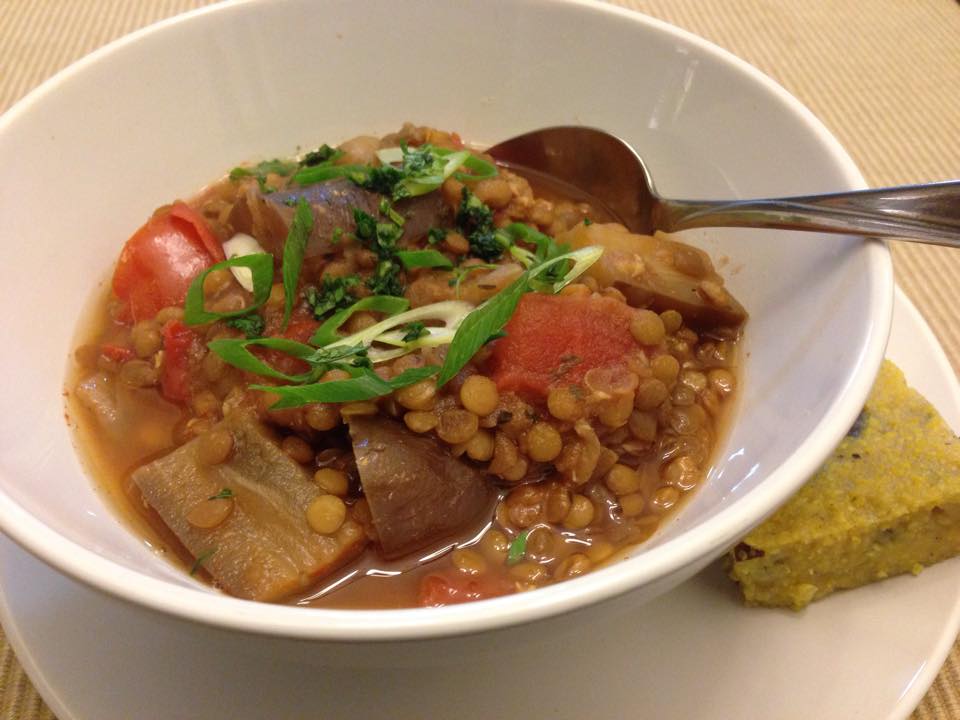
Rather than foods that look like this:
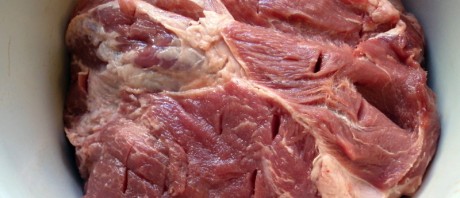
And we know that besides tasting great every mouthful of the top picture is doing us good and every mouthful of the bottom picture is increasing our chance of getting sick, reducing our quality of life and dying before we should.
The American Institute of Cancer Research ten recommendations for cancer prevention are:
Recommendations for Cancer Prevention

Publication Date: November 2007
These ten recommendations for cancer prevention are drawn from the WCRF/AICR Second Expert Report. Each recommendation links to more details. (go to the American Insitute of Cancer Research to be able to get the links)
- Be as lean as possible without becoming underweight.
- Be physically active for at least 30 minutes every day. Limit sedentary habits.
- Avoid sugary drinks. Limit consumption of energy-dense foods.
- Eat more of a variety of vegetables, fruits, whole grains and legumes such as beans.
- Limit consumption of red meats (such as beef, pork and lamb) and avoid processed meats.
- If consumed at all, limit alcoholic drinks to 2 for men and 1 for women a day.
- Limit consumption of salty foods and foods processed with salt (sodium).
- Don’t use supplements to protect against cancer.
- * It is best for mothers to breastfeed exclusively for up to 6 months and then add other liquids and foods.
- * After treatment, cancer survivors should follow the recommendations for cancer prevention.
*Special Population Recommendations
This is not the advice of some crazed fringe vegan but mainstream health promotion. Why are they saying this? Because the science is saying it and has been for 30 – 50 years.   All that is happening now is that the mechanisms as to how eating more plants and less animal products actually work, in terms of reducing our risk of cancer and other diseases is becoming clearer.  This is where things can get very confusing and their can be claim and counter claim. As Dr John McDougall says, ” what do we care about the intricacies of the mechanism or the pathway? Tell us what works”   One of Dr McDougall’s favourite sayings is, “Its the food!”
There is agreement on these broad mechanisms in relation to why eating animals and animals products increased our risk of cancer and why eating more whole plants decreases our risk of getting cancer which may be of interest:
- animal foods increase inflammation in our body and plant foods decrease inflammation. We are all producing cancer cells all of the time, but for them to grow into a problem, these cells need nutrients and therefore a blood supply. One of the functions of inflammation is to bring a supply of blood. We want to have the lowest level of inflammation in our bodies consistent with good health
- we have heard a lot about protein over our life. One of the avenues being explored for treating and preventing cancer is the restriction of two animo acids which are found in high concentrations in animal products and in lower concentrations in plants. These animo acids are methionine and leucine.
- Animal products have hormones in them, the same hormones we have as we are animals. These hormones can promote growth and cancer as we know is runaway growth of cells. Two hormones implicated in this are Insulin growth factor 1 (IGF-1) and oestrogen. This is where milk, cheese and yoghurt are such a problem as dairy cows are kept permanently pregnant to increase their milk production meaning there is elevated levels of oestrogen in the milk. Increased oestrogen contributes greatly to increased risk of breast cancer.
MISINFORMATION
Instead of the clear and simple steps that anyone can take as outlined above that are set out by the American Institute of Cancer Research the information in media here in Australia, in relation to cancer consists of misinformation. The main messages are:
- screening (this link is to a brilliant interview with Peter Gotzschke founder and director of the Cochrane Collaboration, which is the most respected voice in relation to best practice in the medical field-if you don’t look at another link in this blog, look at this one) is crucial-notice it is not one of the preventative measures listed by AICR. It could be argued that screening is not prevention but early detection, but screening is heavily promoted in Australia as prevention of dying of cancer.   There is a growing appreciation that for many cancers screening does more harm than good (anxiety, false positives, finding cancers that are not a problem, unnecessary treatments, complications and known negative outcomes from treatment)
- Cancer is a mystery but a solution is just around the corner-it is a long corner- it has been coming for 20-30 years and we still haven’t got around it yet!
- genetics will solve the problem. The genetic pathways are not that specific and there are multiple associations with different parts of genetic material, making targetting pathways not realistic. Our genetic instructions don’t work like the water supply to our house, where you can turn off the tap or put a stopper in a pipe and that’s it- no more water.  The genetics, the expression of those genes and the multiple pathways of that expression, mean that there are multiple ways to get to the same destination. This multiplicity and complexity is not well understood even by the experts!
- drugs are the answer and the next big breakthrough with a drug is just around the corner
This misinformation leaves people feeling frightened and powerless and a bit like the song, Cancer by Joe Jackson, with the lyric, “everything gives you cancer, there’s no cure, there’s no answer”.
This misinformation leaves people thinking, “why do anything as there is nothing you can do”.   In fact there is plenty you can do. A cancer diagnosis is not just bad luck, there is a 30-60% chance it is a result of misinformation.
Cigarette smoking is an example of what can be achieved by governments through price and information campaigns.   Where is the campaign around red meat consumption? Where is the campaign around processed meat consumption? Where is the campaign around dairy?
The health and well being of the population doesn’t matter, well at least not more than votes!