People are desparate to do something to help their health.  They  know they  need to do something and  at some level they know it is something to do with what we put in our bodies-to do with the food.  So,  there are people at all different points on the spectrum adding things to their diet, in search of health.   The most common thing that people add is fish oil.  It has been promised to cure everything.  A good rule of thumb is the bigger the claims for any particular food or additive, the more expensive it is likely to be and the less use it is likely to be.   In fact, if people had real information about food and health, they could take all of the money they spend on supplements, vitamins and superfoods, buy organic and bank the rest!  Organic is definitely best. but non-organic non-processed whole foods are still great for you.  Often,  I am  too stingy to buy organic (which is crazy) or where I live there isn’t anything fresh, that is organic.  In a future blog, I am going to go into why plants are so good for us, as opposed to animals. It is a fascinating story about the immune systems of living things.  Every living thing is trying to rid itself of disease or attack from predators and when we eat plants, we reap the benefits of their efforts to do this.  Anyway,  that is a story for another day, but to give a small sneak preview, plants have to have very good immune systems as they can’t move!
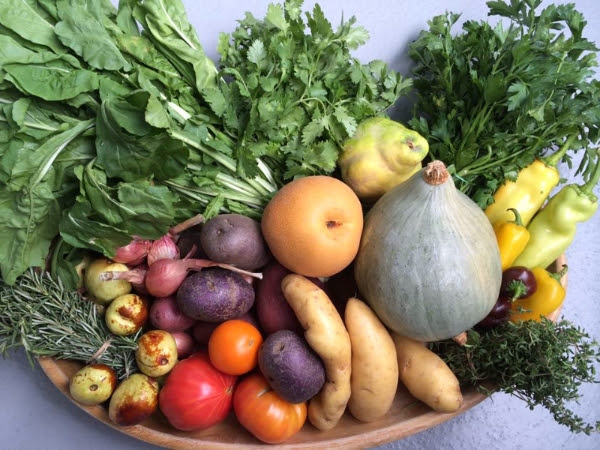
Food is a package deal, not only a piece of broccoli for example, that has nutrients that work together in a synergistic manner, but our overall intake of a variety of food works synergistically(in other words the sum is bigger than the parts) to determine our health and well being.  Health and well being, does not come from adding  a supplement, vitamin or superfood.  I believe it is always important to remember that food, like pharmaceuticals, alternative health and Drs, is a business.  This doesn’t mean that there aren’t good and caring people in these industries, but it does mean, that what people want you to eat or take, reflects what they are making money out of.  If you go to a naturopath,  they will sell you  supplements.  If you go to a Dr, they are going to sell you tests, referrals to  other Drs, drugs or surgery.  This means having a critical, but open mind about what you are being told to do.  This even applies to such things as tests, as tests often lead to more invasive tests, discovering things that are not going to cause us any problem, that Drs want to treat, because they can.  These treatments are highly profitable for the Drs and often of questionable value for us.
Of course,  this is not an easy maze for us to get through as it is incredibly complicated and where can we get information we can trust.  There is some very good advice in this McDougall’s Moments about not taking our Drs (or any other advice for that matter) at face value.
In general, our diet in the west is a diet of excess, too much of certain nutrients, not that we are lacking something.  Essentially what we have too much of is, animal protein, fat, and refined carbohydrates or sugar from processed foods.  Protein, fat and carbohydrates are mainly what food is made up of.  So, to get health we need to remove stuff from our diet, not add stuff.  The lure of the idea of adding something like fish oil, vitamins and various other supplements is that somehow we can buy good health,  without having to change!  We don’t have to give up the tastes that we currently like, we can have the quick fix, just by paying some money and go on with our current pleasures.  Health can’t be bought like ‘ice'(methamphetamine drug) or icecream.  These two are both immediate pleasures that can be bought and both play with the pleasure pathways in the brain, by affecting dopamine, a neurotransmitter.  While ‘ice’ is undoubtedly much more dangerous in this regard,  than icecream, eating fatty and sugary foods (meaning primarily takeaway and processed foods) cand lead to addiction.  Physical addiction is the process whereby the body develops a tolerance to a substance.  Tolerance means we need more of the substance to have the same effect.  When our bodies evolved, fat and sugar were in short supply, as opposed to now, where they are in oversupply.  Fat and sugar are very valuable to us: fat is stored energy and sugar is immediately available energy.  Consequently,  we are hardwired to naturally seek these substances.  There is a reward to us, in acquiring them and that reward is an increase in the release of dopamine in the brain-one of the functions of which is the experience of pleasure.  In general,  in hunter gatherer societies, fat and sugar were in short supply and required hard work to get.  Dopamine was the reward for the effort.  Today in a  changed environment, where fat and sugar are plentiful, this evolutionary adaptation works against us.  We are lured into seeking more and more fat and sugar to get the same effect, due to the development of tolerance.  This is one of the major pathways to being overweight and the road to chronic ilness and early death.
Have you ever heard of anyone being sick as they are protein deficient or fat deficient?  The answer is no.  What you would find amongst  your friends,  family and work colleagues who are sick, is that they have too much protein and fat and  too much of refined carbohydrates(junk and processed food-you know biscuits, potato chips, lollies,  chocolates, soft drinks, orange juice, take away food, most bread).
The answer to getting our health back, is not by adding expensive supplements to our diet on top of the excess calories, animal protein, refined  carbohydrate and fat we are already eating.  It is by eating whole plant foods.  That way, we will get the nutrients and fibre that we truly are missing under the SAD (standard Australian diet).   Anti-oxidants are found in greatest abundance in plants, particularly fruit and vegetables.  They are necessary for immune system function and to slow the ageing process.  Fibre only  found in plants, is essential for healthy bacteria in the gut ( this is an important reason not to take anti-biotics as a precaution, but only if we are truly sick with an infection, as our good bacteria is negatively effected.)  Healthy gut bacteria are related to every aspect of our health, including our mental health!  New evidence has just been released furthering the work which relates the health of our gut bacteria, to heart attack and stroke.  Fibre is crucial here, as some of it is indigestible and some of it hard to digest.  Therefore fibre  supports different colonies of bacteria, than other parts of food.
I believe the best way to make a change of diet is to make a big change at once. Â As discussed in previous blogs, take the PCRM Â 21 day kickstart. Â If you don’t like it, then you have only lost 21 days! Â All the food will still be there, if you want to go back to it. Â Probably, you will notice positive changes and not want to go back. Â These changes could be weight loss, drop in blood sugar, blood pressure and cholesterol. Â Or simply feeling lighter and more energetic or sleeping better.
However, Â even small changes can make a difference. Â My daughter developed adult onset asthma and the Drs told her it was the pollen and grass in spring and that it was necessary for her to take a corticosteroid daily as a preventative(all year round) with Ventalin for an attack. Â She cut out milk from her diet and reduced her intake of cheese, didn’t take the corticosteroid and her asthma has ceased over the last year.
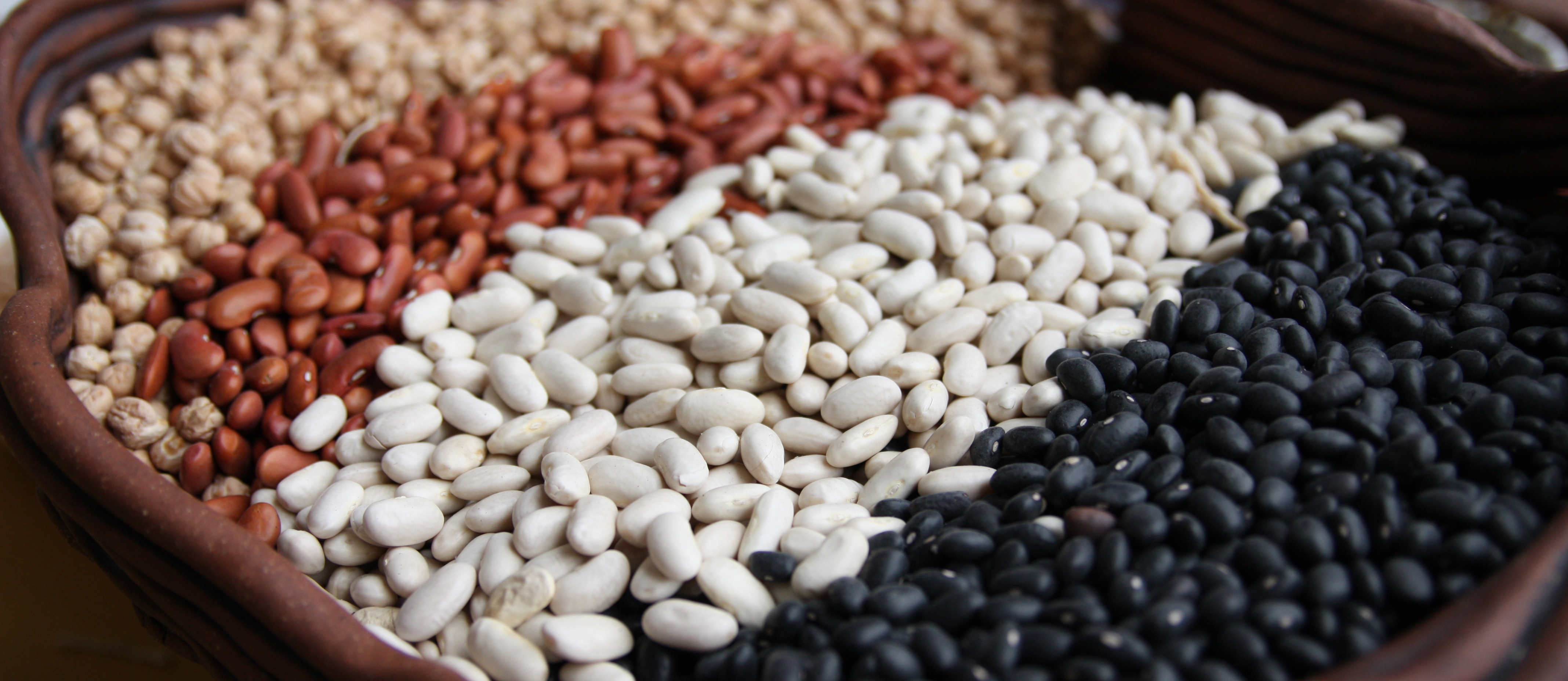
If small changes suit you better, leave dairy out of your diet or add beans instead of meat, twice per week or stop takeaway or processed food.
Yours in health
Gary