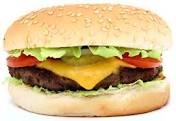
Calories Smalories!-all calories are not equal


NF-Mar11-Why-You-Should-Eat-More-BeansNF-Mar27-Can-We-Fight-Blues-with-Greensdownload

People are obsessed with calories these days.    This very often equals an obsession with dodging carbohydrates as they believe carbohydrates make you fat.    All calories are not equal, some are bad for you, that is they are low in nutrients  and high in sugar and fat. These are processed carbohydrates-anything that comes from a factory.  Simple rule of thumb to eat good food, is eat only fresh, dried or  preserved whole plant foods-eat nothing that comes from a factory.   Some food made in a factory is good for you-essentially anything that has no added ingredients.  As soon as it has added ingredients it’s probably bad for you.  For example,  the peanut paste I eat, Sanitarium, is made in a factory by grinding up peanuts!  No added ingredients, it is 100% peanuts-that’s it.   Most peanut paste has added sugar and lots of other ingredients- this is dangerous territory.

LOSE WEIGHT WITHOUT DIETING!

Dieting is a dead end- a never ending cycle of losing weight by denying yourself what you want-denying pleasure – and then slowly or quickly going back to giving yourself pleasure and eating what you want.  What you want is very often processed food high in taste as it is high in fat, salt and sugar. This is how the big food multinationals get us addicted to their products (I wouldn’t  call it food as food is something you put in your mouth, whereas these things definitely shouldn’t be put in your mouth, if you want to live a long, active and happy life).  If it is low in one and marketed like that to us, as being good for us, it is high in the others.  For example, something  marketed as low in fat will be high in sugar, to maintain its high taste and its high addictive quality.  (There is a whole story around fat and sugar and release of dopamine, the  pleasure hormone in the brain, which is a part of the addictive process.  We seek fat and sugar, because when we were evolving and living as hunter/gatherers there wasn’t a whole lot of fat and sugar around!  It makes sense to seek fat and sugar out when they are in short supply, like when Aboriginal people were living off of the land-it doesn’t make sense to seek fat and sugar, when you can go to the supermarket or the  takeaway and buy any amount of fat and sugar that you want!)

The other thing that you want is probably meat, eggs and dairy.  Probably because you were brought up on them and consider them ‘real’ food and also they are high taste as they are high in fat (and cholesterol).    Once you start eating the amount  you ate before, the weight will go back on again.  Most people who go on a diet lose weight, because they eat less calories-they eat less food.  But you can’t deny yourself forever.   In this society there are endless opportunities to eat rubbish-any office workplace will have biscuits, full of sugar and trans fats.  The recommended safe intake of  trans fat is zero.  If you still see high fat ,  high sugar foods as food, you will eventually not be able to resist any longer and will start on the slippery slope to weight gain.  As stated above,  most people who go on a diet  lose weight, but a year later they have put that weight and more back on.   Very few people, where very few equals almost zero, have the ability to maintain denying  themselves what they see as desirable, forever.    The way to lose weight permanently without being hungry or engaging in extreme exercise forever, is to change what you see as food; that is something  that should be put in your mouth for sustenance and pleasure.

So,  food is something that should be put in your body, that gives you pleasure,  as an adult to give you energy and ongoing maintenance. (The maintenance is an interesting point.  If the guy building your house said, “what materials do you want me to use?  I’ve got top of the range or 2nd grade stuff  that will damage what you have got built already.  It’s pretty clear which materials you would use.   Replacing the many,  many cells which are lost every day is building or maintaining your body and food, is what those cells are made from.)

Things that are going to make you sick in the long term, like meat, eggs, dairy and processed food, should be seen as non-food-not something that you would put in your body.  It is curious these days that many parents are very careful what they feed their babies, but eat anything  themselves!

WHY FORGET THE CALORIES?

Because calories take your mind off of the main game.  They are encouraging you to think about how much you eat.  Redefining what is considered food is encouraging you to think about what you eat.  If you eat the right foods, you can eat as much as you want, never feel hungry and lose weight.  AND it won’t be temporary!  Why?   Essentially because it will be enjoyable.  By getting rid of the fat and sugar from your diet by not eating processed food,  meat (remember meat includes fish and chicken), eggs and dairy you will:

  • lose weight and settle on a healthy weight and maintain it
  • your energy levels will improve not just because you are not having to carry around that extra weight, but because you are putting the right foods into your body, mainly complex carbohydrates or starches( grains, beans, potatoes, sweet potatoes, corn etc) but also fruits and vegetables(lots of them!)
  • your mood will improve
  • almost any chronic illness that you may have will improve

After a short while your taste buds will change and your sense of smell as well, so starches and vegetables will taste great to you and you will detect nuances of flavour and smell in the food which you never experience before, because the  high tase fat, sugar and salt are not dominating your taste buds.  Since becoming vegan I have never enjoyed my food so much.  In no sense, do I feel like I am denying myself when I see people  eating a steak.  On the contrary, I think about many things but one of them is, “do they know what they are doing to their arteries?”

Yours in health


Gary


protein myth or if you don’t eat meat you won’t die!(or be weak and sickly)

NF-Nov14-Avoid-Carnitine-and-Lethicin-Supplements-140x135 NF-July23-Meat-Fumes-Dietary-Secondhand-Smoke-140x135 NF-July04-Avoiding-Cooked-Meat-Carcinogens-140x135 NF-August22-Avoiding-Dairy-to-Prevent-Parkinsons-140x135


When people of my age were growing up you had to have your protein (oh and your calcium).  Meat and protein were the same thing in our minds.  There was no idea that protein existed anywhere but meat, eggs, milk and cheese.   No-one said you’ve got to have your carbohydrates!  You’ve got to have your fibre!  It turns out getting your carbohydrates and particularly your fibre is much more unlikely these days and much more important.

Like  many people I went through a transition from meat, eggs and dairy eater to vegetarian(so tons of cheese and eggs as I was worreid about getting enough protein!) but with kangaroo meat.  I ate the kangaroo meat as I thought it was better for me (low in fat, compared to pigs, sheep  and cattle) and better for  the environment: no hard hooves breaking up the fragile Austrlalian soils and no overgrazing (kangaroos have lived here a long time in harmony with plants, not like  sheep and cattle, where you can  drive along native pasture and see the difference inside the fence to outside the fence where the sheep and cattle are not).  Of course, I didn’t think too much about the cruelty of kangaroo shooting.

Then when I became vegan, whole food plant based diet, I was extremely concerned about “where was I going to get my protein?”    We recently walked for 8 weeks in Nepal and on the Everest Base Camp trek I talked with young people eating lots of eggs as they were concerned about where were they going to get their protein.  The more realistic concern was where am I going to get my carbohydrate to give the energy to  walk to Everest Base Camp.

Consequently, when I first became a vegan, I used to like to eat tofu and tempeh at least a couple of  times per week.  Now I hardly eat them at all.  I really like tempeh but in the small country town where I live you can’t buy tempeh.  I have given up worrying about protein at all.  If you are getting enough food to sustain life, you are getting enough protein.  Protein is everywhere.  If something has a structure it has protein.    Think of any food from strawberries to sweet potato to beans:they have all got protein.

The other thing we knew about and many people still believe is that meat, eggs and dairy provided ‘complete’ protein, meaning they contain all of the amino acids and are therefore superior sources of protein to plant sources which don’t contain all of the amino acids and which are therefore inferior sources of proteins.  The protein we eat is broken down into amino acids as part of the digestive process in our gut and is reconstituted by our body into the proteins we need.  So, whether they come all  together or not is not important.  The irony is that we need very little protein in our diet and getting our protein from animal based sources is actually bad for us not good for us and getting our protein from plants is good for us, not bad for us.   Why?

  • When we are eating meat, eggs and dairy we are eating fat( a lot of fat) and the fat you eat, is the fat you wear.  People  who are overweight, have shorter lifespans than thinner people, are much more likely to be sick and have a poorer quality of life, for example in relation to mobility, joint problems, rhuematoid arthritis, just to name a few
  • When we are eating meat, eggs and dairy we are eating a lot of saturated fat.  This what is blocking our arteries and leading to angina, heart attacks and strokes
  • When we are eating meat, eggs and dairy we are eating a lot of cholesterol which is blocking our arteries  leading to angina, hearts and strokes
  • When we are eating meat, eggs and dairy we are eating a lot of protein and guess what!  Eating  a lot of protein is not good for you.  Meat, eggs and dairy are approximately 30 % protein and approx 60% fat.   Our highest period of growth and therefore our need for protein is highest is when we are a baby, so how much protein does mother’s milk, the perfect food for a baby  have?  5%.  Any adult getting enough food to live on is going to be getting more than  5%.

It turns out that the higher the intake of protein, the more increase the chance of cancer.  Intuition or common sense would tell you that.  What is cancer?  Runaway growth.  What is needed for growth?  Protein.   The body is not as simple as that.  Everything we eat and everything we do works in a complex way to produce a result.

  • when we are eating meat, eggs and dairy we are not getting any fibre and fibre has many valuable assets for the body, not the least of which is to fill us up, so we are not hungry.  As we can’t digest fibre which only comes in plants, it fills us up without providing any calories, it is the toxins and rubbish collector and is essential for healthy bowel movements.
  • when we are eating meat, dairy and  eggs we have different bacteria in our gut than if we are eating plants.  A recent discovery is that choline a substance in meat, dairy and eggs is changed by bacteria in gut of people for whom that is their normal diet into substance TMAO which is laid down in our arteries leading to blocked arteries.  This is another pathway where animal foods contribute to heart attacks and  strokes.

So, forget about worrying about getting enough protein-just enjoy your food.  If you reduce or cease meat(including fish and chicken by the way), eggs and dairy and increase potatoes, grains, fruits and veggies, you will enjoy your food more.  Two reasons, you will feel better, not so weighed down(if you are overweight you will lose some) and as your taste buds won’t be dominated by all that  fat you were eating you will be able to start to taste some other things and enjoy those flavours.

Happy eating and good health!

Gary


Depression

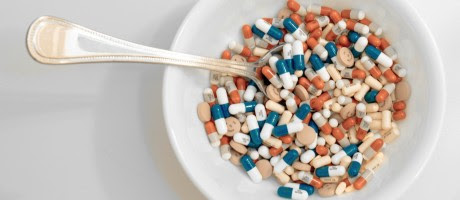
tablets picture

Like most chronic illnesses we are in an epidemic of depression.  The rate of prescription for anti-depressants doubled in the 10 years to  2011, putting Australia 2nd in the OECD countries for rate of prescription, with nearly one in 10 Australians on anti-depressants.  (If there was an Olympics in ill-health it would be a battle between Australia and America to see who got the gold!)    Think about what this means for your acquaintances, friends, family and workmates as to how many of these may be on anti-depressants.   Notice I am not saying how many of these are depressed.  Obviously, some of them would be truly depressed, but many of them taking anti-depressants would be dealing with normal issues of life, in a normal way.  Life can be a struggle, you can  have trouble sleeping sometimes or you can feel down or wonder what is the point of it all.  These are all perfectly normal part of life-at least life as we know it, in the west and that is the life I know about.

I believe the doubling of prescriptions for anti-depressants is not due to a doubling of the rate of depression in the population or that twice as many people who are truly depressed feel free to come forward due to the lessening of stigma about being depressed.  It is my belief that the majority of this doubling has come about by over diagnosis of depression fuelled by “a pill for everything mentality”.   A pill for everything is driven by drug company profits, Dr’s 10 minunte consulting times, this cultures and therefore patients mentality of quick fix or immediate gratification, which is linked to doing  everything the easy way.

Depression as defined by the Diangostic Statistical Manual 1V for mental conditions is a very serious condition.  To meet the criteria for depression a person has to have:

DSM-IV Criteria for Major Depressive Disorder (MDD)
• Depressed mood or a loss of interest or pleasure in daily activities for more than two weeks.
• Mood represents a change from the person’s baseline.
• Impaired function: social, occupational, educational.
• Specific symptoms, at least 5 of these 9, present nearly every day:
1. Depressed mood or irritable most of the day, nearly every day, as indicated by either subjective report
(e.g., feels sad or empty) or observation made by others (e.g., appears tearful).
2. Decreased interest or pleasure in most activities, most of each day
3. Significant weight change (5%) or change in appetite
4. Change in sleep: Insomnia or hypersomnia
5. Change in activity: Psychomotor agitation or retardation
6. Fatigue or loss of energy
7. Guilt/worthlessness: Feelings of worthlessness or excessive or inappropriate guilt
8. Concentration: diminished ability to think or concentrate, or more indecisiveness
9. Suicidality: Thoughts of death or suicide, or has suicide plan

You may be surprised at how serious a condition depression is and how many issues a person needs to have to meet the criteria and then be given the treatment that the drug companies want you to have: medication.   I repeat medication can be helpful and in my profession as a social worker I often recommend to people they seek medication.  Like most chronic illnesses that are treated with drugs, food and lifestyle can have a huge postive impact.

This would not be so serious if these were not such serious and expensive medications.  The problem is that many people end up on these medications for life and these medications are changing your brain chemistry-that is what they are designed to do.  They are based on the idea, that depression is a physiological problem that arises from within you due to an imbalance(your serotonin levels are too low) and that if this imbalance is corrected with drugs, then you will feel better.

What are other ways to make yourself feel better, that is change your brain chemistry besides taking  drugs?  This is not a complicated question to answer.  As part of my job I run groups with criminals-people on parole or bonds in the community.  When I ask them, how do you make yourself feel better without drugs or what advice or ideas would they have for a friend who was depressed these are the things they say:

  • find out what the problem is and do something about it, if you can and accept the situation if you can’t do anything about it
  • talk it over with friends or family
  • exercise
  • do something you enjoy
  • get up early in the morning
  • get a good nights sleep
  • eat well
  • get out in the sun

These are all really good suggestions and in fact are really helpful in dealing with depression.  Exercise  has been proven to be just as effective as anti-depressants without any negative side effects just postive ones.  Positive ones like improved bowel movements, improved immune system, weight loss and  oh yeah-you’re not depressed.  Doesn’t sound too bad-but of course you have to do it! Another huge benefit of exercise is the weight loss and fitness of cardiovascular system(blood pumping around your body) is you have a better oxygen supply and much more energy for daily living.

Exercise produces endorphins a brain chemical and this relates to  what you have probably heard of as the runners high.  Endorphin comes from two words: endogenous meaning coming from within and morphine.  Yes morphine  the powerful pain reliever that heroin is closely related to.  Endorphins are part of the bodies feel good system.  We were designed to move and moving makes us feel good.  If we are overweight or unfit it doesn’t make us feel good, it makes us feel terrible.  We weren’t designed to be overweight and unfit, we were designed to be fit and trim.  Look at photos of Aboriginal Australians taken by early explorers and anthropoligists.  Endorphins probably played a part in enabling us to run long distances, like Aboriginal people and particularly Kalahari bushmen did to  capture their prey.  The body doesn’t have an endorphin system to enable us to sit around watching TV!

Eating well, means eating foods that are not going to get you addicted and  therefore swing your mood.  This means staying away from high fat foods(yes, fat is addictive) and high sugar foods(yes sugar is addictive)  Fat and sugar trigger pleasure experiences by releasing dopamine into the brain.  This makes sense as when we were hunter gatherers fat and sugar were in very short supply.  They should be pleasurable so we would seek them out.  In our world today  they are available everywhere, most noticeably in processed foods(anything made in a factory), take away food and  animal products, like meat, eggs, fish and dairy products.  If we eat a lot of these foods, then like any addictive substance we need more of it to  get the same feeling of pleasure.  Of course, eating is a pleasureable activity, but in this society our taste buds and our dopamine response are trained to look for high  taste foods:fat, sugar and salt.  Processed and take away food relies on these three substances to give us the big hit and hijack our taste buds and pleasure receptors.    If you make the change to eating plant foods that haven’t been tampered with, then all of a sudden(well after a couple of weeks actually)  you can start to taste how sweet cabbage is for example.   These subtle flavours are overwhelmed by the fat, sugar and salt of animal based foods and processed foods.

Particularly good foods to eat in terms of mood are seeds, like pumpkin seed or sunflower seed.   This is because the protein in them(yes they have protein, in fact protein is everywhere!) is high in the  amino acid, tryptophan, which is a precursor for the production of Serotonin.   Remember increasing the amount of Serotonin in your brain is what the anti-depressants are doing for you.    In  general though, plant foods will improve your mood.   They do this by reducing an enzyme in the cells of your brain.  This enzyme reduces the amount of neurotransmitters available for communication between brain cells.  These neurotransmitters include our friends Serotonin and Dopamine.

See http://nutritionfacts.org/video/fighting-the-blues-with-greens-mao-inhibitors-in-plants/.

It turns out that your parents and grandparents were right.  “Early to bed and early to rise,  makes a man healthy, wealthy and wise”   The Foo Fighters were also right when they said, “Early to bed, early to rise, makes a man and a woman,  miss out on the night life”  If you want to be healthy you should mainly miss out on the night life!  Studies show that people who sleep between 6- 8 hours/night live longer than others.  Dr Neil Barnard from PCRM in his book on Power Foods for the Brain, states that if you are reading this book and it is past 10 pm put it down and go to sleep!  Sleep before midnight is for laying down of memories and sleep after midnight is for dreaming and resolving our emotional life.

We are daytime animals not nightime animals like owls and it turns out that getting early morning sun on you is good for re-setting of your body clock to daytime activity, nightime sleeping.  It is also good for getting vitamin D which is made by our bodies in response to sunlight.  Exactly how Vitamin D is implicated in our moods, schizophrenia and motor neurone diseases is not understood, but there is a correlation between  how much sunshine you get and the rates of these conditons and it appears that vitamin D levels are an important part of the development of these conditions.

Like everything though, the main line of treatment offered for having low Vitamin D (which by the way is not an illness) is take a tablet.   Have Dr’s and  the general population forgotten about the thing which powers all life on this planet-the sun!  It is not a surprise to know that it appears that the recommended levels of vitamin D required by us has been set higher than necessary.  There is only one beneficiary of you taking  Vitamin D tablets when you don’t need to and that is drug companies.