This is a bit of a headspin.  To get your head around it,  it is necessary to take on board the idea that the biggest factor in having a chronic illness (or multiple chronic illnesses as many people  have) is the food.  Through a lack of information and deliberate misinformation from the people making money out of chronic illness (the pharmaceutical industry and big food companies),  most people don’t know that it is the  food.  People often put chronic illness down to:
“it’s my age, what can you expect”
it’s genetic, other family members have the same problem”
“what can you do, it (put in appropriate chronic illness) is everywhere these days”
“it’s bad luck”
On top of that once a person has a diagnosis, very often they handover control of their life to the agreed upon deteriorating course of the illness. Â Tragically it also becomes a part of their identity. Â “I have fibromyalgia”, “I have atrial fibrillation” almost becomes, “I am fibromyalgia”, “I am atrial fibrillation” . Â The insidious beauty of the diagnosis is that the individual is absolved of responsibility, The illness is an unfortunate event that has happened to them. Â In addition, the diagnosis is something that is outside of their understanding and something best left to the experts: the doctors and the pharmaceutical companies.
So, why will managing a chronic illness by taking medication lead to developing another one?  Because the medication is not tackling the cause of the disease, it is treating the symptoms.  When a person takes blood pressure medication they are not  changing the course of their heart disease, stroke risk or sexual dysfunction.  They are not stopping or reducing the blockages in their blood vessels or making their blood vessels more flexible from the rigid and  inflexible state that they have gotten into.  These are the reasons why blood pressure goes up.  Taking medication is artificially reducing your blood pressure, without tackling the reasons why blood vessels  become stiff and clogged.  The reason is:  the food! (great and favourite comment of John McDougall)
Our body is continously trying to keep us in an optimal state, but it can only use what we put into it and how we use our body. This includes our brain/mind which is physical and part of our body as well. Mind is hard to define so I won’t even try!
We can injure our body or heal our body with the food we eat. Â If we continue to eat injurious foods and take medication for our chronic illness, what will happen? Â Our chronic illness will get worse. Â Look into any chronic illness, it has a deteriorating trajectory over time. Â In addition, we are at a high risk of developing another chronic illness, because we are still injuring or poisoning the body.
This is where genetics come in. Â Genetics guide what sort of chronic illness we are likely to get, not so much, if we are going to get one. Â It depends where our weak spot is – this comes from our genetics. Some people get skin diseases, some get lung related problems, some heart attacks and strokes, Â some diabetes, some arthritis, some digestive tract problems (reflux, ulcers, bowel problems). Â It is becoming clear that the mechanism driving these diseases is the same: an inappropriate immune response driven by low level chronic inflammation. Â In a sense the same disease manifesting itself differently based on genetics. Â (it is important to understand that we can change the way our genes are expressed, that is active or inactive, by what we eat, how much sleep and exercise we get. Â The wrong food is the poison or toxin driving the inflammation response and driving the expression of our genetic weaknesses. Â The right food is driving our genetic resilience.
It’s a bit like alcohol.  Nobody thinks alcohol is good for you or that it is a  health tonic.  It’s more a question of what level is  harmful.  What is  clear, is that people are affected differently by drinking too much alcohol over time.  Some people get depresssed, some people get liver damage, some people get cancer, some people  get dementia, for example.   It is the same with food: different people will have different responses to the same poisonous food.
Question: Â What is the poisonous food?
Answer: Â Â Meat, dairy, processed food and take away.
I’ve recently become a non- drinker.  Partly inspired by a young man I am seeing in my work as a Corrections Officer who has given up, partly inspired by wife Julie, who has had extended periods of not drinking over the last few years and partly  inspired by eating only stuff that is good for me-being a whole foods vegan.  It increasingly didn’t make sense to be putting only good things in my mouth and then to drink alcohol, which is essentially poison for the body and mind.
Given that I didn’t have a problem with alcohol, that is, it wasn’t ruining my relationships, my  work or my health, why did I give up and become a non-drinker?  Particularly, when there is huge family and social pressure to drink.  I have tended not to tell people as I didn’t want to make a big deal out of it (it seemed more likely to fail if it was a big deal) and I didn’t want to have to deal with the reaction from other people.
The reactions I have received are:
you won’t last – derision- you’re weak- man up
why would you want to do that for-incredulous- what’s wrong with you
you must have a problem with alcohol
If you’re not drinking with me, you don’t like me, I’m not good enough for you
you’re going to be boring
Most people have a huge investment in other people drinking.  My guess is that ultimately people know drinking is bad for them.  If someone decides not to drink, it highlights that it is possible to not drink.  It also highlights to the person, that they are choosing to drink, even though they know it is not good for them.  There is a big danger that others will take a decision not to drink, as a criticism or rejection of them.   The same thing happens, when you make it known, that you are a vegan due to animal rights or animal cruelty.  People know that eating animals is cruel,  someone choosing not to do it, confronts them with the fact that they are choosing to eat animals anyway, even though it is cruel.  This makes them feel uncomfortable.
So, why did I become a non-drinker?  Well,  like most things it was a process.  Julie and I had been talking about it for years and she had been setting an example, with stints of six  months here and there.  It  happened one afternoon driving away from a family gathering, where I had had one glass of champagne.  The champagne had had that deadening effect that alcohol can have.  So, that was the tipping point.  I just suddenly made up my mind.  When I thought about it as to why,  there were lots of somewhat muddled reasons, so here they are:
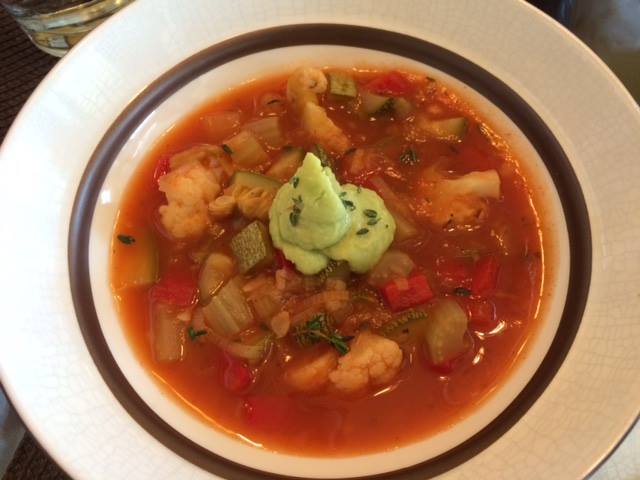
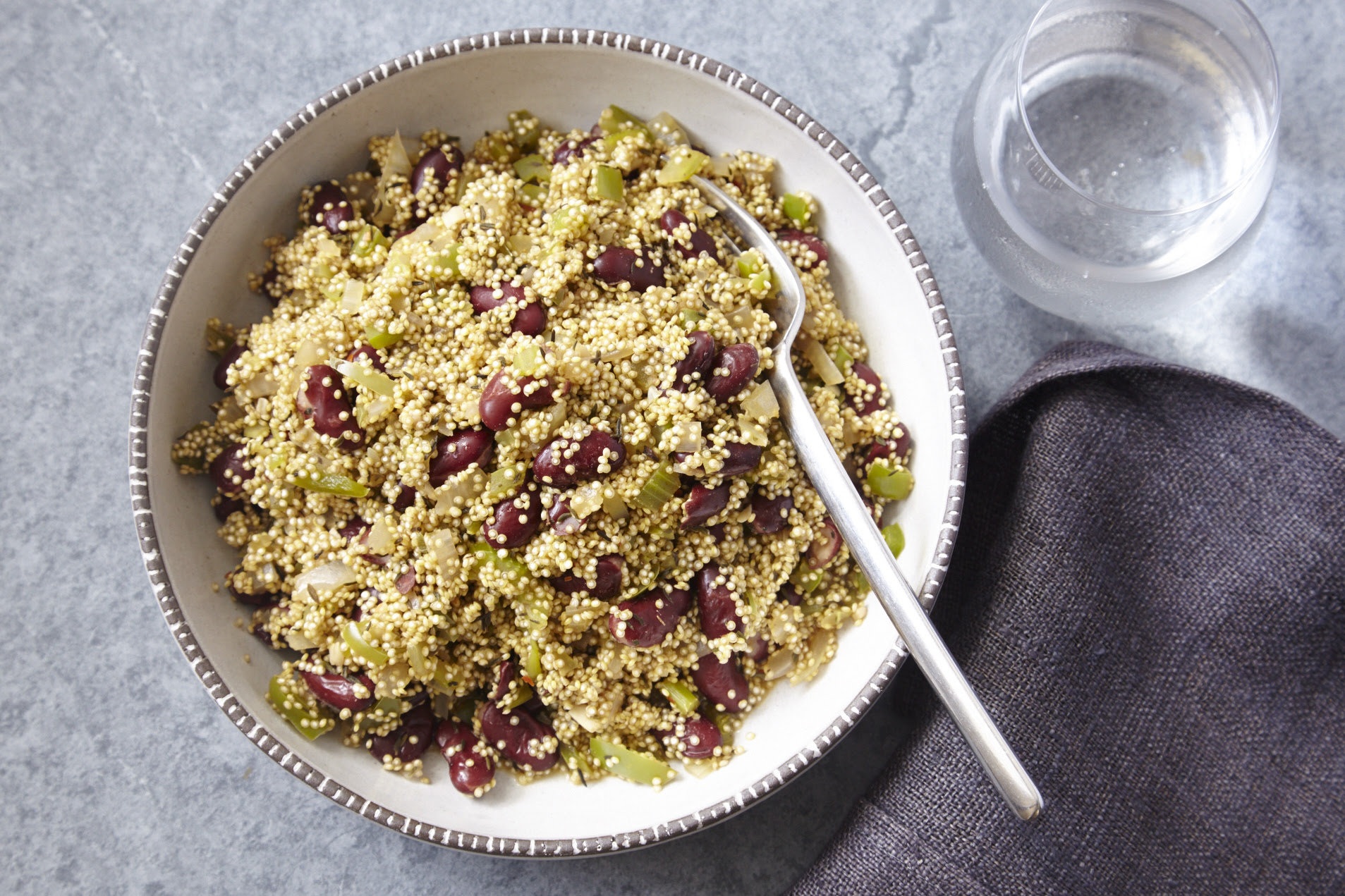
I am eating an extremely healthy diet in that I have been vegan for 12 years or so and over that time, the food I eat has gotten healthier and healthier. Â Basically, tons of beans, grains and vegetables with almost no oil, almost no processed food
I am also a runner, so health is very important
alcohol would often have a deadening or grumpy effect on me, although it could have the effect of elation or being the  life of the party.  I was not a heavy drinker, but like I think most people, I had done some inappropriate and stupid things when I’d been drinking
I work with a lot of clients who have a problem with drugs and alcohol and I am very familiar with the self -delusion which takes place when using a drug/alcohol and the self delusion in a person’s view of the drug/alcohol
I resented the ‘control’ alcohol had over my mind. Â For example, working outside and thinking about what I was going to drink that night
I resented the cost to buy the alcohol
I believe it is in the government and big businesses interest to keep the people ‘dumbed down’ and not thinking and questioning too  much.  I think alcohol is one of the ways this happens,  along with professional sport and mass media.  A Russian client,  I worked with years ago, explained the reason vodka was so cheap in Russia, was to keep the lid on the problems there.  If you think about it, alcohol is extremely cheap  here, around the same price as bottled water.  So, I wanted to keep my mind clear and think for myself.
I wanted to be in control of my mind.  As Bob Marley said (yes I know he smoked a lot of dope!) “none but ourselves can free our mind”.  If we rely on alcohol to deal with our thoughts or our  feelings or to bring out certain aspects of our personality, then we are giving away power.
Rejecting the “culture of consumption” .  This is a phrase I read in a Michael White article on addiction to alcohol.  It can easily be seen that drinking alcohol fits into our cultural paradigm of, “if I have  this, I will be happy, but never being satisfied and always needing more.  Giving up alcohol seems like a powerful rejection of the idea that I have to have something to be ok/happy/liked/attractive and more is better.
Even though I only drank, Â probably much less than the average drinker, I have noticed a huge improvement in my mood, Â since stopping. Â I Â just feel happier. Â We know that alcohol is a depressant, physically and mentally. Â People who are alcoholics are obviously depressed and it goes from there. Â Given my level of consumption, which was drinking on the weekends, a half a bottle of wine maximum, in effect two or three nights/week, it has been remarkable the lift in my mood. Â Which makes me think, alcohol is a more powerful drug than I had realised.
NOT DRINKING VERSUS NON- DRINKER
The problem with saying I am not drinking or I am on the wagon, implies I could be drinking any tick of the clock.  The decision whether to drink or not, remains a decision that has to be made over and over.  Not drinking is a  temporary thing: drinking is the default position.  I am a drinker, who is not drinking.  Whereas saying I am a non-drinker reflects a state of mind, an identity, not a behaviour.  If we want to change, it is much more powerful to change our identity: how we see ourselves.  When we have a new identity, we take on new meanings, different things become important.  The way we see ourselves powerfully shapes our thoughts and behaviours.   For me, the identity of non-drinker, reflects another step in de-colonising my mind.
Language is also shaping of identity, so carefully choosing the language of non-drinker, helps me take on that picture of myself.
Being a vegan for me is about compassion for animals and I think being a non-drinker and giving up alcohol will be another step in developing compassion for myself and others.
Driving to NSW recently the Health Report on Radio National was talking about poo. Â I went for a walk with my son recently and he mentioned an article he had read, about faecal transplant to overcome some inappropriate immune response disease. Â Then a work colleague mentioned the Catalyst programme on ABC TV recently which was again about faecal transplant for weight loss, Â I think. Â And of course, Â Nutrition Facts,a website devoted to bringing the latest in nutritional research (link in side bar) is run by Michael Greger and he seems to have a fascination with poo. Â A quick search on his website using stools as search term brings up twenty (20) videos. Â http://nutritionfacts.org/video/microbiome-the-inside-story/ is perhaps the one to start with to give you an overview, if you haven’t caught up with all of the excitement.
Unfortunately, the ways to make money  out of the latest research, are the things to get attention.  So what gets attention is buying pro-biotics, eating yoghurt with certain pro-biotics or having a faecal transplant (having  someone else’s poo stuck in your bowel).  As usual when the sickness system( health system) gets involved in making money exercises, the costly solutions pursued,  only address the symptoms, they don’t address the problem.   After all, their is no money to be made out of people getting better ( that’s why their is very little research going into developing new antibiotics even though animal agriculture is rapidly developing antibiotic resistance, by using more antibiotics on factory and intensively farmed animals than are used to treat infections in humans.  No research into new antibiotics, as you only take them for two weeks or less-the big bucks are in something you need to take for the rest of your life, like a statin for cholesterol or diabetes medication.  In other words, chronic illnesses).
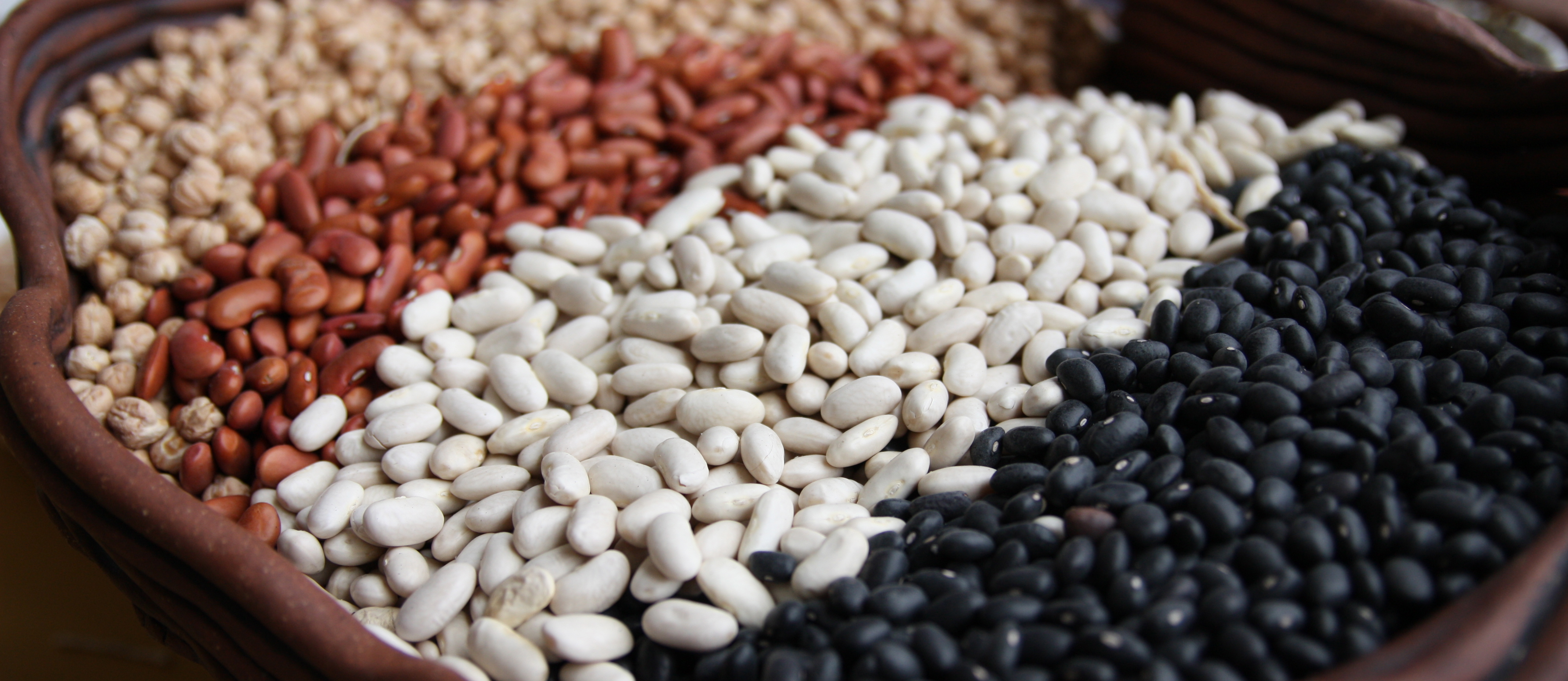
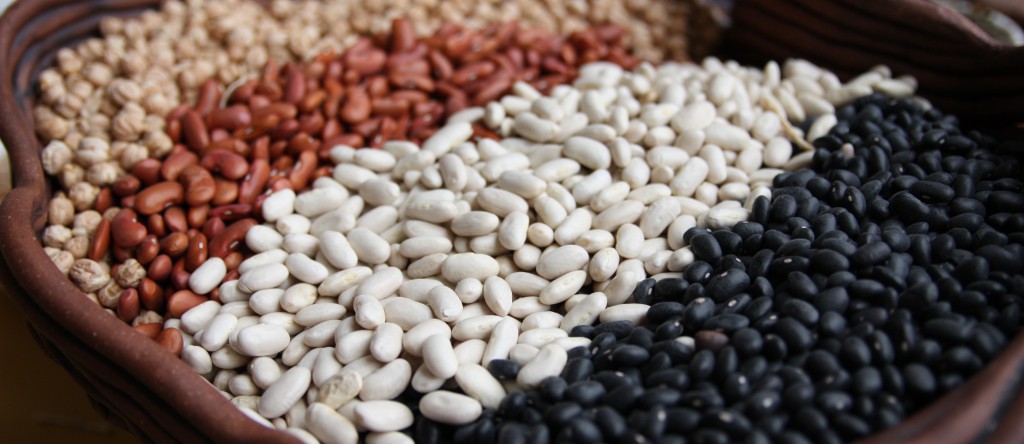
beans may be the healthiest food on the planet
Having good bacteria in our gut and bowel has been causally related to a great number of surprising things to do with our health:
positive mood
mental health
artherosclerosis or your blood vessels becoming blocked which relates to heart attacks, stroke, impotence and sexual pleasure (yes, women need good blood flow for an orgasm), dementia
high cholesterol (good bacteria come from eating a lot of fibre, that is plants, which is the only place fibre is found.  One of the effects of fibre is to increase stool frequency and size, flushing toxins and cholesterol out of our body.  If we have a small amount of fibre the length of time waste/toxins stay in our body increases, which leads to them being  re-absorbed
no bowel problems such as all of the conditions relating to inflammation of the bowel (Crohns Disease, Irritable Bowel Syndrome, Ulcerative Colitis, Diverticulitis) and a greatly reduced risk of bowel cancer
reduction in  chronic, low level inflammation in the body generally.  This type of inflammation is causally related to many if not all chronic conditions including cancer.  see inflammation as an agent in angiogenesis, which is the provision of a blood supply to cancer cells, so that they grow.
The solution to our gut bacteria being healthy and therefore us being healthy, is to eat a shit load of fibre. Â The only way to do that, is to eat a shit load of beans, rice, lentils, etc and fruits and veggies. Â No animal food has any fibre. Â Worse still, different unhelpful bacteria are promoted in our gut, by eating animals and animal products like milk and eggs. Â This is because bacteria are living organisms and like all living things they need certain conditions in their environment to live. Â There is no point in planting a rainforest tree in the desert and expecting it to live a do good things for you. Â It is going to die. Â It is the same with bacteria -they need the right conditions to live and multiply.
This is why having a faecal transplant or taking pro-biotics is a waste of money, unless you also change the conditions in your gut, by eating lots of fibre.  Fibre will provide the conditions  where they will live and multiply.  If you don’t change what you eat, the result will be that you are shitting money down the toilet, because you are just attacking the symptoms, not the problem.
The type and quantity of the bacteria in our gut can be changed within a few days by changing what we eat. Â Changing what we eat by changing the amount of fibre, changes the conditions, which means some bacteria live and multiply and others die.
The other reason that adding good bacteria to our bodies either by faecal transplant or pro-biotics is not the right solution,  is that there are a huge number of different species of bacteria and we don’t even know what they are and how they work.  A few species have been identified and there is some idea about which ones that we know about seem to go together to promote health.  But there is much more that is not known about the bacteria in our gut, than is known.  (There are 10x as many bacteria cells in and on our body than there are human cells, so that gives some idea of the complexity).  This means that we could be paying good money for what is not the optimal mix of bacteria, as we don’t actually know what that mix is.  Remember that if we don’t change the conditions in our bowel by eating more fibre, we are just flushing our bowels with good bacteria and quickly flushing dead good bacteria down the toilet, as those good bacteria can’t live in the wrong conditions.  This is why fibre is sometimes called a pre-biotic.  It precedes the pro-biotics by creating the right conditions for their growth naturally, without having  to be seeded by a purchased pro-biotic- it will just  happen like it has been happening for 100’s of 1000’s of years.  The simple answer is eat lots of fibre/plants and the body will produce the right bacteria in the right proportions and we’ll be right.
Our body is always trying to do the right thing by us.
For those  of you out there who are still subscribed, I’m back.  A lot of things have happened but this is a blog I have wanted to write for a long time.  People often describe being a vegan, not eating  meat, eggs and dairy as extreme.  A common response is, “everything in moderation”  and a “little bit can’t hurt you”.
Dr Caldwell Essessltyn the man who did the study reversing heart disease by putting people with repeated and chronic problems with their  heart on a vegan diet, says if you want to see something extreme have your chest sawn in half, so you can have bypass surgery around some blockages in your arteries.  Or I am thinking maybe it is extreme to be sitting in aged care facility with vascular dementia, not knowing who you or anyone else is.  That sounds pretty extreme and good blood flow is promoted by eating plants (fruits, veggies, grains and beans) not by eating meat, eggs and dairy.  Meat, eggs, dairy and  highly processed foods due to their high sugar and fat content promote poor blood flow.  Blood flow counts everywhere from our genitals to our brain and our heart.  If we want to have good function in those places we need to have good blood flow.
PCRM have an info graphic in relation to meat stating there is no safe dose of meat. Â The less the better, but every bite of meat is doing us harm, the same as every cigarette is doing us harm.
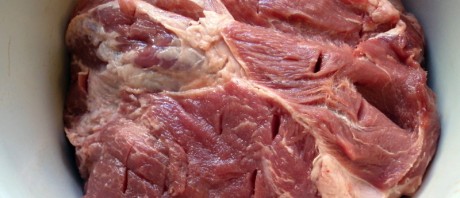
animal muscle
Red and Processed Meat Products:
No Safe Amount P H Y S I C I A N S C O M M I T T E E F O R R E S P O N S I B L E M E D I C I N E
5 1 0 0 W I S C O N S I N A V E., N. W., S U I T E 4 0 0 • W A S H I N G T O N, D C 2 0 0 1 6
P H O N E ( 2 0 2 ) 6 8 6 – 2 2 1 0 • F A X ( 2 0 2 ) 6 8 6 – 2 2 1 6 • P C R M @ P C R M . O R G • W W W . P C R M . O R G
More than half of the meat products Americans
consume are red meat, and nearly a quarter are
processed meat.1 Processed meat products include bacon,
deli slices, sausage, hot dogs, and any other meat
products that have been preserved with additives or
otherwise manipulated to alter color, taste, and durability.
Current dietary guidelines recommend limiting
red and processed meat products, but eliminating
them may be the safest option, because scientific
research continues to identify health hazards these
products pose.
What Makes These Meat Products Dangerous?
Both red and processed meat products contain high
levels of DNA-damaging n-nitroso compounds. Heme,
the iron component of animal products, promotes the
formation of n-nitroso compounds.2 Processed meat
products contain these compounds because they are
preserved with nitrites. N-nitroso compounds are also
associated with increased cancer risk.3
Processed meat products are extremely high in sodium,
which is used as a preservative. Studies show a
direct link between high-sodium diets and high blood
pressure.4,5 Because about 80 percent of dietary salt
comes from processed foods,6 avoiding these products
is critical for decreasing overall sodium intake. High
blood pressure can lead to kidney failure, heart failure,
heart attack, and stroke.6
Red and processed meat products are also high in
saturated fat, which can lead to increased risk of cardiovascular
disease, obesity,7 and diabetes.8
Cardiovascular Disease
Cardiovascular disease (CVD) remains the number
one killer of Americans. Nearly a quarter of deaths
from CVD are avoidable,9 and dietary intervention is a
major factor for prevention. The sodium and saturated
fat content of both red and processed meat products
contribute to the risk of heart disease.
1
In the European Prospective Investigation into Cancer
and Nutrition (EPIC), which followed 448,568 men
and women, researchers found a strong correlation between
consuming processed meat products and risk
of dying from CVD. Those consuming more than 160
grams per day of processed meat products had a 30 percent
increased risk of death from CVD, compared with
those who consumed 10 to 20 grams per day.10
Results from the Health Professionals Follow-up
Study (HPFS) and the Nurses’ Health Study (NHS) indicate
that eating just one serving of a processed or
unprocessed red meat product a day increases risk of
death from diseases such as cancer and heart disease.
These studies tracked the diets of 37,698 men from the
HPFS and 83,644 women from the NHS for up to 28
years. All participants were free of CVD and cancer
at the start of the study. Risk of death increased by 20
percent for those consuming processed meat products,
and for those who had one serving of a red meat product
a day, the mortality rate increased by 13 percent.11
Diabetes
Fat accumulation within muscle cells can lead to
insulin resistance,12-14 which then contributes to the
development of type 2 diabetes. The high-fat content,
particularly saturated fat, in red and processed meat
products is a potential risk factor for type 2 diabetes.
In a 17-year follow-up study conducted with 8,401
Seventh-day Adventists, researchers found that those
who ate meat products at least once a week were 29
percent more likely to develop diabetes, compared to
those who reported eating no meat products. Processed
meat product consumption alone caused a 27 percent
increased risk for diabetes.15 These findings supported
the research of other studies.16,17 Seventh-day Adventists
are an ideal research population because they
avoid tobacco, alcohol, and caffeine. Thus, there are
fewer factors to consider when analyzing the relationship
between diet and disease risk.
Moreover, in the Adventist Health Study-2 which
examined 60,903 individuals, nonvegetarians were
twice as likely to be diagnosed with type 2 diabetes
compared with those avoiding meat products.18
In a 2011 meta-analysis of 442,101 participants,
consumption of both unprocessed and processed red
meat products was significantly associated with risk of
type 2 diabetes. For consumption of 100 grams per day
of unprocessed red meat products, there was a 19 percent
increased risk for type 2 diabetes. For consumption
of 50 grams per day of processed meat products,
about the size of one hot dog, there was a 51 percent
increased diabetes risk.19-21
Diabetes is a particularly challenging health problem
in the Native American population. A recent study
following more than 2,000 Native Americans living in
the Southwestern United States for a five-year period,
found that those who ate processed meat products
were more likely to develop diabetes.22
Cancer
Red and processed meat products can increase risk
for various cancers, including pancreatic,23 stomach,24
bladder,25 and most significantly, colorectal cancer.26
The risk is higher for processed meat product consumption,
though it is still significantly increased with
unprocessed red meat products consumption.
The World Cancer Research Fund (WCRF), in conjunction
with the American Institute of Cancer Research
(AICR), found, in a comprehensive and ongoing
analysis of research, that red and processed meat
products are, together and individually, “convincingâ€
as risk factors for colorectal cancer. The combination
of evidence indicates a 30 to 50 percent increased risk
for colorectal cancer when consumption of these meat
products is highest.26,27 Specifically with regard to processed
meat product consumption, investigators in the
EPIC study discovered an 11 percent increased risk of
dying from cancer with the consumption of 50 grams
per day.10
Researchers also recently investigated the dose-response
nature of red and processed meat product
consumption and colorectal cancer risk and found
that a dose-response relationship does exist. Risk
increased by 29 percent for every 100 grams of red
meat product consumed per day and by 21 percent
for every 50 grams per day of processed meat product
consumed.28
Conclusions
There is strong evidence that consumption of both
unprocessed red meat products and processed meat
products can lead to increased risk for many diseases,
including CVD, diabetes, and cancer.
In order to practice the best measures for disease
prevention, these unhealthful meat products should
be avoided altogether. In substitution studies, it was
found that replacing one serving of red or processed
meat product a day with nuts decreased risk for disease
by 19 percent and replacement with legumes decreased
risk by 10 percent.11 Therefore, when replacing
a meat product, it is best to choose healthful, high-fiber
foods such as beans and lentils. Ultimately, a plantbased
diet eliminates the health risks of meat product
consumption and is ideal for disease prevention.
References
1. Daniel CR, Cross AJ, Koebnick C, Sinha R. Trends in meat products consumption in the
USA. Public Health Nutr. 2011;14: 575-583.
2. Cross AJ, Pollock JR, Bingham SA. Haem, not protein or inorganic iron, is responsible
for endogenous intestinal N-nitrosation arising from red meat products. Cancer Res.
2003;63:2358-2360.
3. Loh YH, Jakszyn P, Luben RN, Mulligan AA, Mitrou PN, Khaw KT. N-Nitroso compounds
and cancer incidence: the European Prospective Investigation into Cancer and Nutrition
(EPIC)-Norfolk Study. Am J Clin Nutr. 2011;93:1053-1061.
4. He FJ, MacGregor GA. Effect of modest salt reduction
on blood pressure: A meta-analysis of randomized
trials: implications for public health. J Hum Hypertens.
2002;16:761–770.
5. Johnson AG, Nguyen TV, Davis D. Blood pressure
is linked to salt intake and modulated by the angiotensinogen
gene in normotensive and hypertensive
elderly subjects. J Hypertens. 2001;19:1053–1060.
6. Appel LJ, Brands MW, Daniels SR, Karanja N, Elmer
PJ, Sacks FM. Dietary approaches to prevent and treat
hypertension: a scientific statement from the American
Heart Association. Hypertens. 2006;47:296-308.
7. Phillips CM, Kesse-Guyot E, McManus R, et al. High
dietary saturated fat intake accentuates obesity risk associated with the fat mass and obesity-
associated gene in adults. J Nutr. 2012;142:824-831.
8. van de Laar F, van de Lisdonk E, Lucassen P, et al. Fat intake in patients newly diagnosed
with type 2 diabetes: a 4-year follow-up study in general practice. Br J Gen Pract.
2004;54:177–182.
9. Centers for Disease Control and Prevention (CDC). Avoidable deaths from heart disease,
stroke, and hypertensive disease: US 2001-2010. MMWR Morb Mortal Wkly Rep.
2013;62:721-727.
10. Rohrmann S, Overvad K, Bueno-de-Mesquita HB, et al. Meat products consumption
and mortality-results from the European Prospective Investigation into Cancer and Nutrition.
BMC Medicine. 2013;11:63-75.
11. Pan A, Sun Q, Bernstein AM, et al. Red meat products consumption and mortality:
results from 2 prospective cohort studies. Arch Intern Med. 2012;172:555-563.
12. Petersen KF, Dufour S, Befroy D, Garcia R, Shulman GI. Impaired mitochondrial activity
in the insulin-resistant offspring of patients with type 2 diabetes. N Engl J Med.
2004;350:664-671.
13. Krssak M, Petersen KF, Dresner A, et al. Intramyocellular lipid concentrations are correlated
with insulin sensitivity in humans: a 1H NMR spectroscopy study. Diabetologia.
1999;42:113-116.
14. Perseghin G, Scifo P De Cobelli F, et al. Intramyocellular triglyceride content is a determinant
of in vivo insulin resistance in humans: a 1H-13C nuclear magnetic resonance
spectroscopy assessment in offspring of type 2 diabetic parents. Diabetes. 1999;48:1600-
1606.
15. Vang A, Singh PN, Lee JW, Haddad EH, Brinegar CH. Meat products, processed meat
products, obesity, weight gain and occurrence of diabetes among adults: findings from
Adventist Health Studies. Ann Nutr Metab. 2008;52:96-104.
16. Snowdon DA, Phillips RL. Does a vegetarian diet reduce the occurrence of diabetes?
Am J Public Health. 1985;75:507-512.
17. Fraser GE. Associations between diet and cancer, ischemic heart disease, and allcause
mortality in non-Hispanic white California Seventh-day Adventists. Am J Clin Nutr.
1999;70:532S-538S.
18. Tonstad S, Stewart K, Oda K, Batech M, Herring RP, Fraser GE. Vegetarian diets and incidence
of diabetes in the Adventist Health Study-2. Nutr Metab Cardiovasc Dis. 2013;23:292-
299.
19. Pan A, Sun Q, Bernstein AM, et al. Red meat products consumption and risk of type 2 diabetes:
3 cohorts of US adults and an updated meta-analysis. Am J Clin Nutr. 2011;94:1088-
1096.
20. Aune D, Ursin G, Veierod MB. Meat products consumption and the risk of type 2 diabetes:
a systematic review and meta-analysis of cohort studies. Diabetologia. 2009;52:2277-
2287.
21. Micha R, Wallace SK, Mozaffarian D. Red and processed meat products consumption
and risk of incident coronary heart disease, stroke, and diabetes mellitus: a systematic
review and meta-analysis. Circulation. 2010;121:2271-2283.
22. Fretts AM, Howard BV, McKnight B, et al. Associations of processed meat products and
unprocessed red meat products intake with incident diabetes: the Strong Heart Family
Study. Am J Clin Nutr. 2012;95:752-758.
23. Nöthlings U, Wilkens LR, Murphy SP, et al. Meat products and fat intake as risk factors
for pancreatic cancer: the multiethnic cohort study. J Natl Cancer Inst. 2005;97:1458-1465.
24. Wang X, Terry PD, Yan H. Review of salt consumption and stomach cancer risk: Epidemiological
and biological evidence. World J Gastroenterol. 2009;15:2204–2213.
25. Ferrucci LM, Sinha R, Ward MH, et al. Meat products and components of meat products
and the risk of bladder cancer in the NIH-AARP Diet and Health Study. Cancer.
2010;116:4345-4353.
26. World Cancer Research Fund (WCRF)/American Institute for Cancer Research (AICR).
Food, nutrition, physical activity and the prevention of cancer: a global perspective. Continuous
Update Project. Washington, DC: AICR; 2011.
27. Vargas AJ, Thompson PA. Diet and nutrient factors in colorectal cancer risk. Nutr Clin
Pract. 2012;27:613-623.
28. Chan DSM, Lau R, Aune D, et al. Red and processed meat products and colorectal cancer
incidence: meta-analysis of prospective studies. PLoS ONE. 2011;6:e20456.
People are comparing where  we are with meat, eggs and dairy today to where we were with smoking in the 1950’s: those in the know who follow or have access to the research know now unequivocally that meat, eggs and dairy are bad for you.  The general public is starting to get the idea but are largely uninformed and just like the tobacco industry, the animal agriculture and big food companies are trying to create as much misinformation and confusion as they can about  the fact that eating meat, eggs, dairy and processed food is bad for you.
There is a huge interest in health at the moment and companies are cashing in selling gluten free or super foods. Â Eating and living healthy is incredibly simple and requires no special foods or expense.
eat whole plants, fresh where possible (I don’t mean raw necessarily)
exercise daily including where you are supporting your body weight like walking or running
sleep well and get outside during the day, preferably early in the day
don’t smoke cigarettes
The problem with everything in moderation is that we have too much easy, strong tasting food and we are not very moderate animals! Â If it’s available we go for it. Â Do you remember the advertisement for the chips, “bet you can’t eat just one!” Â This is not because they were particularly tasty but because they are high in fat and salt: two things we evolved to eat.
beans, one of the triumvirate of great foods: Beans, greens and berries
So, if we eat a moderate amount of meat, egss, dairy and processed food,  we will have a moderate amount of death and disability.  The big factor in people’s lives now is the amount of disability, people are living with, which is affecting their quality of  life, very negatively.  These effects are physical in terms of mobility or activities they feel able to undertake but perhaps more importantly they are mental or emotional in terms of their sense of well being or  joy of living.  When I see a person afflicted with a chronic illness I feel for them, but I also feel for the animals on the trucks going past my house, heading for fear and death.  So,  if we eat “moderately” of meat, eggs, dairy and processed food we are contributing “moderately” to animal cruelty and death.   If we think about it and feel about it, there is  nothing moderate about a slaughterhouse or a factory farm.
My daughter has just had a baby so life in all of its intensity and aliveness is on my mind. When we have a new born, we have all of this care and attention to baby’s well being. Mother eats well (meaning lots of veggies: folate comes from foliage of plants, not added to your bread!) for pregnancy, knowing baby needs nutrients to grow properly and develop appropriately. Mother stops poisons like alcohol. Mother tries not to be overweight, as this can set baby up to be overweight. What mother eats during pregnancy and breast feeding shapes what foods the baby is attracted to, which is going to shape its health. Mother tries to breast feed as everyone knows breast is best, nutrition wise and bonding wise. Mother tries to have a vaginal birth as this isbest for immune system of baby, as is breast feeding.
If the baby is lucky, this is the kind of attention and care with nutrition and environment the baby will be given.
Contrast this with how people ‘take care’ of themselves. Are we less valuable when we are 20. 40, 60, 80? People every day put stuff in their mouths that they know are bad for them. Whilst many people are fooled by misinformation about meat, eggs and dairy, most people know that alcohol, chocolate, lollies, McDonalds, Coca Cola, energy drinks, chips, biscuits are bad for them. Most people have a lot of these things: “a little bit won’t hurt”. Everyone knows veggies and fruit are good for you. Recent research by CSIRO found that 93% of Australians were not getting the recommended 5 servings of veggies and 2 servings of fruit per day! This is in line with results in America. Most people’s idea of veggies is a serve of hot chips, which is not a health food, due to all of the oil and possible cancer causing effects of acrylamide, a substance which is created in the deep frying process.
When we are having a baby we try and keep everything natural. The same applies to food: non-processed food is food, stuff from a factory is a food like substance, with the more processing the more dangerous it is.
There is a joke in our family which comes from a time years ago where we are stuffing our faces with potato chips and Julie says not to give any to our dog, Scarlet as they are not good for her! Her Dad, Val said, “look after the dog”, with the unspoken part being don’t worry about yourself. Needless to say we have stopped potato chips for ourselves as well.
I believe change is about a journey from somewhere undesirable to somewhere desirable.  We are motivated by wanting to leave an undesirable place and have an idea or a picture of what the desirable place is like.   I think a big thing holding up change for people is no or little experience, or no idea or picture, of the desirable location. That is they have never been truly healthy in their life.   When was the last time they felt alive: high energy, sense of well being, sleep well, feeling good?  This is our natural state. To achieve it, we don’t have to do anything but eat properly. As we eat properly, taking care of ourselves with the care that we would take for a baby, we will get more energy and want to do more things and we will feel more positive about life.  We don’t have to resolve abuse and neglect from our past or our personality defects: eat well. Eat well means, eat whole plants:nothing processed.
I recently put a poster up at my local post office offering free support for weight loss and my neighbour asked me, what was I on about. The poster said, weight loss without dieting, exercise or pills (I should have included food substitution which is the other common method).  Here is the email I sent her to give her a heads up.
Hi
There is no trick to it. To lose weight it is necessary to change the quality of the food we put in our mouth, not the quantity. If we get the quality right, we can eat as much as we want, because we will feel full and well. For the vast majority of people diets don’t work. Most people who go on a diet, lose weight and one to two years later end up weighing more than what they were when they started. This is because they are denying themselves: restricting calories(going hungry) and not eating their favourite foods. Anyone can only do this for so long, before they crack and the dam wall opens!
The only way to lose weight permanently is by a lifestyle change: changing what we see as food. There are two reasons we eat: so we live another day and for pleasure. When we evolved/were designed pleasure was the secondary reason, it has become much more important today where processed food and so much food is available. For processed food read fat and sugar are so available. For processed food, read anything made in a factory.  I mean anything! Assume it has added fat and/or sugar as it is a rare product that does not.
Fat and sugar are addictive. They give us a high hit of pleasure. The physiology is they cause a spike in dopamine in the brain: dopamine pleasure hormone. Fat and sugar are so rewarding, as when we evolved/were designed they were in extremely short supply. They were great things to get hold of as they were in short supply and they are high in energy(calories).  Today, fat and sugar are in almost all food from a factory and are still highly rewarding and high in calories.
The other issue to think about is dairy products. Dairy is fattening besides being not good for us in a myriad of ways. Cows milk was designed to grow a calf into a cow weighing a ton or so! low fat milk is still a high fat product. Cheese is something a lot of people find hard to give up (strong taste-it’s all that fat)
A useful step is to think about what you are eating at the moment. Writing it down or better still keeping a diary for a week. Just the act of keeping a diary will change what you eat as you pay more attention to whether the thing you are putting in your mouth is fattening or good for you. Once you know what you eat, you are in a position to work out what you are going to take away and what you are going to add.
Adding good stuff is helpful in getting rid of bad stuff.  What’s the good stuff? No suprises here. Everyone knows fresh fruit andvegetables are good for you. The more of them the better. But they will never fill us up. This is where complex carbohydrates come in. That is real food-not refined carbohydrates from a factory. chickpeas, lentils, beans, rice, oats. These are the foods that will fill you up and along with the fruits and veggies will provide fibre. Fibre is that wonderful ingredient which grows good bacteria in our gut and these bacteria have a positive effect on everything from our immune system to our mood. There are 10x more bacteria in us than there are cells in our body, so their effect is very important. This is a huge area of research at the moment. There is no fibre in meat, dairy or eggs.
So, three issues: increasing fibre, reducing or eliminating processed foods and what are you going to do about dairy.  Remember, the fat you eat is the fat you wear.
Increasing fibre is essential for long term weight loss, as is reducing or eliminating processed food. If you get rid of dairy, you get rid of a lot of fat and a lot of other bad things out of you intake and you will do your health a favour and it will be a lot easier to lose weight.
I don’t know where you are at the moment in terms of what foods you eat. Most people will need to have a change of attitude towards the foods they have been eating. Basically, change from seeing them as desirable foods, to undesirable foods: foods that are putting on weight and making me unwell or setting up chronic illness. There is a transition period. If you go cold turkey on the foods you are going to leave behind it will be easier. Our taste buds are used to fat and sugar.  They can be re-trained and within a period of a few weeks the new foods will taste great and the old foods will taste not so great.
my son and I after 56kms through Adelaide Hills
There’s lots could be said about how this all works, but it is a long story. In a way, it is a short story. Eat fresh food, cut out dairy. The difference between this and the Paleo diet is make fibre as high as you can: poohing is good!
Rest easy in your bed! To lose weight, it is not necessary to exorcise the demons in your personality (we all have those!) or suddenly discover previously undiscovered and unknown reserves of will power.   Certainly don’t take amphetamines in terms of stimulant medication that the drug companies want to sell you to lose weight, or consume isolated protein from calf food in the form of whey protein powder to stimulate fat burning.
You yourself may have done these last two, or known someone who has, who at the same time, or a short time later is eating Tim Tams or McDonalds!
No, it is not necessary to change your personality, overcome your depression, love yourself more, repeat affirmations, notice your triggers, block your thoughts or discover the meaning of life.
What is required to lose weight? Change what you put in your mouth! Not how much, but what. It is possible to lose weight permanently without going hungry and without exercising.  So, losing weight is 80% biology, 10% psychology and 10 % information and support. (I just made that breakdown of %’s up, but I want to emphasise biology is the boss)
The two 10%’s of psychology and information are crucial as without them, the 80% biology coming from what we put in our mouth, won’t get a chance to work.  This is because we have all been brainwashed that carbohydrates make you fat, you have got to have meat for protein and iron and you have got to have dairy for calcium.  All of these statements are completely false.  When I was learning to be a therapist, we used to believe that the solution to a problem is likely to be 180 degrees, the opposite from the solution that was currenlty being applied.  It was likely that the solution being applied was the problem!  The same line of thought can be applied to the health industry and health promotion. It is likely, the correct solution is in the opposite direction from what the mainstream is telling us.  Anyone who thinks that increasing amounts of drugs and interventions is going to lead to health is heading 180 degrees in the wrong direction!  Anyone who thinks that meat, dairy, eggs and fish are good for you, has the wrong information. I think everyone knows that processed and take away food is bad for you, even though most people continue to eat it. We have been brainwashed from a young age that meat, dairy and eggs are good for you. It is only recently that the fish mania has taken hold that the idea that fish is good for you and fish oil will cure everything is everywhere.   Vegan women have more long chain fatty acids when they have none in their diet, than women taking expensive fish oil supplements! This is because long chain fatty acids can be manufactured by the body, from short chain fatty acids which come in plants.
PSYCHOLOGY OF WEIGHT LOSS
The psychology of weight loss is pretty simple: motivation. We will not do anything unless we want to. So, it is very important to get really clear about why we want to. Unfortunately, we are also pretty lazy or if you want to be kinder in the description, we get stuck in habits.  This just means we do the same old thing over and over: we take the line of least resistance.  This means to make a change in what we put in our mouths takes a bit of effort, so we have to have a good reason to do it. Unfortunately, we being who we are, we often leave it until things get really bad and we have got really sick.  It is possible to do this( that is wait until you are really sick) but it is crazy, as you are really rolling the dice with the odds stacked against you. In fact, waiting until you get sick if you are overweight or obese is like waiting until you get lung cancer, to stop smoking. Now of course it is possible to smoke all of your life and not get lung cancer, but I wouldn’t like my chances.  You mightn’t get lung cancer but you might get eye damage, circulation problems, stroke and so on. In other words, smoking is straight out bad for you, as is being overweight.
The Health Report on Radio National episode of 3/11/2014 covered research on the effect of being overweight as measured by BMI(body mass index), in relation to admissions to hospital. Basically, the more overweight you are, the more likely you are to be hospitalised ( and given what we know about how dangerous hospitals are, in terms of infection, mistakes and the negative effects of treatment, this is not a good thing!) The research shows that in NSW in terms of days in hospital for people over 45 years of age, 1 in 6 of all hospital days on a population level, are in relation to people who are overweight. On a population level, there was almost a direct line between how overweight a person was and how many days they spend in hospital.
Essentially there are three possible reasons a person would want to lose weight: for their health, for the animals and for the environment.  Animal agriculture is the leading contributor to greenhouse gases and global warming, not to mention, the contribution to water pollution and water consumption. If you stop eating animals or animal products and eat a whole food plant diet, then if you are overweight, you will lose weight.
People are unaware or turn a blind eye to the massive cruelty and death involved in eating animals and animal products. Every day driving to work I see death trucks full of sheep or cattle, heading for the abbattoirs. Even at this very simple level they are crammed into the trucks with no room to move, with the ones on top, no choice but to urinate and defecate on the ones below.  I believe a great many people if they were properly informed and thought about the cruelty involved in farming and slaughtering animals for food, they would cease to eat meat, eggs and dairy.   Pig production, eggs and chicken are the cruellest for the animals and the worst for our health (due to the overcrowding of the animals and the opportunities that provides for the mutation of viruses-think swine flu/bird flu-and the use of anti-biotics).
Whatever our motivation, if we get informed and think deeply about it, we will start to change our view of what could be called food: that is what is desirable to put in our mouth for enjoyment and to nurture and fuel our bodies. If we know and have thought about all of the various ways animals are cruelly treated in meat production for example and the multiple pathways that meat is bad for our health, then meat will no longer be desirable to us. We won’t be denying ourselves anything. In fact, we will be embracing our own life and the lives of other living things. Everything we put in our mouth, we will feel good about and it will make us feel good.
BIOLOGY OF WEIGHT LOSS
I have covered this issue in earlier blogs. If you want more information go to the work of Nathan Pritikin, Neil Barnard, Colin T Campbell, and John McDougall.  There is tons of good information out there! If you are the sort of person who would like a structure to enter into, to start your new directions, sign up to PCRM’s 21 day vegan kickstart programme.
In a nutshell, weight loss is biology, as irrespective of how screwed up we are, if we put the right food in our mouth we will come to our optimal weight. The right food is whole food plants: fruits, vegetables, grains, seeds, legumes,nuts and beans.
Why will eating these foods lead us to move to our optimal weight over time?
they are low in calories and high in nutrients.  They have all of the things that our body needs to be at optimal health: fat, protein, complex carboydrates, vitamins, minerals and the 1000’s of helpful chemicals that only plants have.  Why are these foods low in calories? Because the great majority of them are low in fat, low in sugar and high in fibre (fibre has no calories,is very filling and is great for the bacteria in your gut, which is good for your immune system and your mood!)
Most people are eating the opposite of this. They are eating food that is high in calories and low in nutrients.  This is because people’s intake of processed and take away food is high (think of the biscuits, snacks and cheese that people eat). This sort of food is high in fat (added and naturally occuring), high in sugar ( added and naturally occuring) and high in refined carbohydrates (carbohydrates stripped of their goodness and fibre or broken down into simple sugars). Almost everyone eats processed food (factory food) even if they don’t eat takeaway.  Then when you add meat, fish, eggs and dairy on top of that, you are adding another load of fat. The fat you eat is the fat you wear! And don’t be fooled by the skim milk we are drinking. Cheese consumption has skyrocketed in the last 50 years.
We will eat less calories, as starches(complex carbohydrates) are very filling, so we feel full. On top of that 15% of complex carbohydrates are lost in heat through digestion, whereas only 3% of fat is burned up in digestion, before it is deposited as fat on our body.   There is so little conversion of fat from our mouth to where it is deposited on our body, that analyiss of the fat on our body can reveal what we have been eating, by revealing where that fat has come from: meat, fish, dairy or nuts, forexample.   If we eat whole food plants, we feel full and a lot of what we feel full with is fibre and water, neither of which have calories, therefore no excess energy to be converted to fat.
As well, eating complex carbohydrates speeds up our metabolism, as compared to eating animals or animal products. This means just sitting around doing nothing, we are burning more calories.  This is particularly helpful, as if we are overweight and we try to lose weight, the body wants to hold on to that weight, particularly if we try to lose weight by eating less.  The body ‘thinks’, hard times are coming, I need to hang on to this stored energy.
If we eat whole food plants, we will naturally feel more energetic and start to move more. Clearly, the more we move, the more calories we consume. As we lose weight, we will feel more like moving.  It is not good to do weight bearing exercise when you are overweight, as it can cause damage to your joints.
eating plants we are eating fibre. Fibre is a pre-biotic, which helps grow pro-biotics good bacteria. Believe it or not, good bacteria mean we extract less calories from the food we eat. Check out the latest information on gut bateria and calorie extraction from our faecal matter. This is a booming area of research.
See this news from Physicians Committee for Responsible Medicine in relation to recent research about weight, diabetes and plant based diet.
Plant-Based Diets Deliver Improved Care and Digestive Health to Individuals with Diabetes
March 20, 2015
The bacterial environment of the digestive tract may contribute to obesity and diabetes, according to a review article in the publication On the Cutting Edge, by the Diabetes Care and Education practice group of the Academy of Nutrition and Dietetics. Continuous exposure to low-grade antibiotics in the food system, long-term antibiotic use, or poor dietary choices may cause dysbiosis, an imbalance of gut bacteria. This imbalance can lead to increases in both the number of calories the gut takes from food and inflammation, which increases risk of insulin resistance and leads to changes in metabolism that contribute to fat cell growth. Adopting a plant-based diet is one way to decrease exposure to antibiotics and help balance gut bacteria.
A whole-foods, plant-based diet is also highly effective for the prevention, treatment, and management of diabetes, according to another review article in the same publication. While common advice for diabetic patients includes counting carbohydrates and cutting calories, both observational and interventional studies support the effectiveness of a plant-based diet to reduce insulin resistance, lower blood pressure, shed excess weight, and improve blood sugar control, despite a higher carbohydrate load.
Jardine M. The role of microbiota in obesity and diabetes. On the Cutting Edge: Diabetes Care and Education. Academy of Nutrition and Dietetics. 2015;35:10-14.
Jardine M. Plant-based nutrition: a therapeutic option for diabetes. On the Cutting Edge: Diabetes Care and Education. Academy of Nutrition and Dietetics. 2015;35:15-20.
A work colleague asked me the other day what foods I would take to a desert island and if I could only take three things, what would they be?  I said, “beans, greens and berries†which are probably the healthiest foods on the planet.  They are all plants and so they have a myriad of helpful chemicals and the greens and berries are particularly high in anti- oxidants, those chemicals which counteract free radicals.  Beans have the benefit of being very filling, tasty, high in fibre and slowing the release of energy into the body (low GI) even to include the next meal, when beans aren’t eaten!
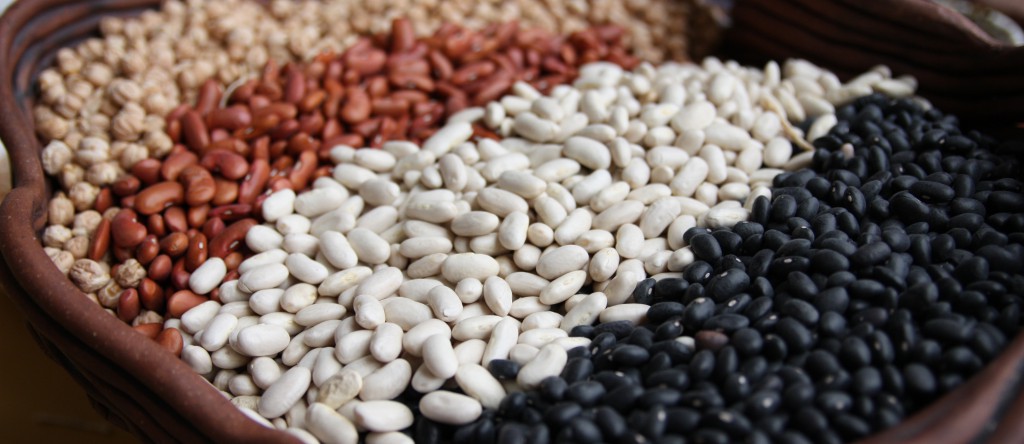
beans, oneof the triumvirate of great foods: Beans, greens and berries
Free radicals are chemicals produced by the process of using oxygen to power the chemical reactions to release stored energy in our body. So, just sitting and reading this blog, you are producing free radicals which can be increasing the risk of cancer and speeding up ageing.
The fact that free radical production increases as the amount of exercise we do increases, has led some people to argue, that exercise is bad for you. (People love “good news†about their bad
habits and “bad news†about their potential good habits!)
However, the body is not stupid. The more we exercise the more the body ramps up it’s immune system response, counteracting the negative effect of free radical production.  Also if we are not in antioxidant deficit like people eating the SAD (standard Australian diet-meat, dairy, processed food and take-away) then we have all the anti-oxidants we need to balance up the free radicals. Yep, you guessed it, by far and away the main place to find anti-oxidants is in plants, particularly fruits and vegetables.
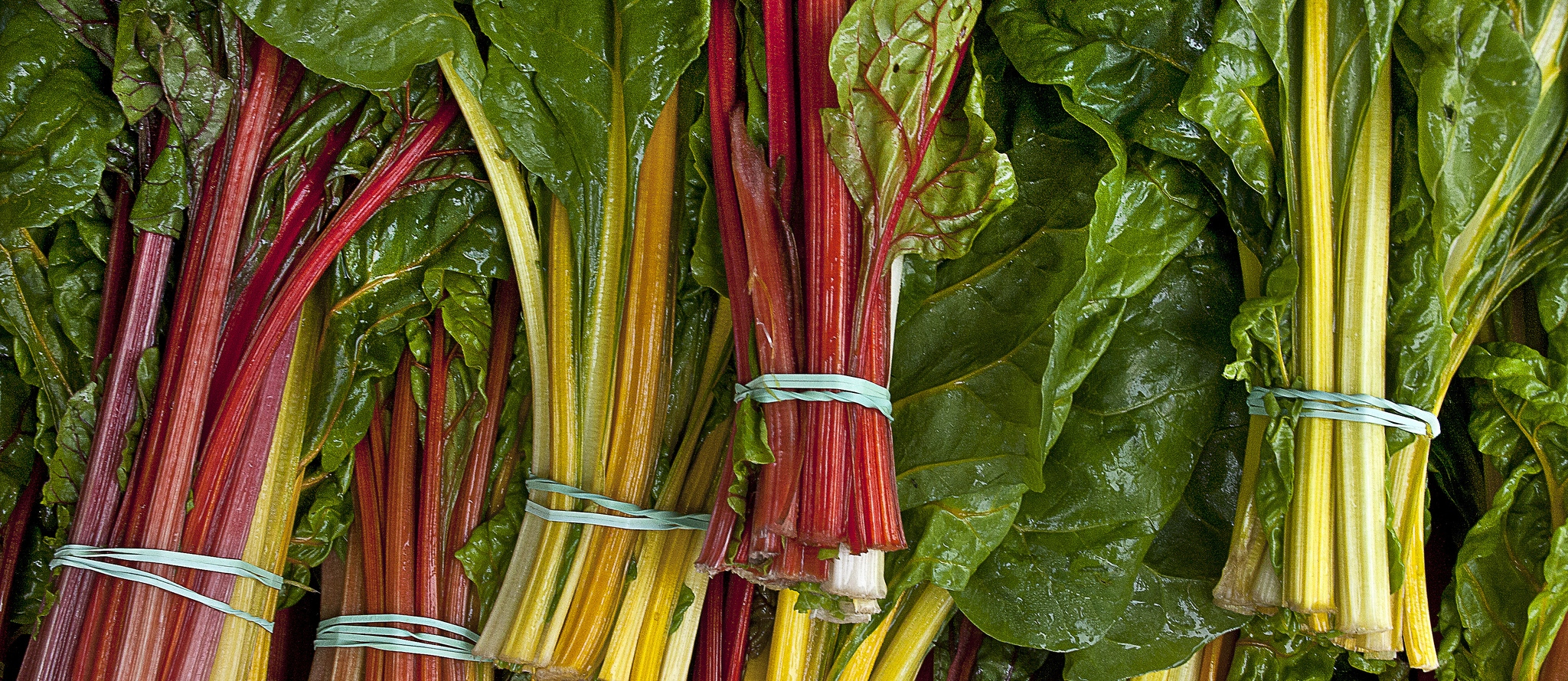
greens
My colleague wasn’t happy with my generic list and wanted specific foods. I went for chickpeas, kale and mango(I know, mangoes are not a berry, but they pretty delicious!)  Her response was mangos are high GI, as if this was somehow a problem! GI is not a measure of food quality but many peoople consider that it is. That is, they think low GI equals good food and high GI equals bad food.   GI is simply a measure of how much the carbohydrate in a food increases blood sugar levels. What’s bad about a lot of sugar being released into the bloodstream after eating? Nothing as long as it is good food. A lot of sugar in the bloodstream leads to, insulin being released from the pancreas and the sugar is then stored in liver and muscles for future energy use. The problem arises in high GI foods if the person is already fat or they eat fat and sugar together (in other words processed or takeaway food or meat and dairy with a high GI food) Fat interrupts the uptake of sugar into the muscle cells .
A person eating beans and greens followed by mango would have no problem. Person eating just mangoes would have no problem! It turns out that mangoes are not a high GI food, with a GI between 50 -60.  On top of that they are a healthy food as they have fibre, good amounts of vitamins C, A and B6, beta-carotenes and other useful phytonutrients.  Eating high GI foods is only a problem if you are already sick in some way.  High GI healthy foods are good for you. What is a healthy food?   Any whole plant food, as these have fibre, protein, complex carbohydrates, small amount of fat or none at all and many helpful phytonutrients (helpful chemicals only found in plants).
The whole notion of GI as it is used and understood is suspect anyway as like most things, the picture is more complex than just GI. This excerpt from Wikipedia gives a good explanation.
“The glycemic index or glycaemic index (GI) is a number associated with a particular type of food that indicates the food’s effect on a person’s blood glucose (also calledblood sugar) level. The number typically ranges between 50 and 100, where 100 represents the standard, an equivalent amount of pure glucose.[1]
The GI represents the total rise in a person’s blood sugar level following consumption of the food; it may or may not represent the rapidity of the rise in blood sugar. The steepness of the rise can be influenced by a number of other factors, such as the quantity of fat eaten with the food. (italics added)Â The GI is useful for understanding how the body breaks down carbohydrates[2] and only takes into account the available carbohydrate (total carbohydrate minus fiber) in a food. Although the food may contain fats and other components that contribute to the total rise in blood sugar, these effects are not reflected in the GI.
The glycemic index is usually applied in the context of the quantity of the food and the amount of carbohydrate in the food that is actually consumed. A related measure, the glycemic load (GL), factors this in by multiplying the glycemic index of the food in question by the carbohydrate content of the actual serving. Watermelon has a high glycemic index, but a low glycemic load for the quantity typically consumed. Fructose, by contrast, has a low glycemic index, but can have a high glycemic load if a large quantity is consumed.
GI tables are available that list many types of foods and their GIs. Some tables also include the serving size and the glycemic load of the food per serving.[2
A practical limitation of the glycemic index is that it does not measure insulin production due to rises in blood sugar. As a result, two foods could have the same glycemic index, but produce different amounts of insulin. Likewise, two foods could have the same glycemic load, but cause different insulin responses. Furthermore, both the glycemic index and glycemic load measurements are defined by the carbohydrate content of food. For example when eating steak, which has no carbohydrate content but provides a high protein intake, up to 50% of that protein can be converted to glucose when there is little to no carbohydrate consumed with it.[3] But because it contains no carbohydrate itself, steak cannot have a glycemic index. For some food comparisons, the “insulin index” may be more useful.”
In other words, whether mango has a high GI is irrelevant (it turned out it has a low GI). The questions is, is it good for you and the answer is an unequivocal yes!
There are some very entrenched beliefs that are widely held about food and health. Carbohydrates make you fat is one of them. Well educated, intelligent people believe this. I don’t know where this belief comes from, maybe the animal agriculture industry, I don’t know. This belief about carbohydrates and another belief of recent origin, that we need fat/ fat is good for you/ there are good fats, often go together.
When these two more recent beliefs are put together with the old tried and true beliefs that we grew up with of:
we’ve got to have a lot of protein, which means eat animals or animal products, ‘cos ‘real’ protein comes from animals
we need a lot of iron and this means from animal blood, although we were never told about the blood bit
we need a lot of calcium and this means drinking breast secretions from cows although we called it milk
it’s not hard to see why we are sick.  The opposite of all of these beliefs is true. The more carbohydrates we eat, the less animal protein and the less fat we eat, the healthier we will be and the longer we will live. (see the China Study by Colin T Campbell)
There is a big difference between refined carbohydrates(from a factory or processed food) and complex carbohydrates (natural, whole plant foods eg beans, grains, potatoes). Refined carbohydrates are junk. When most people are eating carbohydrates, that is what they are eating. For example, most bread that can be bought from the supermarket, falls into the category of junk, rubbish or food that will do harm to our body. Refined carbohydrates are plant foods stripped of their nutrients and stripped of their fibre, that is, all of the good bits.
This problem about entrenched beliefs and the hugely negative effect they are having on people’s health, came up for me yesterday in the lunchroom at work.  A friend of mine at work, who used to be a very good marathon runner, has developed what is commonly referred to as a ‘beer belly’ for middle aged men.   He has started running again and is trying to lose weight, mainly by exercise.   My advice to him, was to lose weight first, as he weighed too much to start running.  The only way to lose weight successfully long term is by changing the quality of what we put in our mouth, not the quantity.   He has been running for a couple of months and as far as I can see, he has lost no weight. Currently, he is injured and is taking a break from running. (Oh, that’s another incorrect belief, that running is bad for you. People love to tell me that-it’s bad for your knees/hips. The most bizarre one I was told, was that I would wear out the balls of my feet! Unfortunatley, people running when they are too overweight to run is one of the reasons injury happens)
My friend has taken to eating Bhuji snack for lunch, although like most people who diet by restricting their intake (he is a big man, Bhuji snack is never going to fill him up) he busts out occassionally and has a bacon and cheese burger! (the fat you eat is the fat you wear).
This is the context for the lunchroom discussion. Somebody commented on what he was eating for lunch, Bhuji snack.  He replied, that he was following me and eating healthy.  I had to respond to this, as even though Bhuji snacks are made from plants, they most certainly are not healthy: they are factory or processed food.  I looked at the ingredients and sugar in various forms appeared 4 times and oil appeared twice. I pointed out, that due to the oil and sugar, I wouldn’t consider this food healthy.  The comments from the other three people in the room, were that the food was unhealthy, as it had too many carbohydrates and we need fat, fat is good.
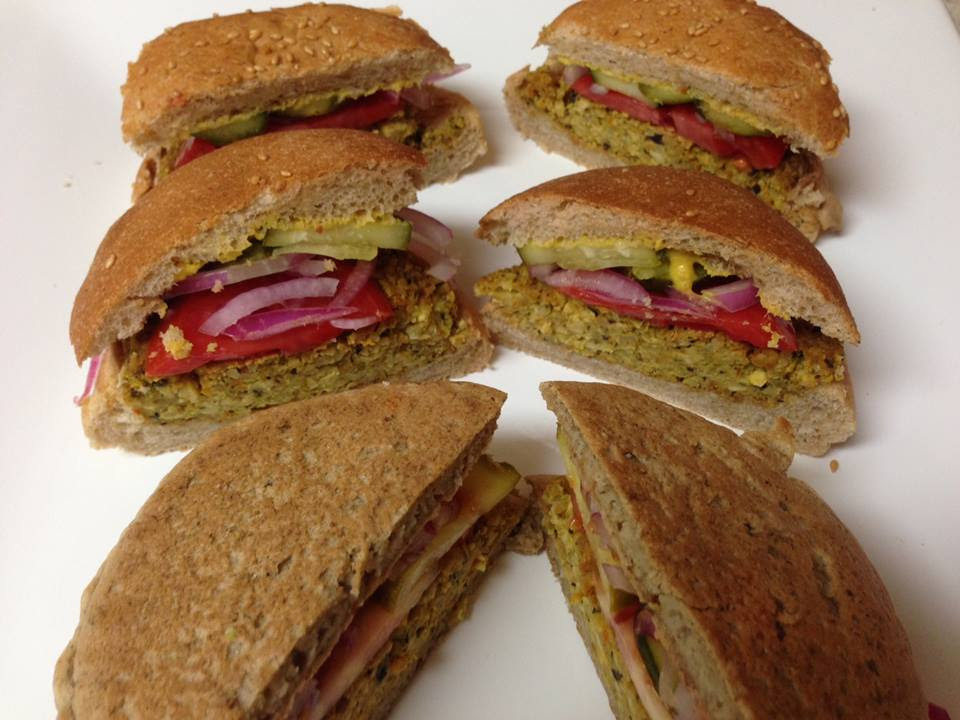
Lentil Burgers as opposed to
As a vegan, I eat only plants and in my case, whole food plants, no oil. Oil is fat, nine calories/gm and carbohydrates have 4 calories/gm. If you eat whole plant foods, it is impossible to not eat protein and fat. Protein is in everything and fat is in beans, grains and nuts for example.  I don’t know what the breakdown of my food intake would be, but at a guess it would be around 80% carbohydrates, 10% protein and 10% fat.  Because of my whole food plant intake, my intake of fibre would be high, well above the recommended level of 40 gms of fibre/day. Most Australians are eating 10 – 15 gms of fibre/day.   Most Australians are eating too much animal protein, too much fat/cholesterol/too much sugar(processed and factory food) and not enough complex carbohydrates, not enough fibre and not enough fruits and vegetables with the thousands of helpful chemicals found only in plants.
The single most healthy thing anyone could do to decrease their weight and increase their health? Eat more plants!  Eating more plants essentially means eating more carbohydrates (complex).
Why are people healthier and lose more weight by eating complex carbohydrates?
carbohydrates are very filling as they come packaged with a lot of water and a lot of fibre, neither of which have any calories
the fibre deserves a mention again (see my blog on fibre)
more calories are used up and lost to heat in digesting complex carbohydrates than they are in relation to sugar or fat for example
There is a wierd disconnect for people between what they put in their mouth and their quality of life.  I have frequent experiences where people demonstrate that they know that what they are putting in their mouth is bad for them, but they have no intention to stop it.  In fact they may well be taking the view that these foods that are bad for them, are somehow contributing to the quality of their life: that these foods represent the pleasures of life and that they deserve these pleasures, given what they have to go through every day.
Irrespective of the health effects of these high fat, high sugar, high animal protein foods which are enormous, the view of life as something to be endured, or drudgery that has to be gotten through, so you can get to the good bits, is bad for our mental and spiritual health. The good bits for most people are alcohol, food that is killing you slowly, holidays and sex.(nothing wrong with sex or holidays!)
I think people continue to eat foods that they know are slowly killing them, because they think they deserve it, given the suffering that they are enduring (the suffering I am referring to is everyday suffering, like people’s jobs or their marriage or loneliness, all common complaints of western culture). I think people also do it, as we have been trained to experience these foods as highly pleasureable and to some degree we are hardwired to seek out fat and sugar, as over most of the human lifespan, they were in extremely short supply. Both sugar and fat represent concentrated forms of energy.  I think the other reason people continue to eat these foods, which is linked to the “I deserve it” reason is, “a little bit won’t hurt”. A little bit does hurt, one reason being that a little bit is rarely just a little bit and it is always a repeated little bit which adds up to a lot over time!
People have said to me of recent times, “I would rather die than give up—-“. The gap can be filled in by anything, like chocolate, meat, cheese, Tim Tams and so on. The disjunct I started this blog with, knowledge that the food is bad for them, but having no intention of stopping, I think is partly because even though they say, “I’d rather die” they don’t actually think they are giong to: at least not from the food. The truth is, it will cause their death, much earlier than necessary and it will exact a high burden on their ability to enjoy their life, in terms of mobility, health and mental health.  This reduction in mobility, health and mental health or sense of well being, they will most likely put down to old age, rather than poor health, brought on by poor diet.  Old age doesn’t have to be an ever increasing round of Dr and hospital visits(these are pretty dangerous in themselves, just at the level of infections and complications of treatment!)
What people experience, becomes the norm and as people are getting sicker, they are expecting and accepting getting sicker: “it’s all a part of growing old”.
I think one of the problems for people in making a change away from the foods that they would die for, is that they have never been well! This will be even truer in the future, than it is now, with the move away from fresh food to takeaway and processed food, that has taken and is, taking place.
This is why PCRM (Physicians Committee for Responsible Medicine) and other promoters of healthy eating, encourage people, to go to whole foods plant based diet completely for 21 days. The thinking is that 21 days is long enough, to experience some of the benefits of eating well and for our tastebuds to adjust to new flavours (in fact we have physically new tastebuds in this time).  Our bodies are incredibly responsive to what we put in them. Within hours of eating fruit and vegetables our ability to remove sugar from our bloodstream (insulin sensitivity) increases. Conversely, if we have a high fat meal such as hamburger, egg and chips our ability to remove sugar from our bloodstream drops (decreased insulin sensitivity).   This is in the context of being given the same glucose drink.
How do you get past thinking I deserve this chocolate, alcohol, meat or cheese? (or whatever your particular poison is) Change your view from this ‘food’ is desirable, to this is poison. Change your view of food that you know is good for you, from this food is boring, to this is life, this is energy, this is health. People often say to me, “oh, that’s right, you can’t have x” .  I say, “it’s not that I can’t, I choose not to”.  I don’t talk to them about why I don’t eat it and why I choose to eat what I do, as they are not really interested.  I do think it is important to make it clear, that it is a choice I am making and that it is not restrictive.  When I eat an apple, I enjoy the crispness, the sweetness and the juice running. I am also aware, without thinking about it, that an apple is really good for me! So, on that basis alone it feels good to eat it.  There is a lot of pleasure in putting something in my body, that I know is good for it.  I know an apple is good for my body as is it high in fibre, (removes toxins, lowers cholesterol, promotes strong immune system and mental health by promoting growth of good bacteria in my gut) and it is high in anti-oxidants and other plant chemicals(known as phyto-nutrients) which are good for me.
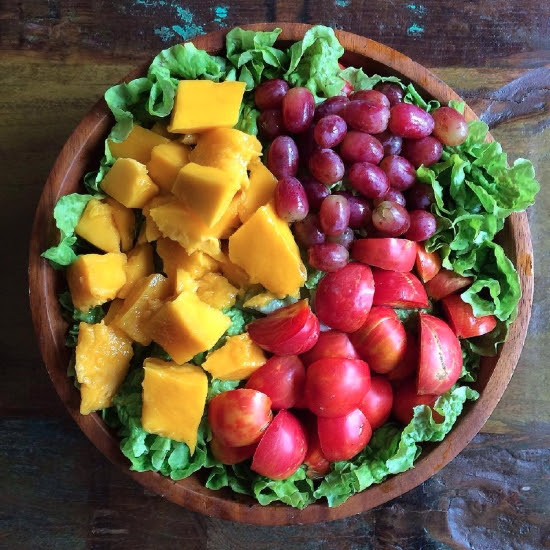
I know that cheese, for example is bad for me, as it is high in saturated fat, high in cholesterol and high in animal protein. In other words, it is promoting cancer, heart attack, blood thickening and clotting and inflammation. With that knowledge, it would be hard to enjoy eating cheese.  Not to mention, if you didn’t eat it for a while, it wouldn’t taste any good! Your tastebuds would adjust and all you could taste would be fat and it would leave an unpleasant coating on your tongue! (quite the opposite of an apple, or the delicious mango and grapes above)

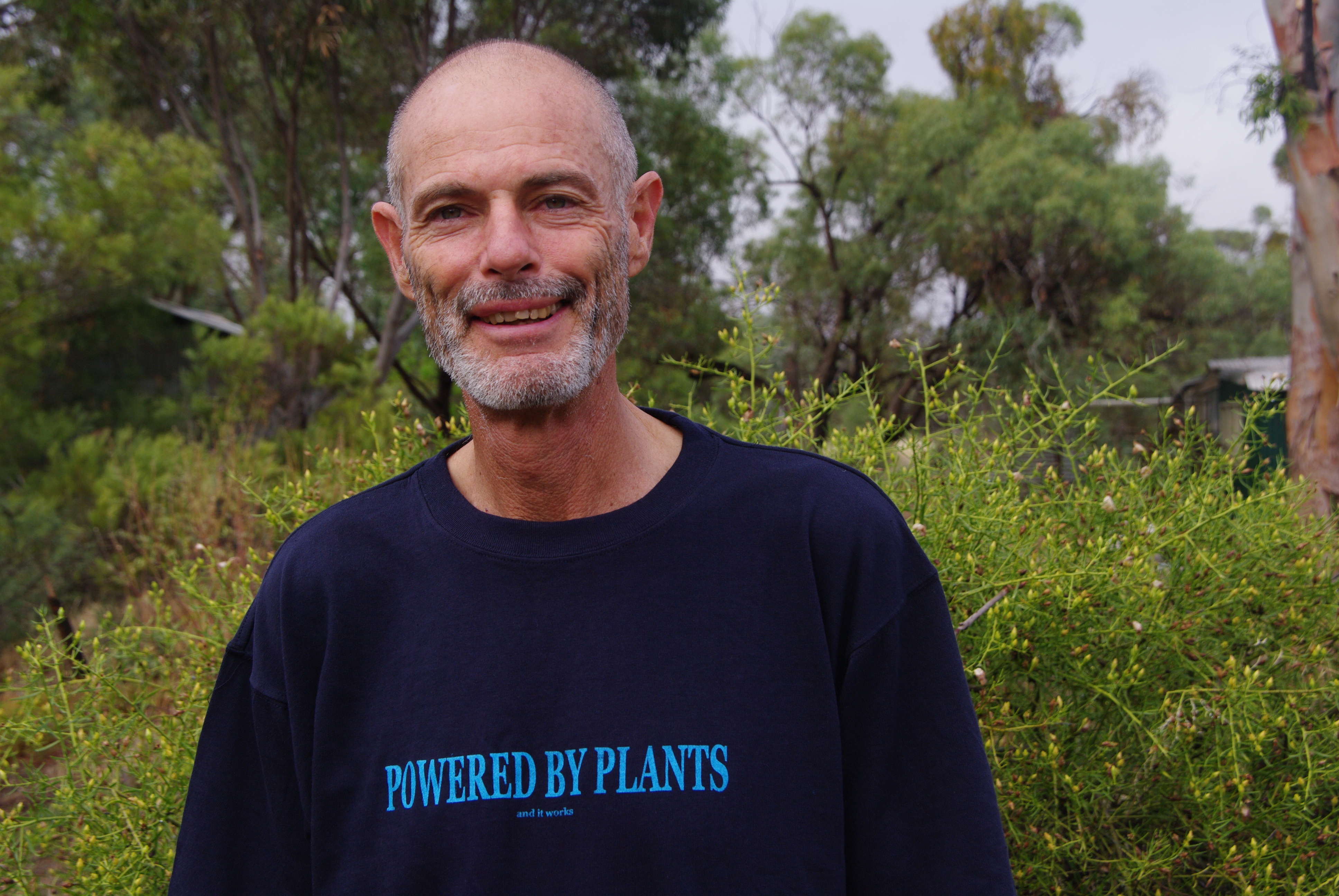
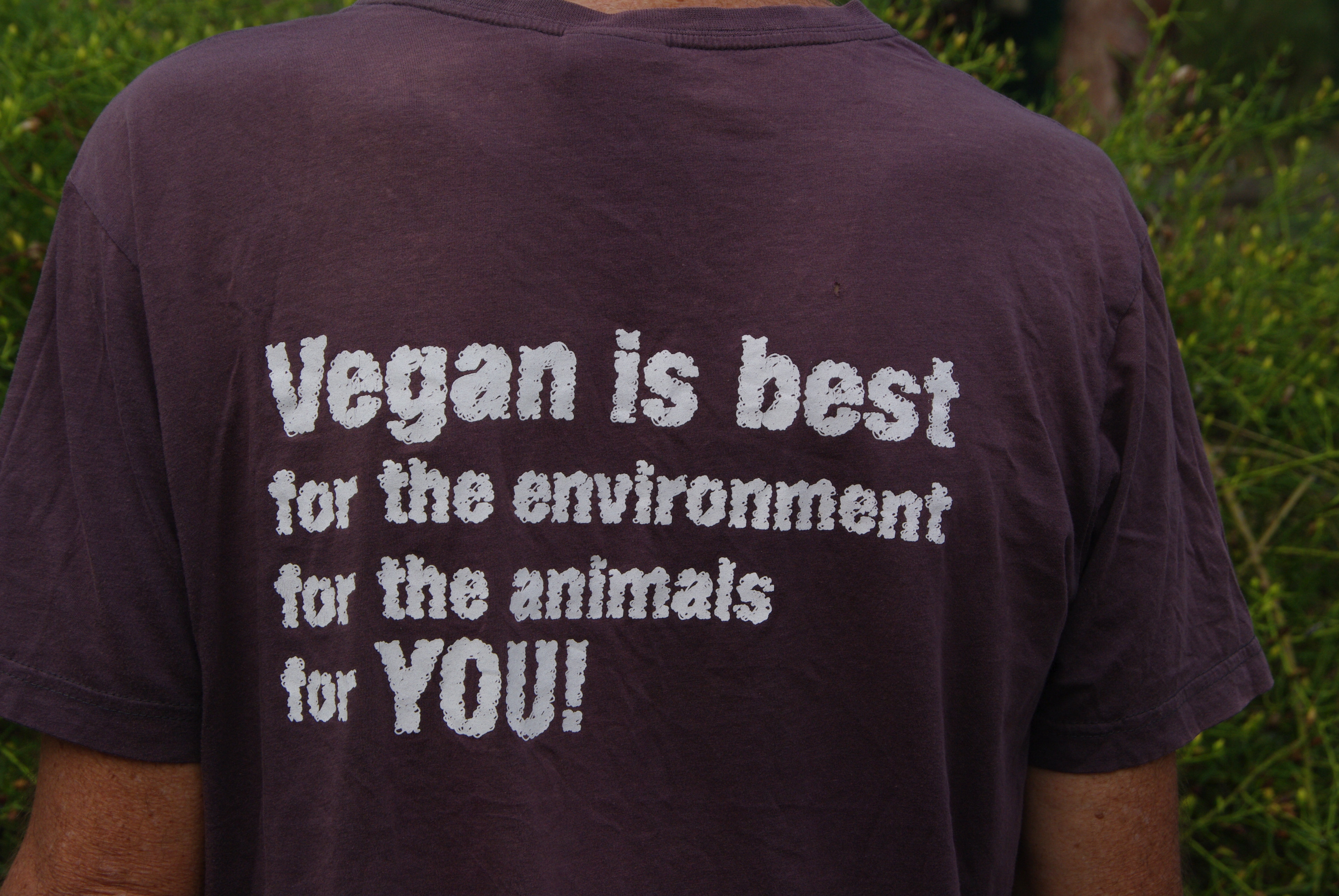

 Gaz
Gaz